Why Immersive Storytelling is the Key to Engaging VR Experiences


Understanding Immersive Storytelling
Immersive storytelling is a transformative approach that has become essential in creating engaging virtual reality (VR) experiences. By crafting narratives that fully envelop the user, creators can transport audiences to unparalleled realms of imagination and interaction. The key lies in integrating compelling storylines with the sensory-rich capabilities of VR technology.
Unlike traditional storytelling, immersive narratives place the user at the center of the action. This active participation creates a more personal and emotionally impactful experience. As users navigate these virtual environments, they become integral parts of the storyline, influencing the outcome and deepening their connection to the content.

The Role of Interactivity in VR
Interactivity is the cornerstone of engaging VR experiences. It allows users to make choices that can alter the course of the story, providing a sense of agency and control. This level of engagement is crucial because it transforms passive viewers into active participants.
By incorporating interactivity, creators can design branching narratives that offer multiple paths and outcomes. This not only enhances replayability but also encourages users to explore different facets of the story, thereby increasing their investment in the experience.
Creating a Believable World
A successful VR experience hinges on the creation of a believable world where users can lose themselves. This involves meticulous attention to detail in visual and auditory elements, as well as a coherent narrative structure. The more realistic and coherent the environment, the more immersive the experience becomes.
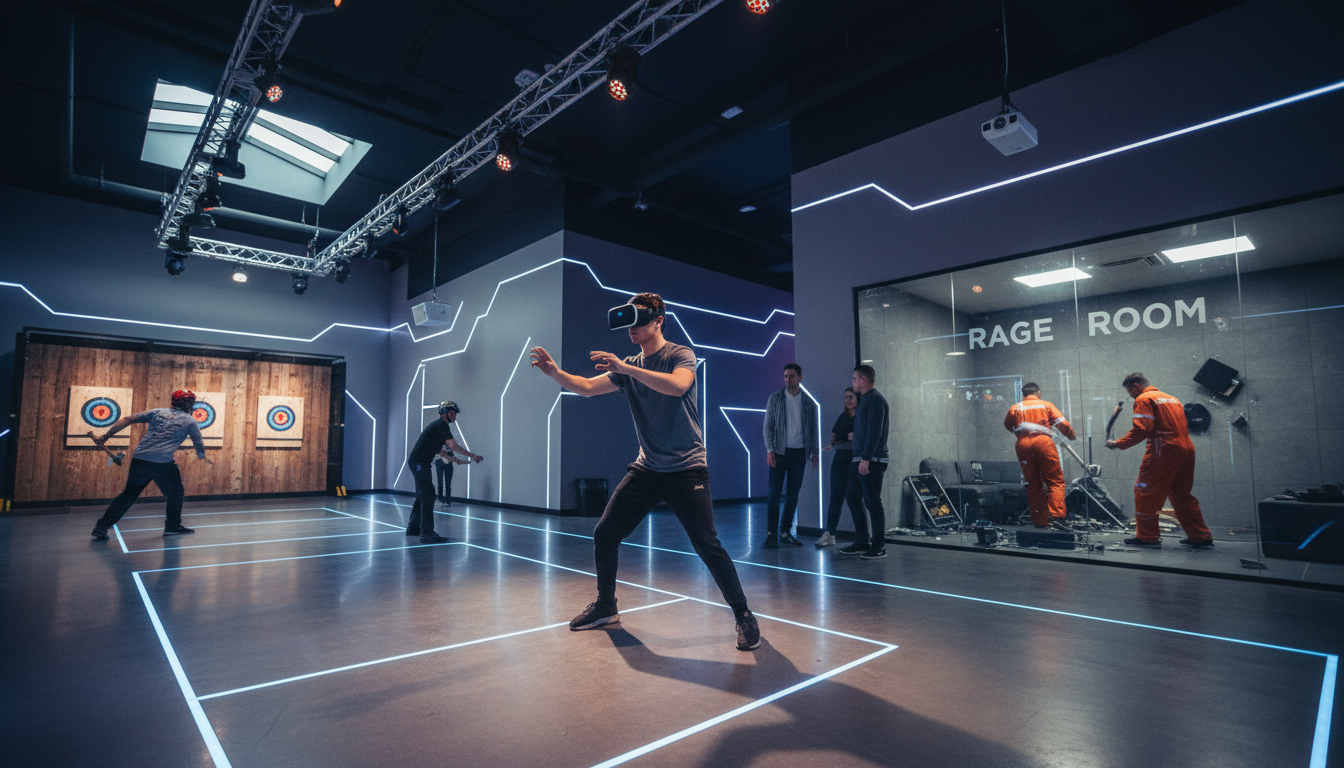
The Emotional Impact of Immersive Storytelling
Immersive storytelling in VR can evoke powerful emotional responses. By engaging multiple senses, VR can create a deep sense of empathy and connection. This emotional engagement is vital for creating memorable experiences that resonate with users long after they remove their headsets.
Stories that tap into universal themes such as love, loss, and triumph can have a profound impact when experienced in VR. This emotional depth is what sets immersive storytelling apart from other forms of media.
Challenges and Opportunities
Despite its potential, immersive storytelling in VR presents unique challenges. Developers must balance technical constraints with creative ambitions, ensuring that the technology enhances rather than detracts from the narrative. However, these challenges also present opportunities for innovation and growth in the industry.

The Future of VR Storytelling
The future of VR storytelling is bright, with advancements in technology paving the way for even more immersive and interactive experiences. As VR continues to evolve, the possibilities for storytelling will expand, offering creators new tools to captivate and engage audiences.
The integration of artificial intelligence and machine learning could further personalize experiences, adapting narratives based on user preferences and behaviors. This could lead to truly unique storytelling experiences tailored to individual users.
Conclusion
In conclusion, immersive storytelling is the key to unlocking the full potential of VR experiences. By placing users at the heart of the narrative and creating interactive, emotionally engaging worlds, creators can craft unforgettable experiences that captivate and inspire. As technology continues to advance, the future of immersive storytelling in VR looks more promising than ever.