VR Training Simulations: Revolutionizing Professional Development


The Rise of VR Training Simulations
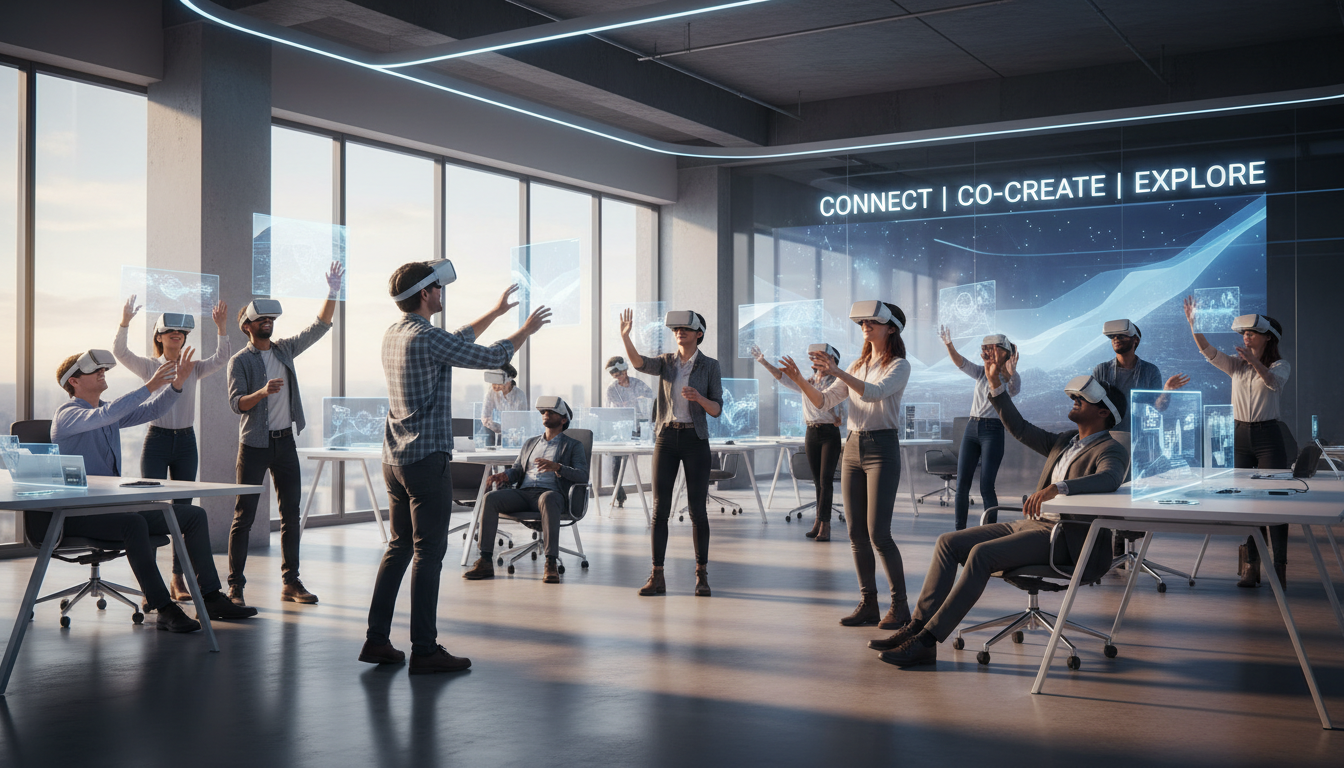
Virtual Reality (VR) training simulations are rapidly transforming the landscape of professional development across various industries. By providing immersive, hands-on experiences, VR enables employees to engage in realistic scenarios that enhance learning and retention. This technology is not only making training more effective but also more accessible.

Benefits of VR in Professional Training
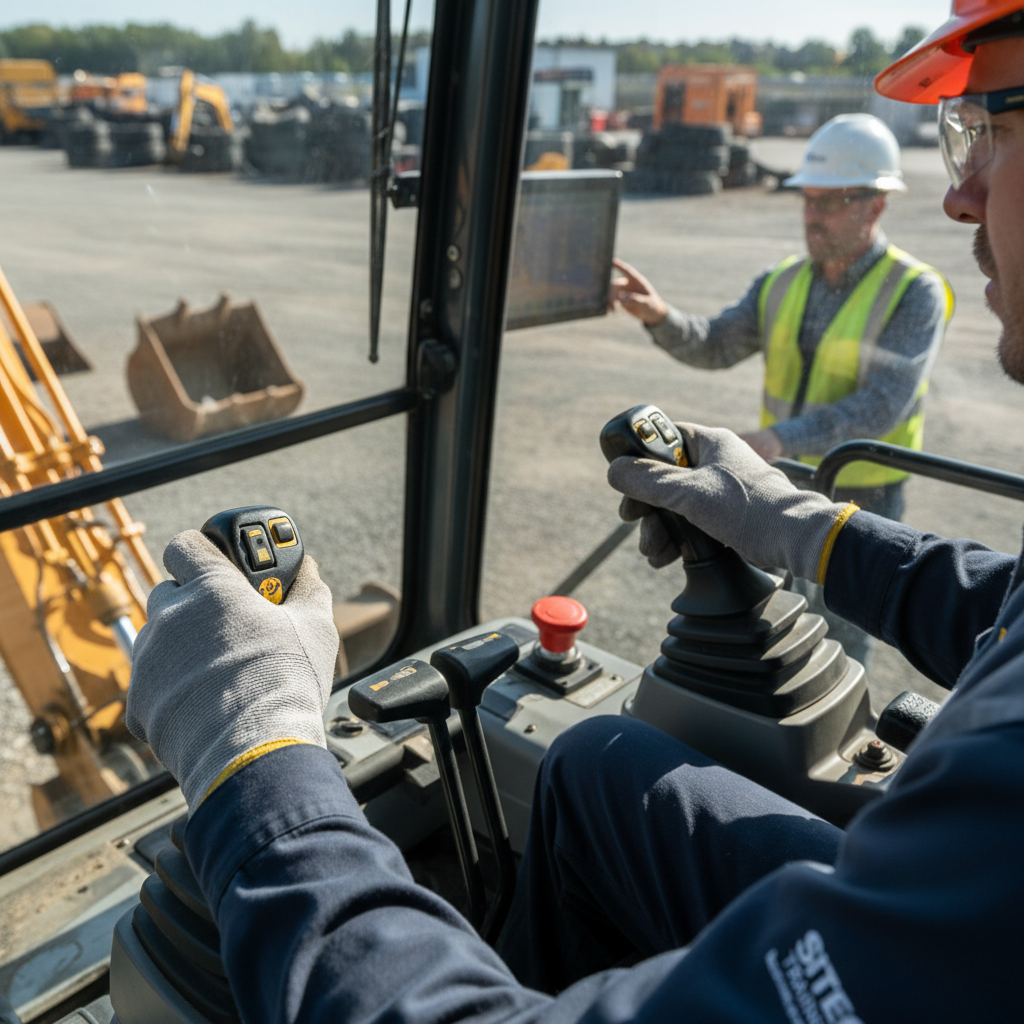
One of the primary advantages of VR training is its ability to create a safe environment for learning. Employees can practice complex procedures without the risk of real-world consequences. This is particularly valuable in fields such as healthcare, aviation, and manufacturing, where mistakes can be costly or dangerous.
Moreover, VR training simulations can be customized to fit the specific needs of a company. Whether it's a new software tool or a complicated machine, VR can replicate diverse scenarios, ensuring employees are well-prepared before facing real-world challenges.
Cost-Effectiveness and Accessibility
While the initial investment in VR technology might seem significant, the long-term benefits often outweigh the costs. VR reduces the need for physical materials and travel expenses associated with traditional training methods. Over time, companies can achieve substantial savings.
Furthermore, VR training is accessible to employees regardless of their location. This is particularly beneficial for global companies seeking to provide consistent training across different regions. Employees can participate in training sessions from the comfort of their own homes, reducing logistical challenges.

Improving Engagement and Retention
Traditional training methods can sometimes struggle to keep employees engaged. VR, however, offers an interactive and immersive experience that captures attention and boosts motivation. By allowing employees to actively participate in their learning, VR helps improve knowledge retention and skill acquisition.
Additionally, VR provides immediate feedback, enabling employees to learn from their mistakes in real time. This instant feedback loop is crucial for reinforcing learning and ensuring that employees can apply their skills effectively.
Implementation Challenges and Solutions
Despite its numerous benefits, implementing VR training simulations can come with challenges. Technical issues, such as software compatibility and hardware requirements, may arise. However, many companies are partnering with VR specialists to ensure smooth integration and effective use of the technology.
Training staff to use VR equipment efficiently is also essential. By investing in proper onboarding and support, companies can maximize the potential of VR training simulations and overcome initial hurdles.
The Future of VR Training
As VR technology continues to evolve, its applications in professional development are expected to expand. Innovations such as augmented reality (AR) and mixed reality (MR) are already beginning to complement VR, offering even more dynamic and versatile training solutions.
In conclusion, VR training simulations are revolutionizing professional development by providing interactive, customizable, and cost-effective solutions. As more industries recognize the value of this technology, its adoption is likely to grow, paving the way for a new era in employee training.