VR Training Simulations: Redefining Workplace Learning


Introduction to VR Training Simulations
Virtual Reality (VR) training simulations are rapidly transforming the landscape of workplace learning. By providing immersive, interactive environments, VR offers unparalleled opportunities for employees to acquire skills and knowledge efficiently. As technology continues to advance, companies across various industries are adopting VR to enhance their training programs.

The Benefits of VR in Workplace Learning
One of the primary advantages of VR training simulations is the ability to create realistic scenarios. This hands-on approach allows employees to practice and learn without the risks associated with real-life situations. For instance, medical professionals can perform virtual surgeries, pilots can fly virtual planes, and construction workers can navigate virtual sites.
Moreover, VR training is highly engaging, which can lead to improved retention rates. By immersing employees in a virtual world, they are more likely to remember the skills and information they acquire. Additionally, VR training can be tailored to individual learning speeds, making it more accessible to diverse learning styles.
Cost-Effectiveness and Efficiency
Implementing VR training can also be cost-effective in the long run. Although the initial investment may be significant, the savings on materials, travel, and other logistical expenses can be substantial. Companies can conduct training sessions virtually, eliminating the need for physical resources.

Furthermore, VR training simulations can streamline the learning process. Employees can access training modules at any time and from any location, reducing downtime and increasing productivity. This flexibility allows for more frequent training sessions, ensuring that employees stay updated with the latest skills and knowledge.
Enhancing Safety and Compliance
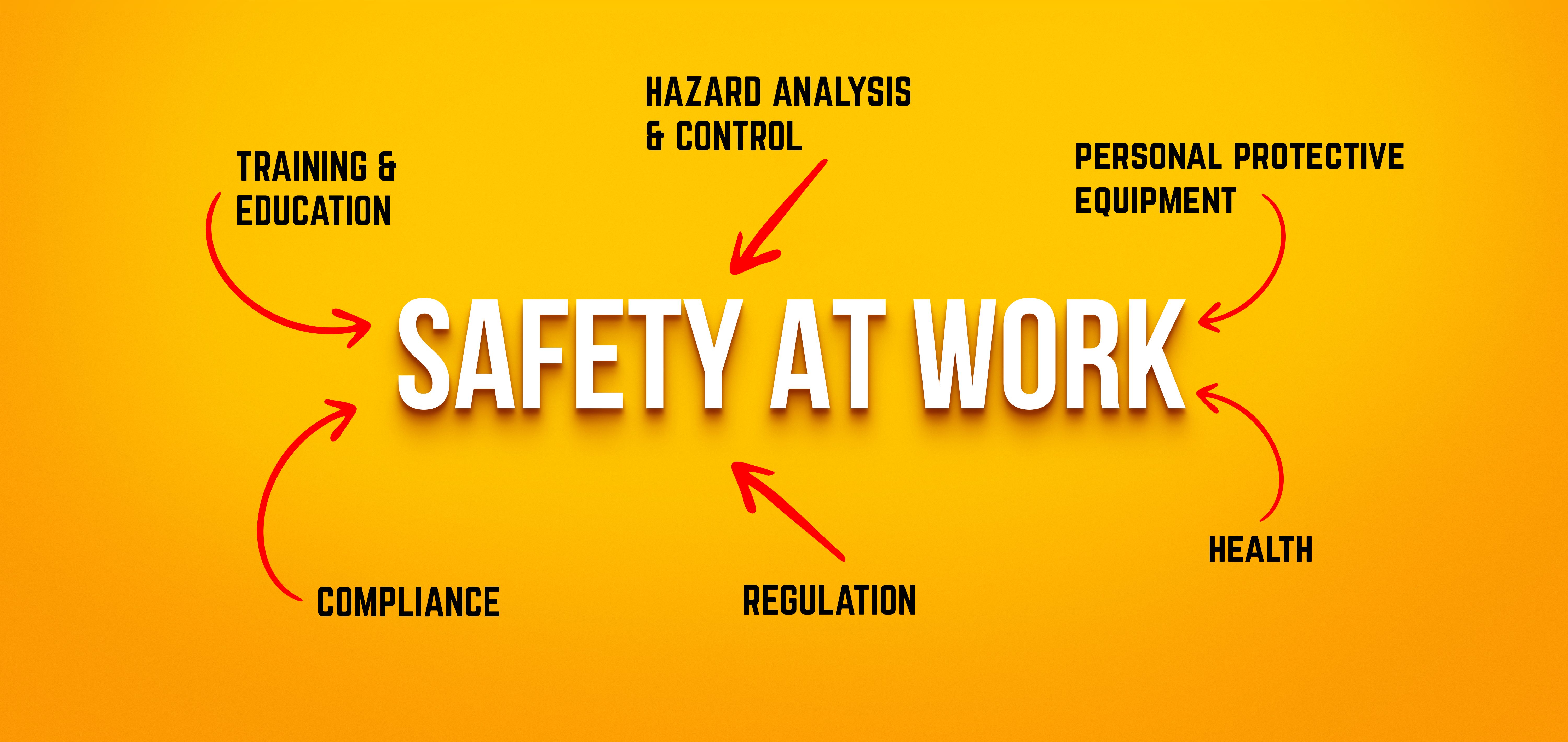
Safety training is crucial in industries such as construction, manufacturing, and healthcare. VR simulations can replicate hazardous situations, allowing employees to practice safety protocols without the risk of injury. This not only boosts confidence but also ensures compliance with industry regulations.
By simulating emergency scenarios, VR training helps employees develop quick decision-making skills, which are essential in critical situations. The ability to practice repeatedly in a controlled environment reinforces safe practices and boosts preparedness.
Challenges and Considerations
Despite its numerous benefits, VR training does come with challenges. The initial setup costs and the need for specialized equipment can be barriers for some organizations. Additionally, there may be a learning curve for both trainers and trainees unfamiliar with VR technology.
Organizations must also consider the content of their VR training modules. It is essential to ensure that simulations are accurate, relevant, and aligned with the company's learning objectives. Regular updates and maintenance are necessary to keep the training content current and effective.
The Future of VR in Workplace Learning
As technology evolves, the potential for VR training in the workplace will continue to grow. Innovations such as augmented reality (AR) and artificial intelligence (AI) are likely to enhance VR training experiences further. These advancements will offer even more personalized and adaptive learning solutions.
Ultimately, VR training simulations represent a significant shift in how companies approach employee development. By embracing this technology, organizations can foster a more skilled, confident, and adaptable workforce, ready to meet the challenges of the modern workplace.