The Role of Storytelling in Creating Unforgettable VR Experiences


The Power of Storytelling in Virtual Reality
Virtual Reality (VR) is revolutionizing the way we experience digital content. However, the true magic of VR lies in its ability to tell engaging stories. By weaving compelling narratives, creators can transform VR experiences into unforgettable adventures. Storytelling provides the emotional connection and context that can turn a simple virtual environment into a memorable journey.

Building Emotional Connections
At the heart of every great story is emotion. VR storytelling enables users to connect with characters and scenarios on a deeper level. Unlike traditional media, VR immerses users in the narrative, allowing them to feel as though they are part of the story. This emotional engagement is crucial for creating a lasting impact.
By using empathy-driven storytelling, creators can craft experiences that resonate with users. Whether it's joy, fear, or sadness, these emotions can be more vividly felt in a VR environment, making the experience more memorable.
Immersive World Building
Storytelling in VR is not just about characters and plot; it's also about creating a world that feels alive. Detailed world-building enhances the immersion, providing users with a rich environment to explore. This involves crafting every aspect, from the sights and sounds to the cultural and historical context of the virtual world.

One effective method is to use environmental storytelling, where the world itself tells a story. This can be achieved through visual cues, ambient sounds, and interactive elements that reveal deeper layers of the narrative.
Interactive Narratives
One of the key advantages of VR storytelling is interactivity. Users are not just passive observers; they become active participants in the story. This interaction can range from simple choices that affect the storyline to complex puzzles that require problem-solving skills.
- Branching storylines that lead to multiple endings.
- Interactive dialogue options that influence character relationships.
- Environmental interactions that unlock new story elements.

Challenges and Opportunities
While VR storytelling offers immense potential, it also presents unique challenges. Crafting a coherent narrative that works in a 360-degree space requires innovative thinking. Creators must ensure that users remain engaged and do not feel lost or overwhelmed by the virtual environment.
However, these challenges also present opportunities. By overcoming them, storytellers can push the boundaries of what is possible, creating experiences that are not only entertaining but also transformative.
The Future of VR Storytelling
As technology advances, the role of storytelling in VR will continue to evolve. With improvements in graphics, sound, and interactivity, the possibilities for more complex and engaging narratives are expanding. Future VR experiences will likely feature even more personalized and adaptive storytelling techniques.
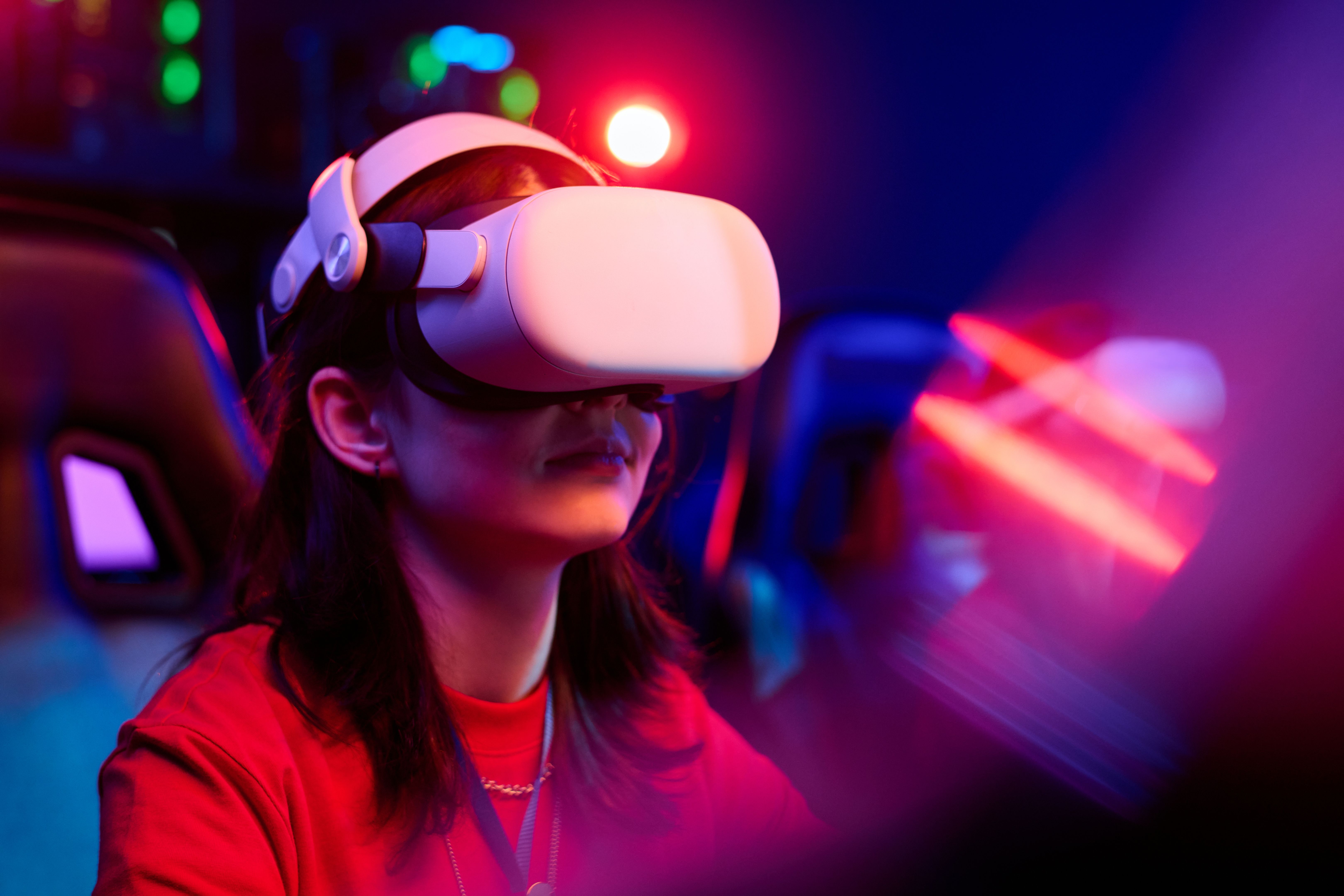
In conclusion, storytelling is a vital component in creating unforgettable VR experiences. By focusing on emotional connections, immersive world-building, and interactive narratives, creators can craft experiences that leave a lasting impression. As the medium continues to grow, the future of VR storytelling looks incredibly promising, offering endless possibilities for innovation and creativity.