The Future of VR Training Simulations: Enhancing Skills Through Immersion


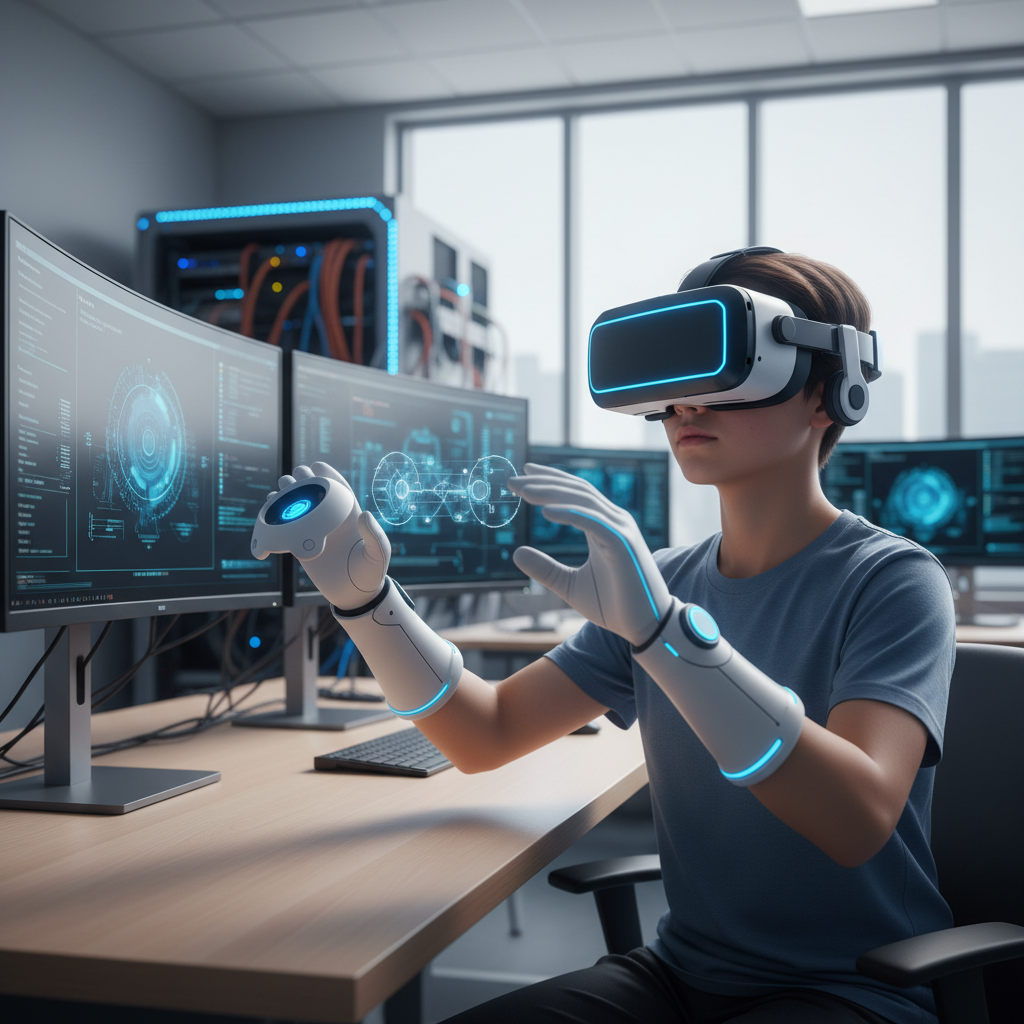
Virtual Reality (VR) training simulations are rapidly evolving, offering new opportunities for skill enhancement through immersive experiences. By placing users in lifelike scenarios, VR allows for a hands-on approach that traditional training methods often lack. As technology advances, the future of VR training is set to revolutionize how skills are taught and acquired across various sectors.

Transforming Traditional Training Methods
Traditional training often relies on theoretical knowledge and passive learning. However, VR simulations bring a more dynamic approach by providing a safe, controlled environment where individuals can practice and hone their skills. This method has proven particularly beneficial in fields such as medicine, aviation, and engineering, where hands-on experience is crucial.
In medical training, for instance, VR can simulate complex surgical procedures, allowing trainees to practice without the risk of harming real patients. Similarly, pilots can perfect their flying skills in virtual cockpits, experiencing various flight conditions without ever leaving the ground.
Advantages of VR Training Simulations
The benefits of VR training simulations extend beyond mere convenience. Here are some key advantages:
- Realistic practice: VR provides a realistic environment for users to engage in practical exercises.
- Immediate feedback: Users receive real-time feedback, enabling them to quickly correct mistakes and improve their skills.
- Cost-effective: Reduces the need for physical materials and resources, saving both time and money.
Enhancing Skill Retention and Engagement
One of the most significant benefits of VR training is its ability to enhance skill retention and engagement. By immersing users in interactive scenarios, VR captures their attention and encourages active participation. Studies have shown that immersive learning experiences can lead to better retention rates compared to traditional methods.
Furthermore, VR training can be tailored to individual learning paces, ensuring that each participant fully grasps the material before moving on to more advanced tasks. This personalized approach helps build confidence and competence.
The Role of AI in VR Training
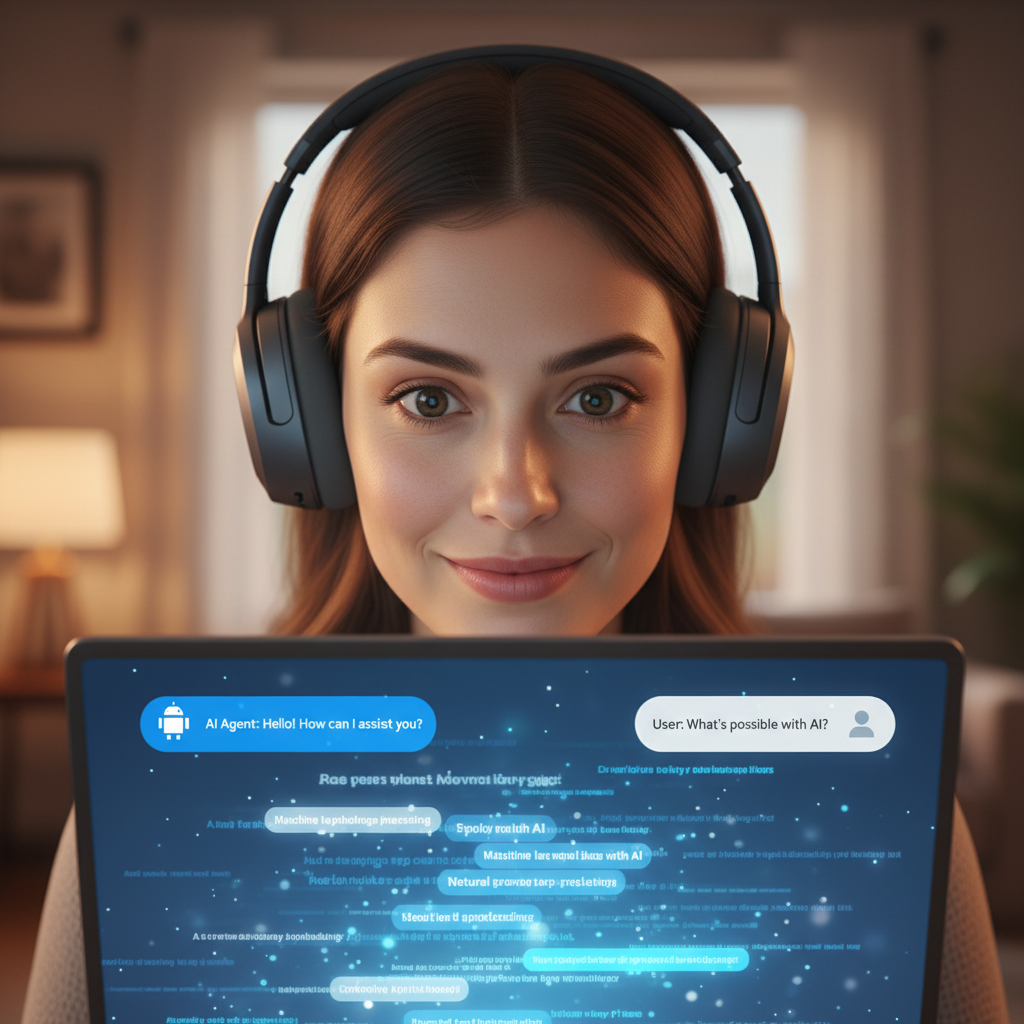
Artificial Intelligence (AI) plays a crucial role in the development of VR training simulations. By integrating AI, VR platforms can adapt to users' learning curves, offering customized challenges that match their progress. This integration ensures that the training remains relevant and effective for each user.
Moreover, AI can analyze user performance, providing valuable insights into their strengths and areas for improvement. This data-driven approach allows for continuous refinement of training programs, leading to better outcomes.
Challenges and the Road Ahead
While the future of VR training is promising, challenges remain. High development costs and the need for specialized equipment can be barriers for some organizations. However, as technology becomes more accessible and affordable, these obstacles are likely to diminish.
Looking ahead, ongoing advancements in VR technology will continue to enhance its capabilities, making training simulations even more effective. The potential applications are vast, with opportunities to explore new fields and expand existing ones.
In conclusion, VR training simulations hold immense promise for the future of education and skill development. By offering immersive, personalized, and engaging experiences, they are set to transform how we learn and grow in both personal and professional capacities.