The Future of VR in Classrooms: A Case Study on VRcore Education UK


Introduction to VR in Education
The integration of Virtual Reality (VR) in classrooms is revolutionizing the way students learn and interact with educational content. As technology continues to advance, educators are exploring innovative methods to enhance learning experiences. One leading company in this field is VRcore Education UK, which is setting new standards for VR applications in education.
VRcore Education UK: A Pioneer in Educational VR
VRcore Education UK has emerged as a pioneering organization in the realm of educational VR. By developing immersive learning environments, they have transformed traditional teaching methods. Their VR modules cover a wide range of subjects, offering students a unique way to engage with content that goes beyond textbooks and lectures.
Their approach involves creating interactive simulations that allow students to explore complex concepts through a hands-on experience. This method not only enhances understanding but also increases retention rates among students.
Benefits of VR in the Classroom
There are several key benefits to implementing VR in educational settings:
- Enhanced Engagement: VR captures students' attention, making learning more engaging and enjoyable.
- Improved Understanding: Complex subjects become easier to grasp through visual and interactive content.
- Safe Learning Environment: Students can experiment and explore without real-world risks.
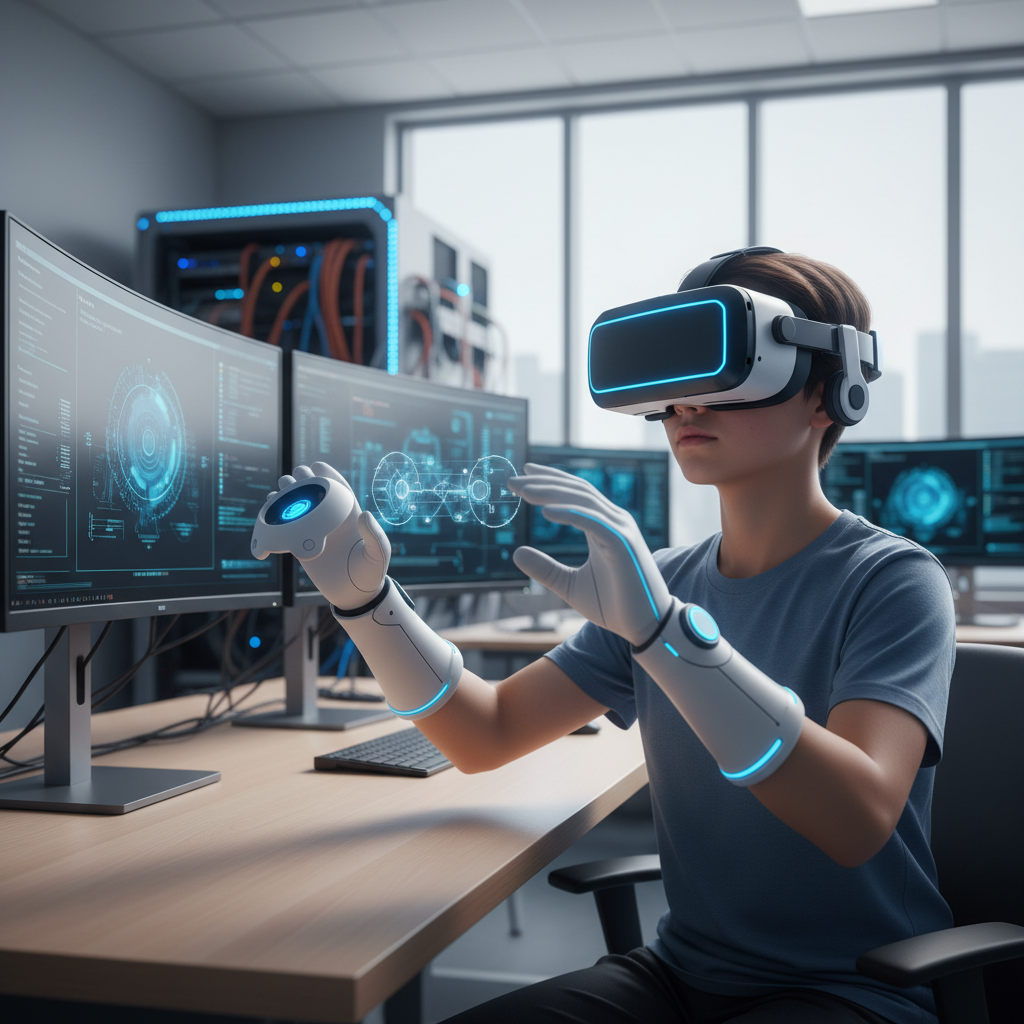
Case Study: VRcore's Impact on Learning
A recent case study conducted by VRcore Education UK showcased significant improvements in student performance. Schools that adopted VRcore's technology reported a noticeable increase in student participation and enthusiasm. Furthermore, teachers observed that students were able to understand difficult concepts more quickly.
One example highlighted in the study involved a history class using VR to explore ancient civilizations. Students donned VR headsets and were transported to historical sites, where they could interact with the environment and artifacts. This immersive experience made history come alive for them, fostering a deeper connection to the subject.
Challenges and Considerations
While the benefits of VR in education are clear, there are also challenges to consider. The cost of implementing VR technology can be a barrier for some schools. Additionally, teachers need proper training to effectively integrate VR into their curriculum.
Despite these challenges, the potential for VR to transform education is immense. As technology becomes more affordable and accessible, it's likely that more schools will adopt VR as a standard educational tool.
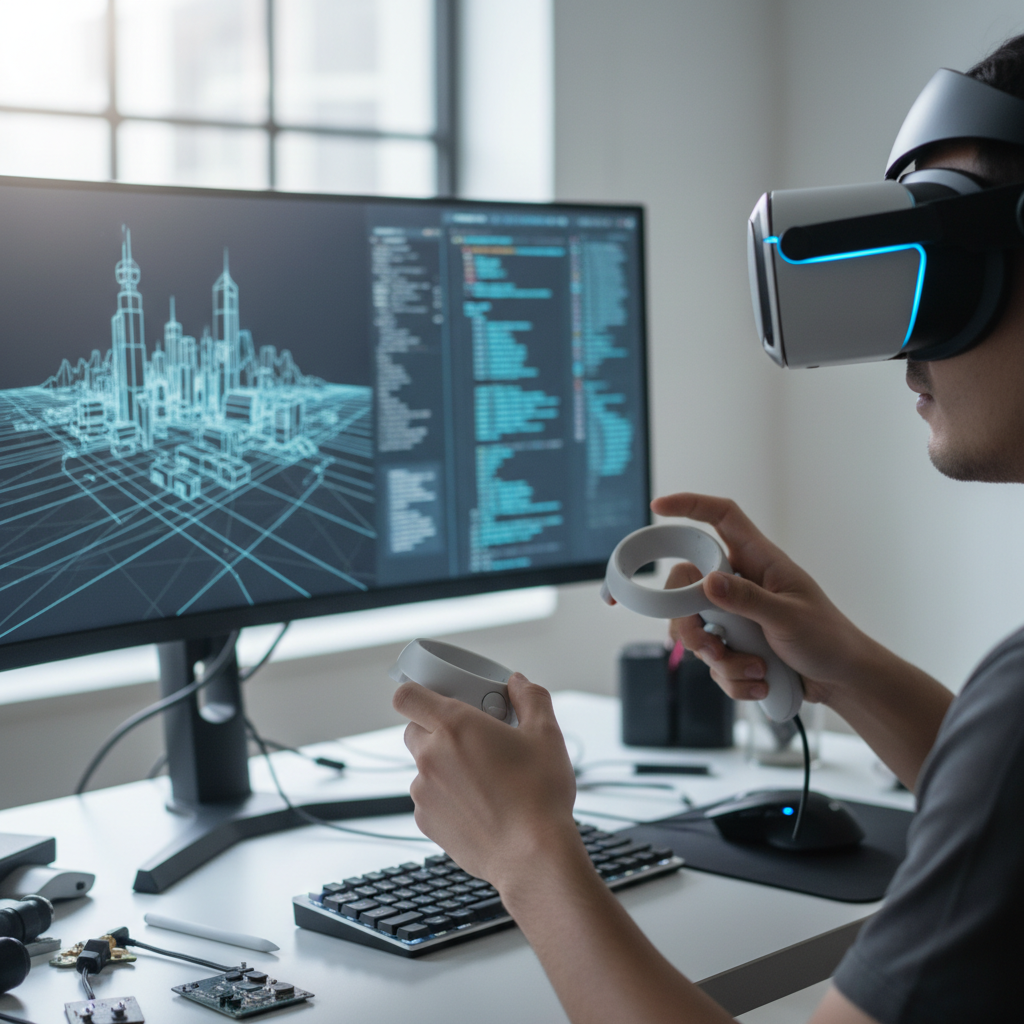
The Future of VR in Classrooms
The future of VR in education looks promising. As VRcore Education UK continues to innovate, they are expanding their offerings to include more subjects and tailored experiences for different age groups. The company envisions a future where VR is a staple in classrooms worldwide, providing students with unparalleled learning opportunities.
With ongoing advancements in VR technology, the possibilities are endless. From virtual field trips to interactive laboratory experiments, VR is poised to redefine the educational landscape.
Conclusion
VRcore Education UK is at the forefront of transforming education through VR. Their commitment to enhancing learning experiences is paving the way for a new era in education. As schools and educators embrace this technology, the potential to inspire and educate future generations is limitless.
Investing in VR technology today could very well shape the innovators and leaders of tomorrow.