The Future of Virtual Reality Development Studios: Trends to Watch


Virtual reality (VR) development studios are at the forefront of a technological revolution, poised to redefine how we interact with digital worlds. As technology evolves, these studios are continually adapting to new trends and advancements. In this blog post, we'll explore some of the key trends shaping the future of VR development studios.
Enhanced Immersion Through Advanced Hardware
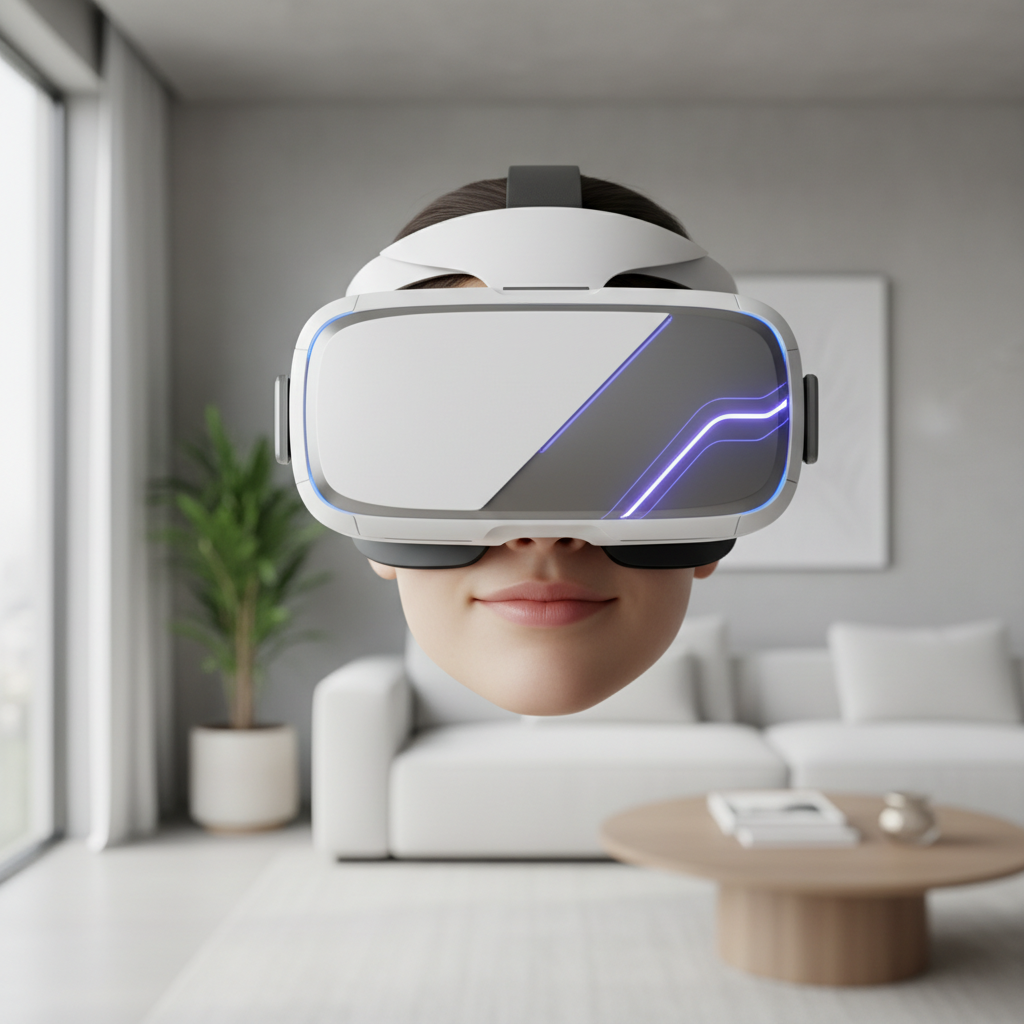
One of the most significant advancements in VR technology is the development of more sophisticated hardware. Headsets are becoming lighter, more comfortable, and capable of delivering higher resolutions and refresh rates. This enhanced hardware allows for a more immersive experience, making users feel as if they are genuinely part of the virtual environment.
Developers are also exploring haptic feedback technology, which allows users to feel sensations such as touch and movement within the virtual world. This technology is expected to become more prevalent, providing an even deeper level of immersion.
The Rise of Social VR
Social VR platforms are gaining traction, allowing users to interact with each other in virtual spaces. These platforms facilitate social interaction in ways that traditional online communication cannot, offering a sense of presence and shared experience.

As VR development studios continue to innovate, we can expect to see more applications that focus on social interaction, such as virtual events, meetings, and collaborative workspaces. This shift is likely to change how we connect and communicate with others in the digital age.
Integration with Artificial Intelligence
Artificial intelligence (AI) is playing an increasingly important role in VR development. By integrating AI, developers can create more dynamic and responsive virtual environments. AI-driven characters can interact with users in a more natural and intuitive manner, enhancing the overall experience.
Moreover, AI can be used to analyze user behavior within VR environments, allowing developers to improve and personalize experiences based on data-driven insights.
Expanding Applications Beyond Gaming
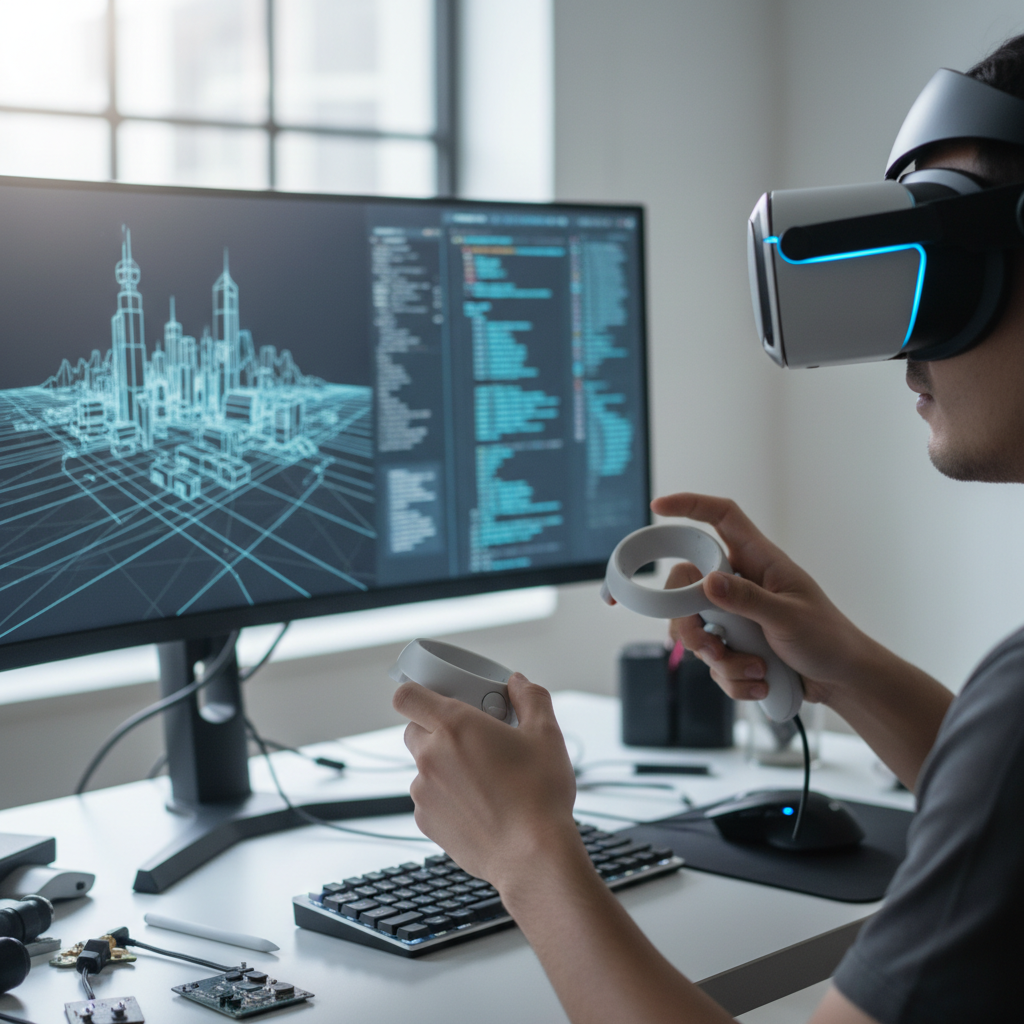
While gaming remains a dominant sector for VR, development studios are exploring a wide range of applications beyond entertainment. Industries such as healthcare, education, and real estate are beginning to harness the power of VR for training, therapy, virtual tours, and more.
The versatility of VR technology means that its applications are virtually limitless. As more industries discover the potential benefits of VR, development studios will likely see increased demand for customized solutions tailored to specific needs.
Cross-Platform Development
With the growing variety of VR devices, cross-platform development is becoming crucial. Studios are focusing on creating experiences that can seamlessly transition across different hardware, from high-end headsets to mobile devices. This ensures broader accessibility and reach for VR applications.
By adopting cross-platform strategies, development studios can maximize their audience and offer flexible solutions that cater to diverse users and their unique preferences.
Conclusion
The future of VR development studios is bright and full of potential. By staying ahead of these trends, studios can continue to innovate and deliver groundbreaking experiences that captivate and engage users. As technology continues to advance, the possibilities for virtual reality are truly endless.