The Future of Virtual Reality: Trends to Watch in Immersive Tech


Introduction to Virtual Reality
Virtual reality (VR) has rapidly evolved from a futuristic concept to a tangible technology that is transforming various industries. Its immersive nature allows users to experience environments and situations that were previously unimaginable. As VR technology continues to develop, several trends are emerging that promise to reshape how we interact with digital worlds.
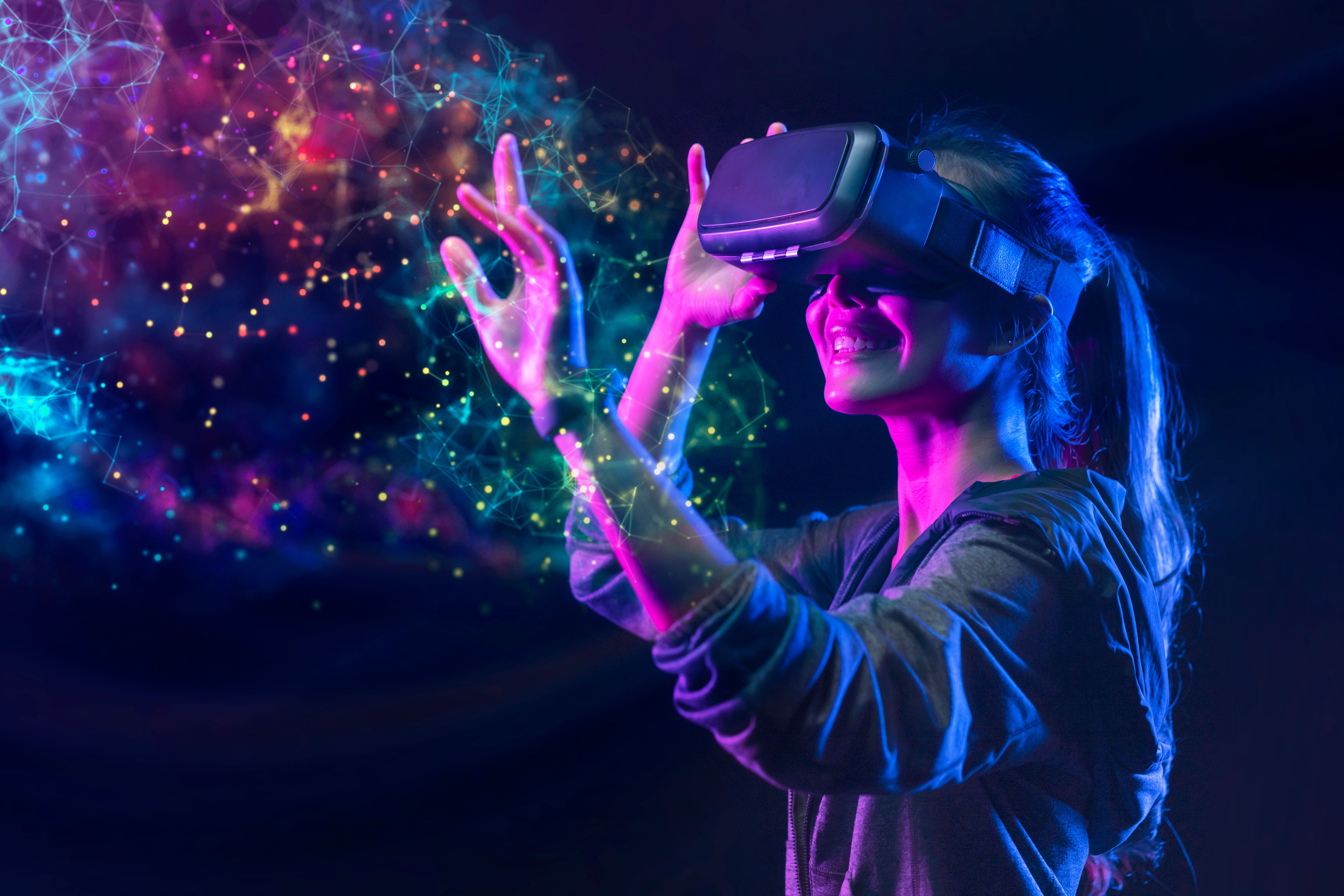
Advancements in Hardware
One of the most significant trends in virtual reality is the continuous improvement in hardware. VR headsets are becoming more affordable and accessible, with companies focusing on enhancing comfort and reducing latency. Wireless technology is also gaining traction, allowing users greater freedom of movement.
In addition to headsets, other peripherals like haptic gloves and motion trackers are becoming more sophisticated, providing a more comprehensive sensory experience. These advancements are paving the way for more immersive and realistic interactions.
Standalone VR Devices
Standalone VR devices are becoming increasingly popular. Unlike traditional systems, these devices do not require a connection to a powerful PC or gaming console. This trend is making VR more accessible to a broader audience, as it eliminates the need for expensive hardware.
Software and Content Innovation
As the hardware improves, so does the software. Developers are creating more engaging and interactive VR content that spans various genres, from gaming to education and training. This content is crucial in driving the adoption of VR technology across different sectors.

AI and Virtual Reality
Artificial intelligence (AI) is playing a pivotal role in enhancing VR experiences. By integrating AI, developers can create more responsive and personalized environments. AI-powered characters can interact with users in more natural and intuitive ways, making virtual worlds feel more alive.
Applications Across Industries
Virtual reality is no longer confined to the gaming industry. Its applications are expanding into fields such as healthcare, real estate, and education. For instance, VR is being used for medical training, allowing students to practice procedures in a risk-free environment.
In real estate, potential buyers can take virtual tours of properties from anywhere in the world, saving time and resources. Educational institutions are using VR to create immersive learning experiences that enhance student engagement.

Social VR and Collaboration
Social VR platforms are gaining popularity, allowing users to connect and interact in virtual spaces. These platforms enable collaboration and communication in ways that traditional methods cannot match. Businesses are also leveraging VR for remote meetings and team-building exercises.
Challenges and Future Prospects
Despite its potential, VR still faces challenges such as motion sickness and the need for more content. However, as technology progresses, these issues are being addressed. The future of VR looks promising, with continuous innovation driving its growth.
The integration of VR with other emerging technologies, such as augmented reality and the Internet of Things, is set to further enhance its capabilities. As these technologies converge, the possibilities for creating truly immersive digital experiences are endless.