The Evolution of VR in the UK: Trends and Innovations


Introduction to VR in the UK
Virtual Reality (VR) has come a long way since its inception, evolving from a niche technology into a mainstream phenomenon. The UK, in particular, has seen a remarkable transformation in the VR landscape, driven by technological advancements and increasing consumer interest. This post explores the significant trends and innovations that have shaped the VR industry in the UK.
Early Days of VR
In the early days, VR in the UK was primarily associated with gaming and entertainment. The technology was viewed as a futuristic concept, often limited by high costs and technical constraints. However, as the technology matured, several industries began to explore its potential beyond gaming.
The affordability of VR headsets and the rise of powerful computing systems paved the way for broader applications. Companies started to experiment with VR in fields such as education, healthcare, and real estate, marking the beginning of a new era.
The Role of Innovation
Innovation has been a key driver of VR's evolution in the UK. From improved hardware designs to sophisticated software solutions, numerous technological advancements have contributed to the growth of VR. Companies have developed immersive experiences that engage users like never before, utilizing motion tracking, haptic feedback, and high-resolution displays.
Key Trends in UK VR Market
Several trends have emerged in the UK VR market, reflecting the dynamic and ever-evolving nature of the industry. One significant trend is the increased use of VR in training and simulation. Organizations are leveraging VR to create realistic training environments for employees, enhancing learning outcomes and safety.
Another trend is the integration of VR with augmented reality (AR) to create mixed reality experiences. This fusion allows for more interactive and engaging content, expanding the possibilities for businesses and consumers alike.
VR in Education and Healthcare
Education and healthcare have been two sectors that have embraced VR technology wholeheartedly. In education, VR is being used to create immersive learning experiences, enabling students to explore complex subjects in a more interactive way. Virtual field trips and historical recreations are just some examples of VR's impact on education.
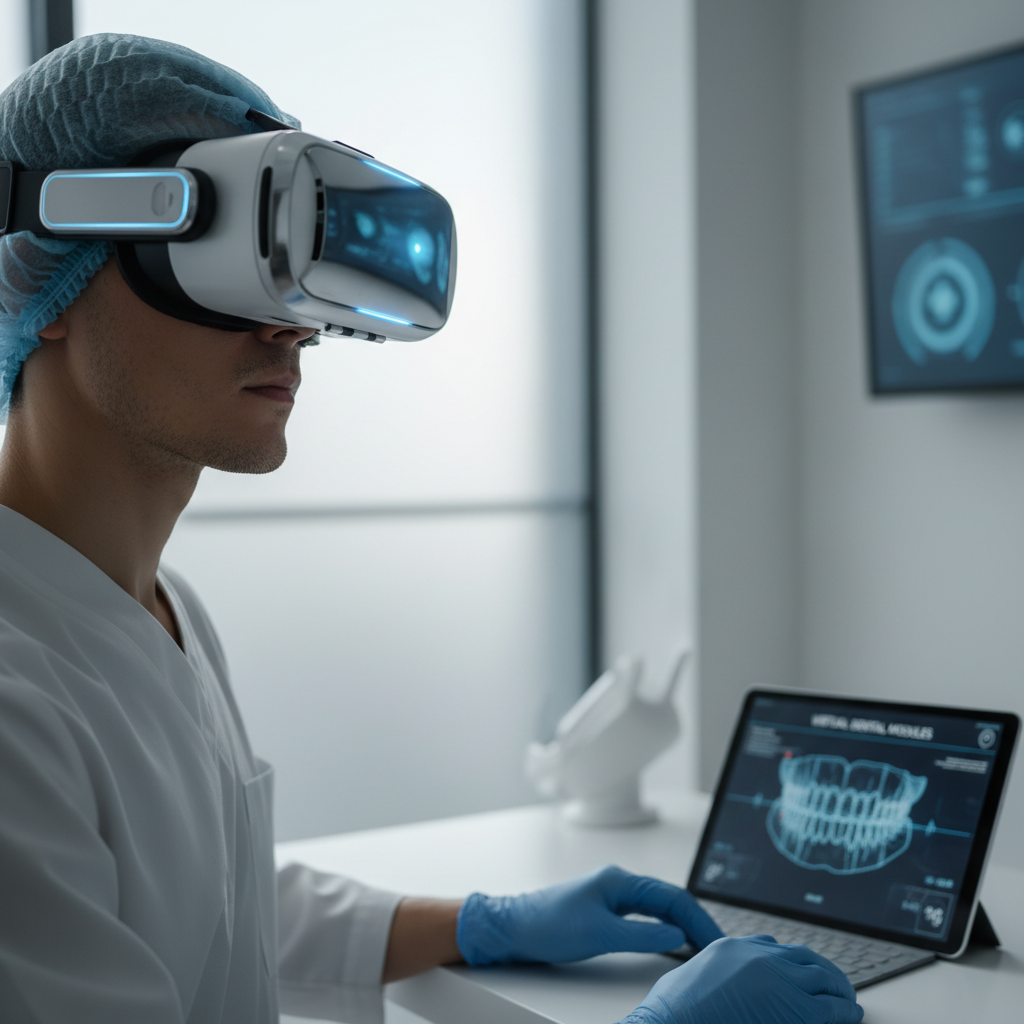
In healthcare, VR is transforming patient care and medical training. Surgeons use VR simulations for practice, while patients benefit from VR-based therapies that aid in pain management and mental health treatment. These applications demonstrate VR's potential to significantly improve quality of life.
The Future of VR in the UK
As VR technology continues to evolve, the future looks promising for its application across various sectors in the UK. The ongoing development of 5G networks is expected to enhance VR experiences by providing faster and more reliable connectivity. This will likely lead to even more innovative applications and broader adoption.
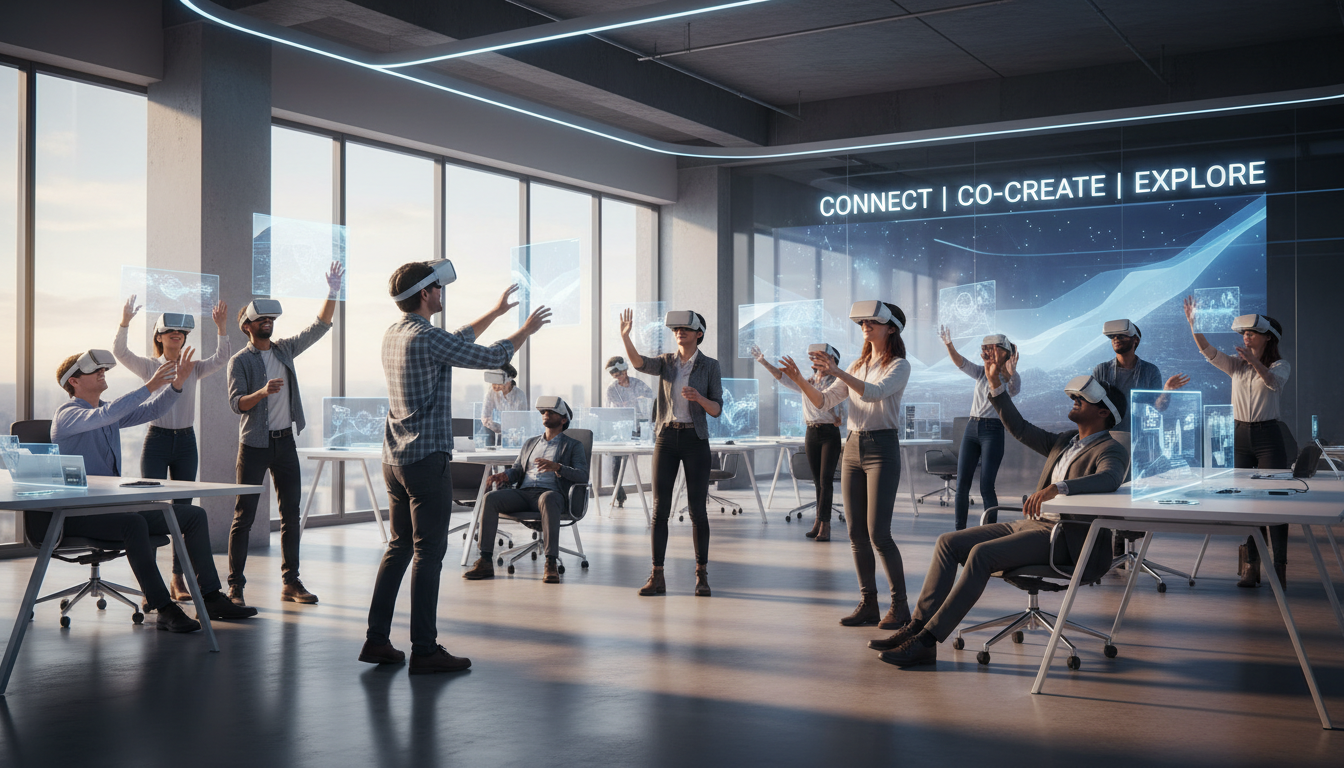
Furthermore, the rise of social VR platforms hints at a future where virtual interactions become a norm, redefining how people connect and communicate. The UK is poised to be a leader in this space, thanks to its robust tech ecosystem and forward-thinking approach.
In conclusion, the evolution of VR in the UK is a testament to the power of innovation and adaptability. As the technology continues to advance, its impact on society and various industries is bound to grow, offering exciting opportunities for businesses and consumers alike.