The Evolution of 360-Degree Video Production Services in the UK


The landscape of 360-degree video production services in the UK has undergone significant transformation over the past decade. As technology advances and consumer demand for immersive experiences grows, businesses have embraced 360-degree videos as a powerful tool for engagement and storytelling.
The Rise of 360-Degree Video
Initially, 360-degree video production was a niche market, largely limited to tech enthusiasts and experimental filmmakers. However, with the advent of affordable and accessible technology, its popularity has soared. Today, brands across various industries are leveraging this format to create engaging content that captures the viewer's attention.
One of the key factors driving this rise is the increased availability of VR headsets and smartphones capable of supporting 360-degree playback. This has made it easier for audiences to experience these videos in an immersive way, enhancing the overall impact.

Technological Advancements
The evolution of camera technology has been pivotal in the growth of 360-degree video production. Modern cameras are now equipped with features that enable higher resolution, improved stabilization, and seamless stitching of footage. These advancements have significantly reduced the barriers to entry for content creators.
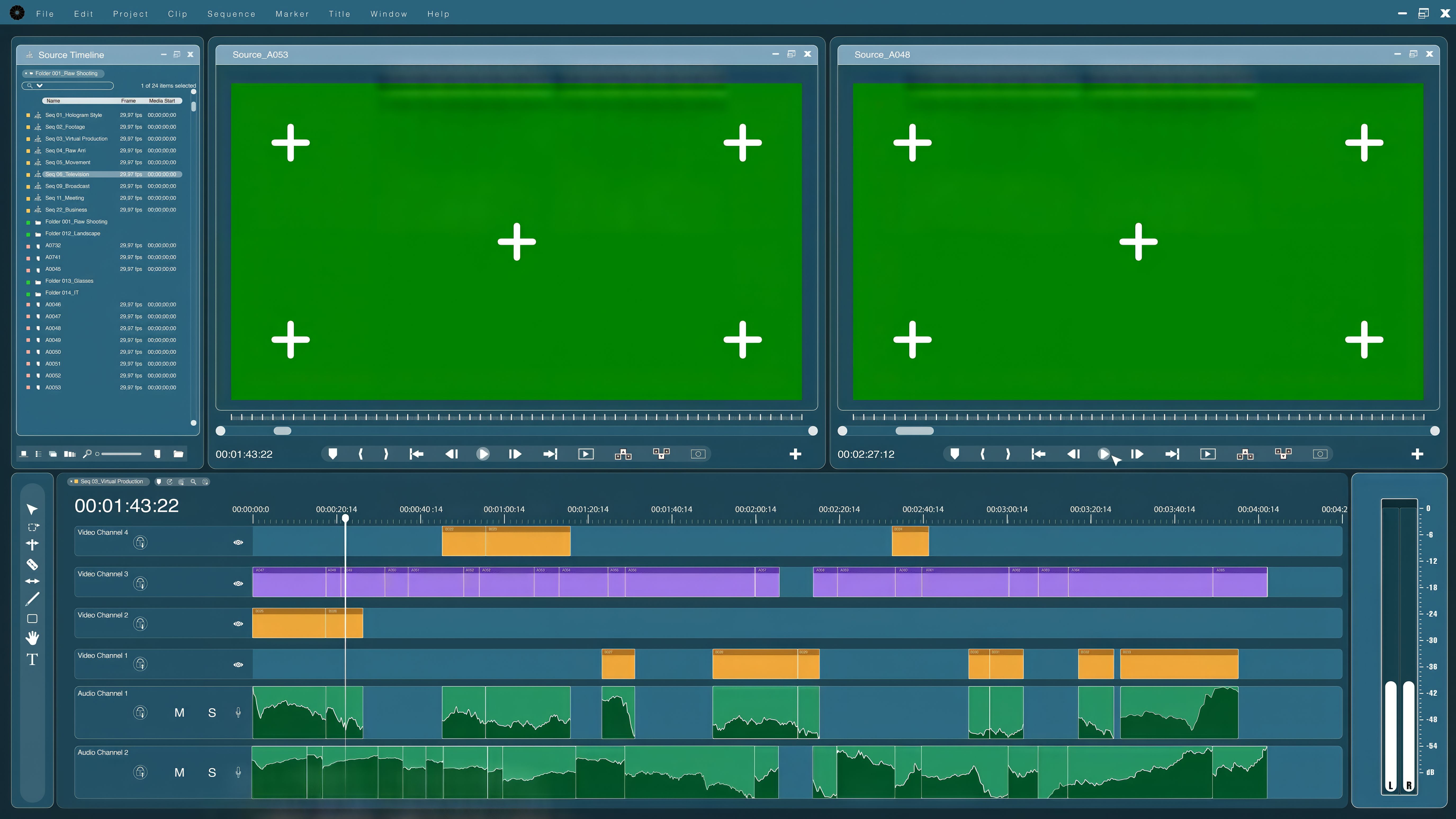
Additionally, software advancements have streamlined the editing process, allowing for more sophisticated post-production work. This has opened up new possibilities for creative storytelling, enabling producers to craft compelling narratives that were previously unimaginable.
Diverse Applications
The versatility of 360-degree video has led to its adoption across various sectors. From virtual tours and real estate showcases to educational content and live events, the applications are vast and varied. Businesses are increasingly using 360-degree videos to provide potential customers with a more immersive and engaging experience.
- Tourism: Virtual tours of destinations and attractions.
- Retail: Interactive shopping experiences.
- Education: Immersive learning environments.
- Healthcare: Training simulations for medical professionals.

Challenges and Considerations
Despite its many benefits, 360-degree video production is not without challenges. Creating high-quality content requires careful planning and attention to detail, particularly in areas such as lighting, camera placement, and sound. Additionally, the file sizes can be substantial, necessitating robust storage solutions and bandwidth for distribution.
Producers must also consider the user experience. Ensuring that the content is engaging and interactive without being overwhelming is crucial to maintaining viewer interest and achieving the desired impact.
Future Prospects
Looking ahead, the future of 360-degree video production in the UK appears bright. As technology continues to evolve and user experiences become more seamless, the demand for immersive content is expected to grow. This presents exciting opportunities for businesses and content creators to innovate and expand their reach.
With the ongoing development of augmented reality (AR) and mixed reality (MR) technologies, the potential for even more dynamic and interactive 360-degree experiences is vast. This will likely drive further investment and experimentation in the field.

Conclusion
In conclusion, the evolution of 360-degree video production services in the UK reflects a broader trend towards immersive and interactive content. As technology continues to advance, these videos are poised to become an essential component of modern digital marketing strategies. For businesses looking to stay ahead of the curve, investing in 360-degree video production could be a game-changer.