The Educational Impact of VR: Benefits and Case Studies from VRcore


Introduction to VR in Education
Virtual Reality (VR) technology has rapidly evolved, presenting new opportunities in various sectors, including education. Its immersive nature makes it a powerful tool for enhancing learning experiences. This article explores the educational impact of VR, highlighting its benefits and showcasing case studies from VRcore.
Benefits of VR in the Classroom
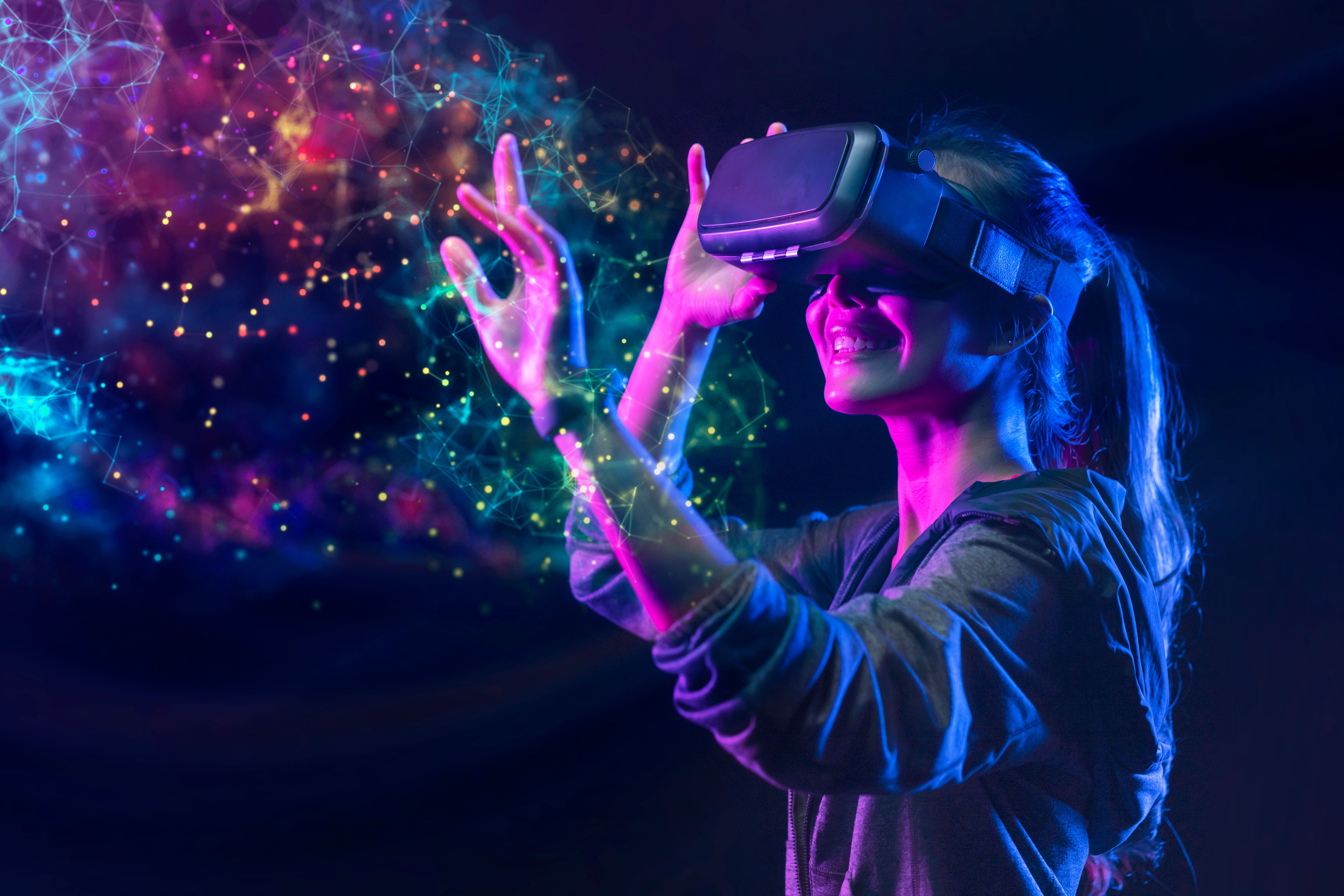
VR offers a range of benefits that can transform traditional learning environments. Firstly, it provides immersive experiences, allowing students to explore environments and scenarios that are otherwise inaccessible. This can lead to a deeper understanding of complex subjects.
Another significant advantage is the ability to cater to different learning styles. Visual and kinesthetic learners, in particular, can benefit from the interactive and engaging nature of VR content. This adaptability can lead to improved retention and comprehension.
Enhancing Engagement and Motivation
One of the most remarkable impacts of VR is its ability to engage and motivate students. By turning abstract concepts into tangible experiences, VR can spark interest and curiosity, making learning more enjoyable and effective.
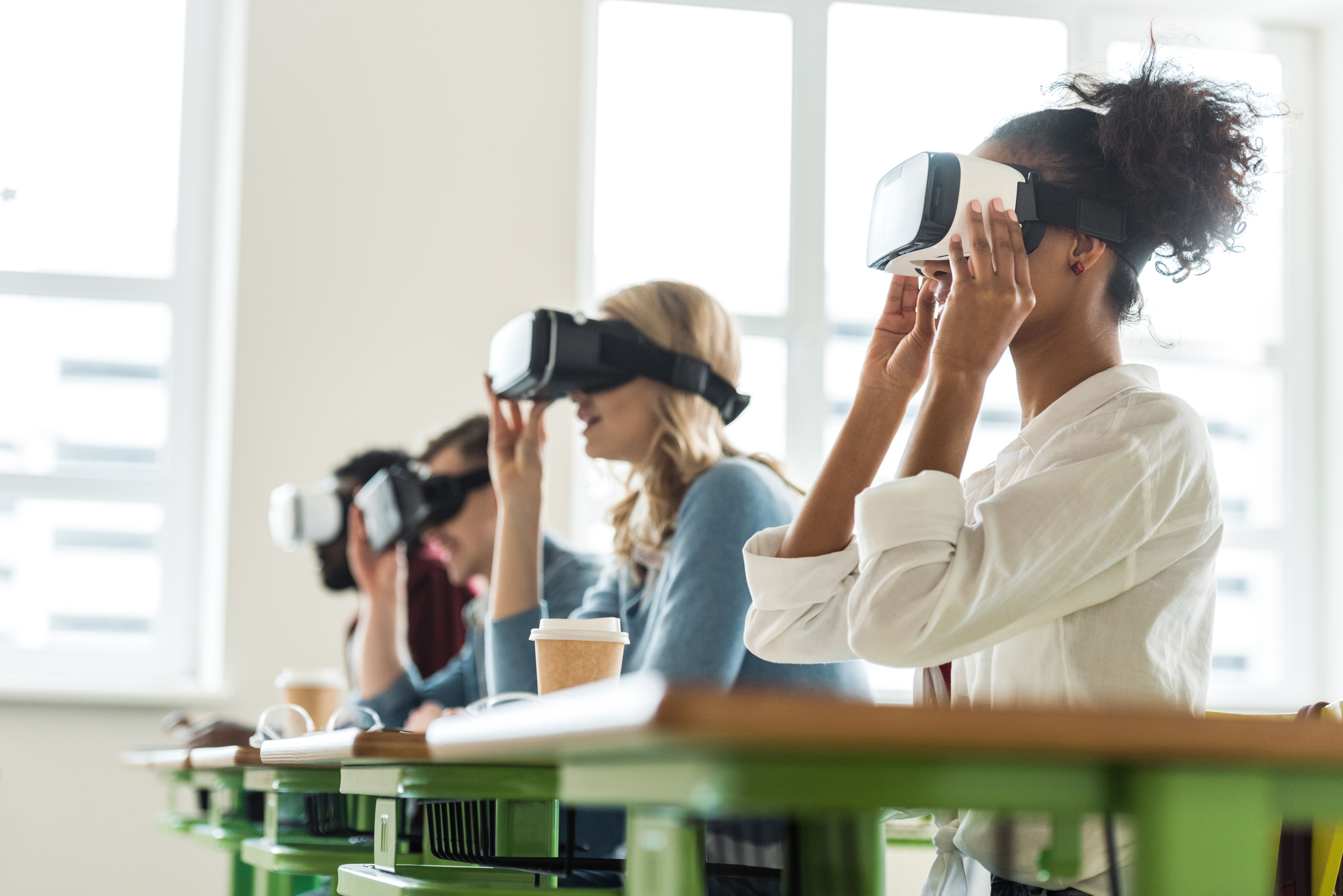
Additionally, VR can simulate real-world scenarios, providing students with practical skills and experience. From virtual science labs to historical reconstructions, the possibilities are endless, ensuring students remain motivated and invested in their learning journey.
Case Studies from VRcore
VRcore has been at the forefront of integrating VR into educational settings. One notable project involved a biology class using VR to explore the human body. Students were able to "walk through" different systems, providing a unique perspective on anatomy that textbooks could not offer.
Another successful implementation was in geography classes, where students used VR to visit global landmarks and study diverse ecosystems. This hands-on approach significantly enhanced their understanding and appreciation of different cultures and environments.
Overcoming Challenges
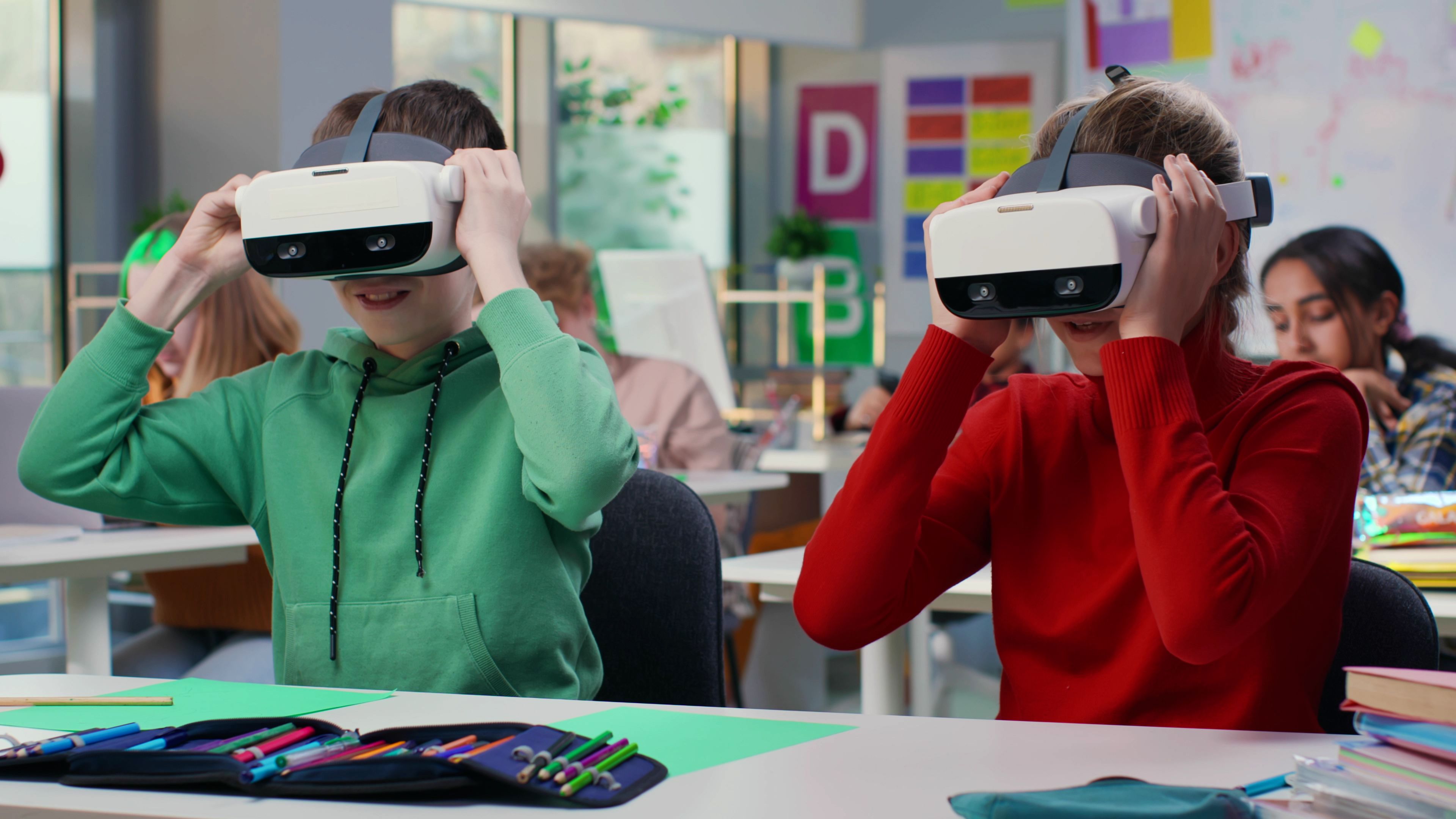
Despite its benefits, integrating VR into education presents challenges. High costs and the need for technical expertise can be barriers for some institutions. However, as technology advances, these hurdles are gradually diminishing, making VR more accessible.
VRcore addresses these challenges by offering scalable solutions and comprehensive training for educators. By equipping teachers with the necessary skills, VRcore ensures the effective implementation of VR in classrooms.
The Future of VR in Education
As VR technology continues to evolve, its role in education is expected to expand. Future developments could include more personalized learning experiences and greater integration with other technologies, such as Artificial Intelligence.
Ultimately, VR has the potential to revolutionize the educational landscape, making learning more interactive, inclusive, and impactful. With ongoing innovation and support from companies like VRcore, the future of education looks promising.