The Benefits of Multi-Platform Support in VR Development


Introduction to Multi-Platform Support in VR
Virtual reality (VR) is rapidly transforming how we interact with digital content, providing immersive experiences that captivate users. One of the key considerations for developers in this space is multi-platform support. By ensuring compatibility across various devices and platforms, developers can significantly enhance the reach and impact of their VR applications.
Reaching a Wider Audience
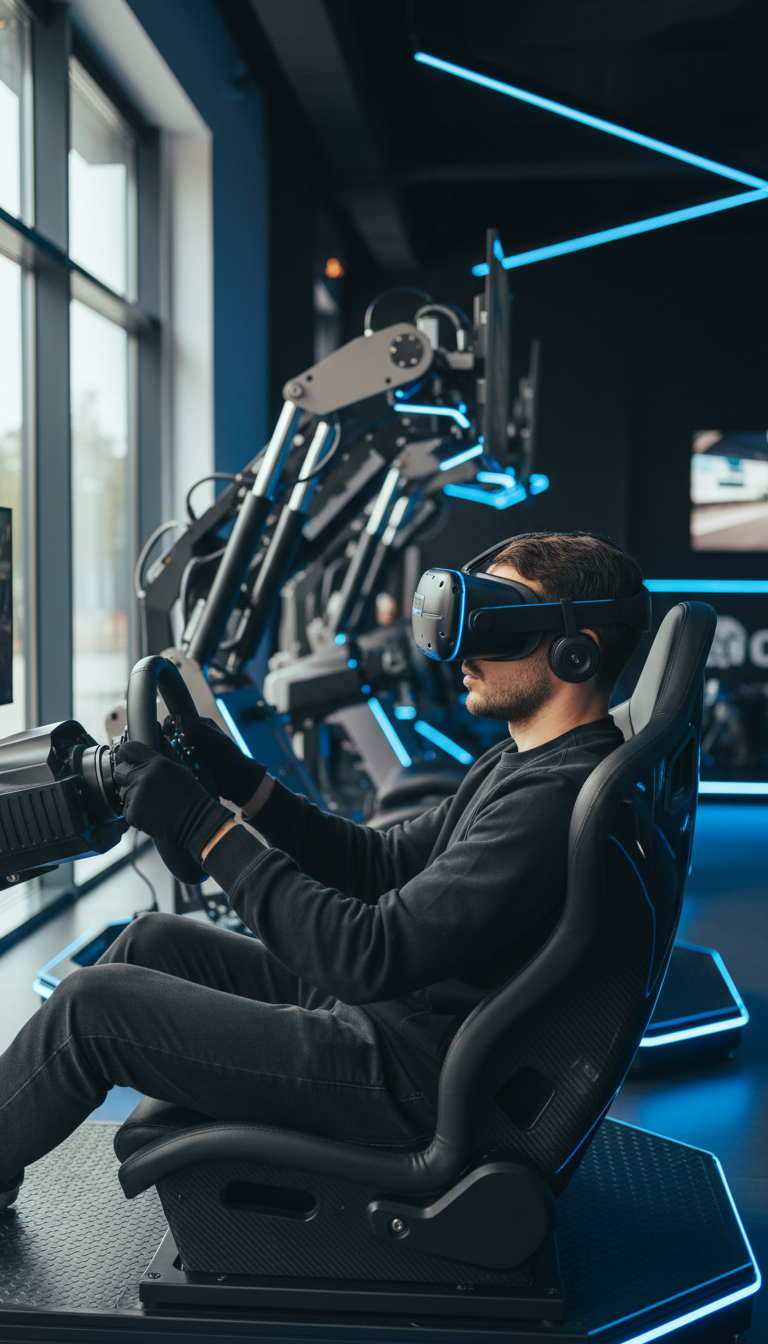
Supporting multiple platforms allows developers to reach a broader audience. Different users prefer different hardware—some might own an Oculus Quest, while others might use HTC Vive or PlayStation VR. By making VR applications accessible across these devices, developers can maximize their potential user base and increase engagement.
Cross-Platform Compatibility
Developing with cross-platform compatibility in mind ensures that users have a seamless experience regardless of the device they use. This not only enhances user satisfaction but also fosters a larger and more diverse community around the VR application.
Cost-Effectiveness
While developing for multiple platforms can initially seem costly, it can actually be more economical in the long run. By designing a single application that works across various platforms, developers can save on future development and maintenance costs. This approach can also lead to reduced time-to-market, as updates and improvements can be deployed universally.

Streamlined Development Process
Tools and technologies like Unity and Unreal Engine provide built-in support for multi-platform development, allowing developers to streamline their processes. These tools offer various integrations and plugins that simplify the task of adapting VR applications to different environments.
Enhanced User Experience
Users expect a consistent experience, and multi-platform support ensures that they can enjoy the same high-quality VR experience irrespective of the device. This consistency builds trust and loyalty, encouraging users to engage more deeply with the content.

Feedback and Improvement
By reaching a wider audience, developers can gather more diverse feedback, which is crucial for improving the application. This feedback can lead to better features, fewer bugs, and an overall enhanced user experience.
Future-Proofing VR Applications
As technology evolves, new devices and platforms will emerge. By investing in multi-platform support early on, developers can future-proof their applications, ensuring they remain relevant and functional as the industry grows and changes.
In conclusion, multi-platform support in VR development offers numerous benefits, from reaching a wider audience to ensuring cost-effectiveness and enhancing the user experience. As the VR industry continues to expand, embracing this approach will be crucial for developers looking to succeed in this dynamic field.