Revolutionizing Learning: How Virtual Reality Enhances Education


Introduction to Virtual Reality in Education
Virtual reality (VR) is no longer just a tool for gaming and entertainment. It's making significant strides in the educational sector, offering immersive experiences that were once unimaginable. As technology continues to evolve, VR is revolutionizing the way students learn, making education more engaging and effective.

Immersive Learning Experiences
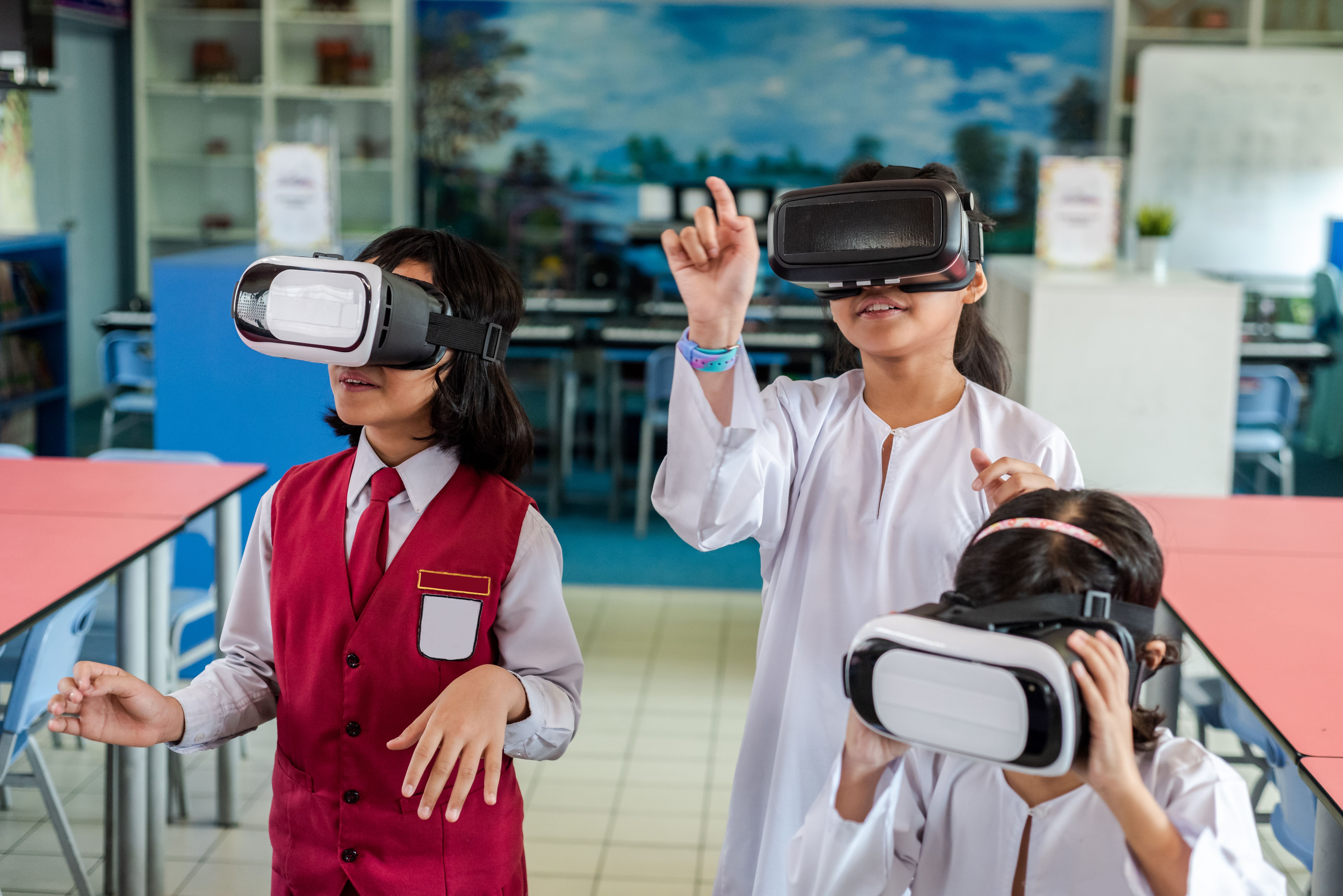
One of the most significant benefits of VR in education is its ability to create immersive learning environments. Students can explore ancient civilizations, dive into the depths of the ocean, or even travel to outer space without leaving their classroom. This hands-on approach fosters a deeper understanding of complex subjects.
By engaging multiple senses, VR helps students retain information more effectively. Traditional methods of learning often rely heavily on textbooks and lectures, but VR offers a dynamic alternative that appeals to various learning styles.

Enhanced Collaboration and Engagement
VR encourages collaboration among students by enabling them to work together in a virtual space. They can tackle problems, conduct experiments, and share ideas in ways that were previously impossible. This interactive approach not only enhances learning but also builds critical teamwork skills.
Moreover, VR can increase student engagement by making lessons more exciting and relevant. When students are immersed in a virtual world, they are more likely to participate actively and absorb the material being taught.
Accessibility and Personalized Learning
Virtual reality can also make education more accessible. Students with disabilities may face challenges in traditional learning environments, but VR offers tailored experiences that accommodate a variety of needs. This inclusivity ensures that all students have the opportunity to learn effectively.
Additionally, VR allows for personalized learning experiences. Teachers can customize lessons to suit individual student needs, helping each learner reach their full potential. This adaptability is crucial in catering to diverse learning requirements.
Preparing Students for the Future
As technology continues to shape our world, it's essential that students are prepared for the future. VR in education not only enhances current learning experiences but also equips students with the skills needed for tomorrow's workforce. Familiarity with advanced technologies can give students a competitive edge in various fields.

Conclusion: A New Era of Education
The potential of virtual reality in education is vast and exciting. By providing immersive, engaging, and personalized learning experiences, VR is transforming traditional educational methods. As more schools and institutions adopt this technology, the future of learning looks brighter than ever.
As educators and technologists continue to explore the possibilities of VR, we can expect even more innovative solutions that will further enhance the educational landscape. Embracing these changes will ensure that education remains relevant and effective in an ever-evolving world.