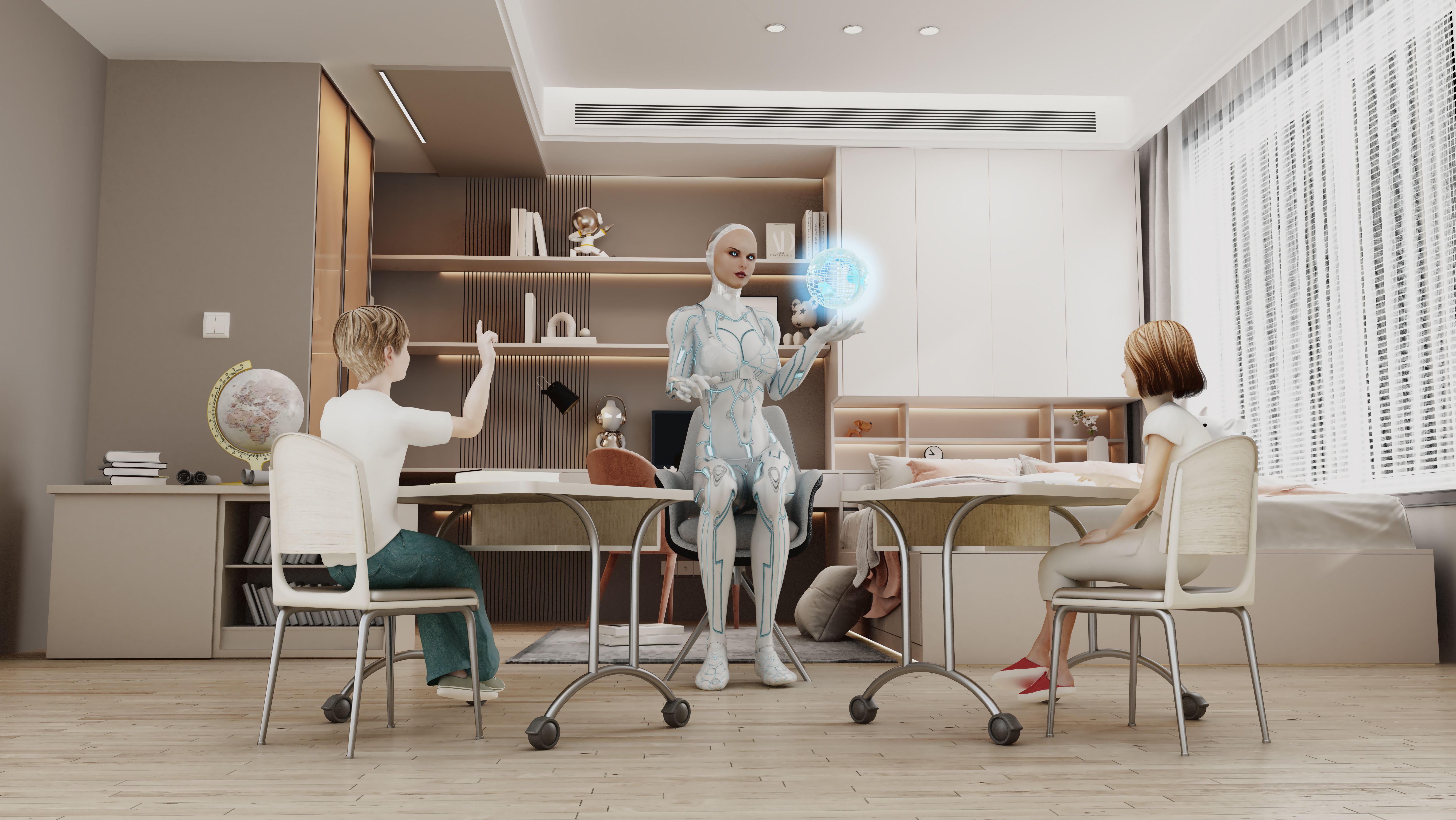
Revolutionizing Education: How Virtual Reality Transforms the Classroom


The Impact of Virtual Reality on Education
In recent years, virtual reality (VR) has emerged as a groundbreaking tool in various fields, and education is no exception. This immersive technology is transforming the traditional classroom, offering students new ways to engage with complex subjects and concepts. By simulating real-world environments, VR provides an interactive learning experience that can significantly enhance student comprehension and retention.
Enhancing Engagement and Motivation
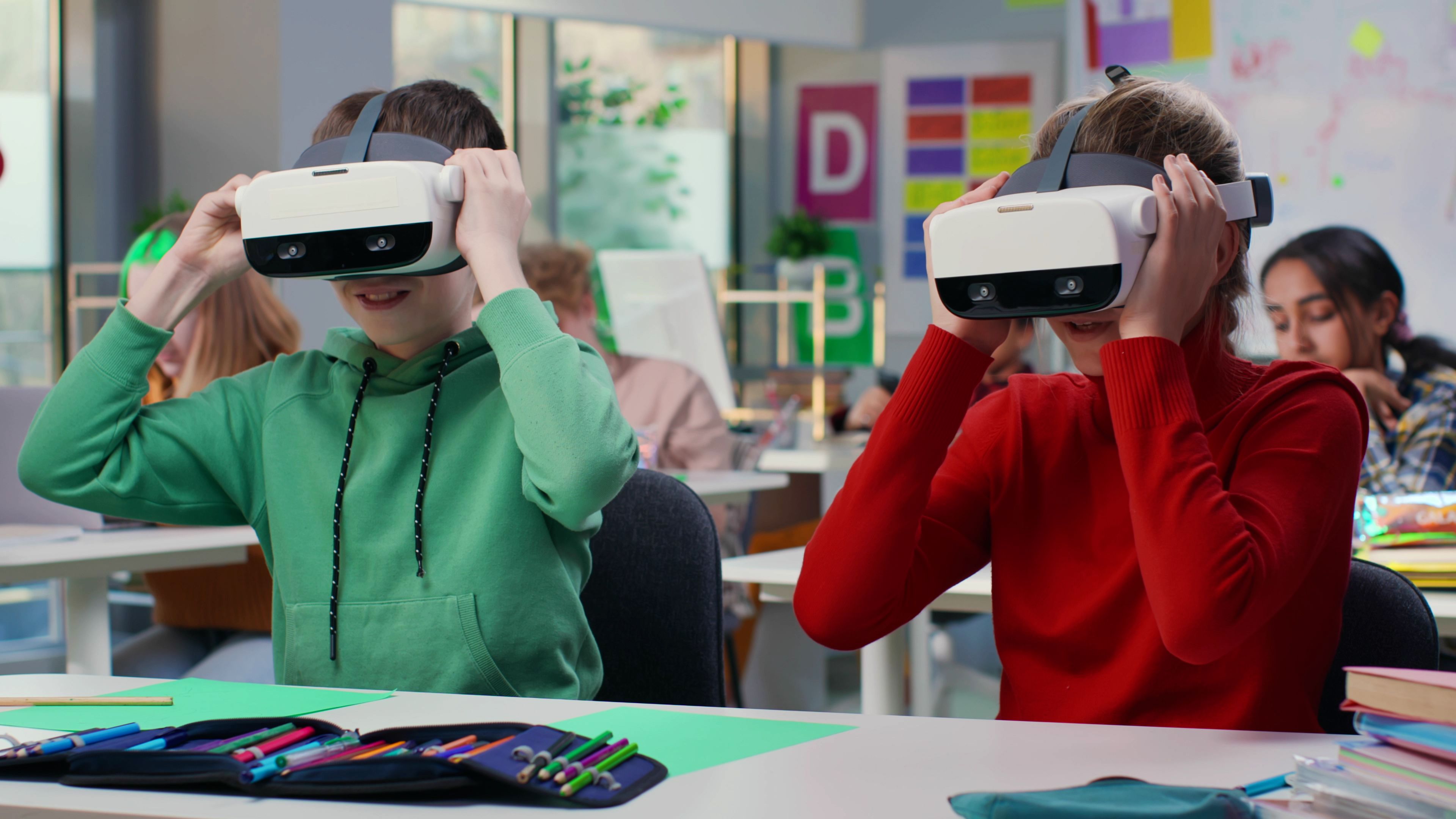
One of the most significant benefits of incorporating VR into education is its ability to increase student engagement. Unlike conventional teaching methods, VR captures students' attention by immersing them in a realistic, interactive environment. This heightened engagement can lead to increased motivation and a more profound interest in learning.
Moreover, VR can cater to various learning styles. Visual learners, for instance, benefit from the vivid imagery and interactive simulations that VR offers. This adaptability ensures that all students can grasp complex concepts more effectively.
Facilitating Experiential Learning
Experiential learning is a powerful method of education, and VR excels in this area by allowing students to experience situations that would otherwise be impossible or impractical. Whether it's exploring ancient civilizations, conducting virtual science experiments, or visiting distant planets, VR opens up a world of possibilities.
Breaking Down Geographical Barriers
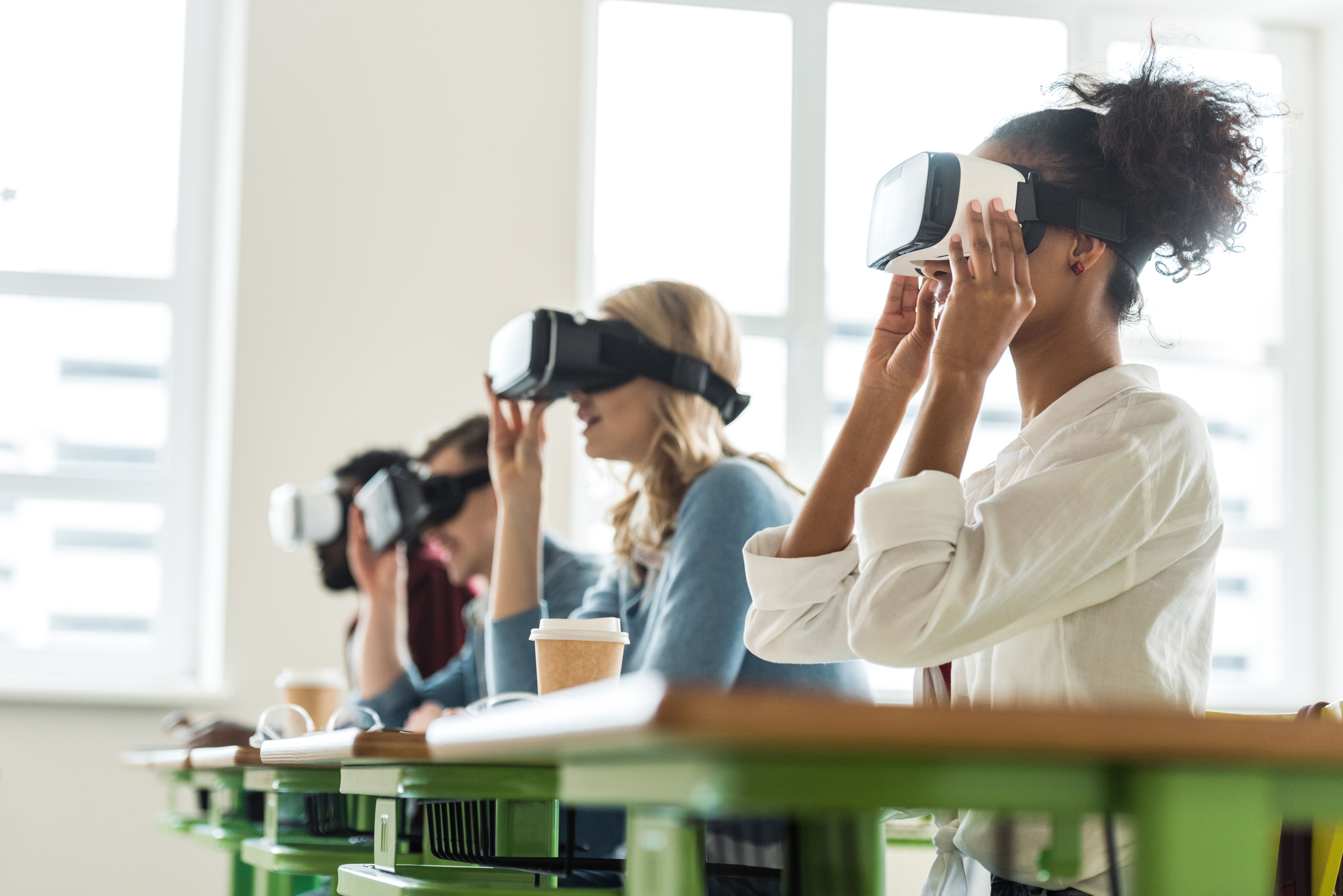
One of the most exciting aspects of VR in education is its ability to transcend geographical limitations. Students can take virtual field trips to museums, historical sites, or even other countries without leaving the classroom. This global perspective broadens their horizons and fosters a deeper understanding of diverse cultures and environments.
Developing Critical Skills
VR not only enhances subject-specific knowledge but also helps develop essential skills. Through VR simulations, students can practice problem-solving, critical thinking, and collaboration in scenarios that mimic real-life challenges. These skills are invaluable in preparing students for future careers in an ever-evolving job market.
Challenges and Considerations
While the benefits of VR in education are significant, there are challenges to consider. The cost of VR equipment and the need for technical support can be barriers for some schools. Additionally, educators must be adequately trained to integrate VR effectively into their curriculum.
Despite these challenges, the potential of VR to revolutionize education is undeniable. As technology continues to advance, VR will become more accessible and affordable, paving the way for its widespread adoption in classrooms worldwide.
The Future of Education with VR
As VR technology evolves, its impact on education will only grow. Teachers and students alike are beginning to realize the transformative power of this technology. By making learning more engaging, interactive, and accessible, VR is not just a tool for the future; it is reshaping the educational landscape today.