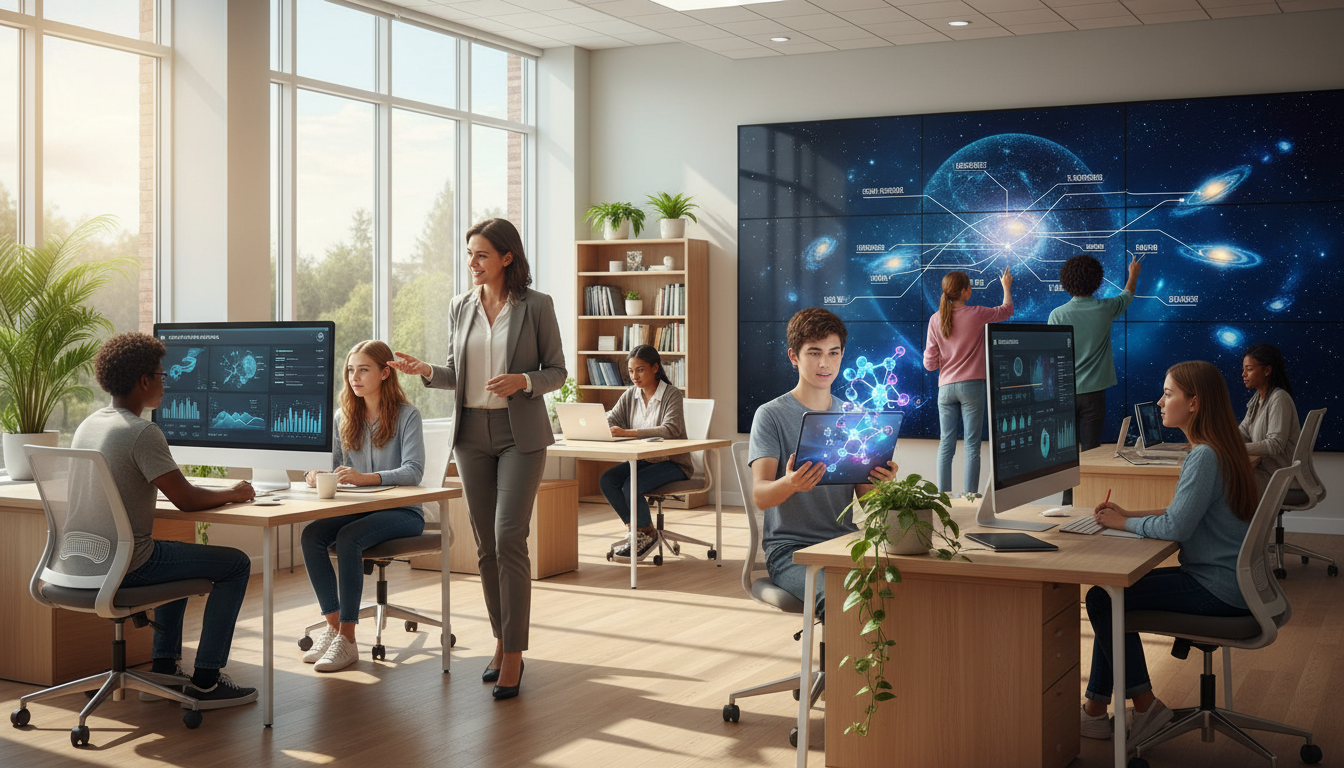
Myths and Facts About VR in Education


The Rise of Virtual Reality in Education
Virtual Reality (VR) is increasingly being integrated into educational settings, promising to revolutionize the way students learn. However, with this new technology come many myths that can cloud its true potential. In this blog post, we will explore common misconceptions and unveil the facts about VR in education.
Myth: VR is Just a Fad
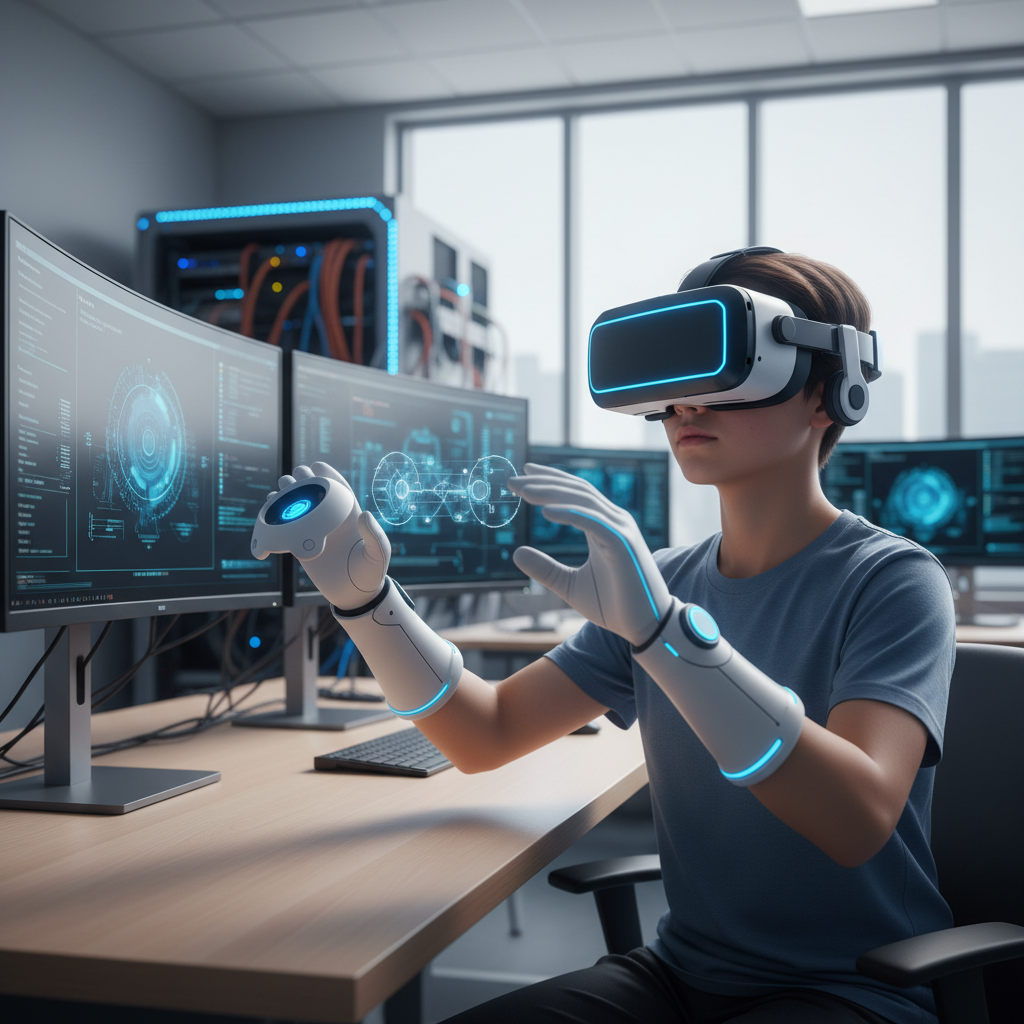
One common myth is that VR is a passing trend with no real staying power in education. In reality, VR has shown significant benefits in enhancing learning experiences. By fostering an immersive environment, VR allows students to engage with content on a deeper level. This engagement can lead to improved retention and understanding.
Fact: Enhances Engagement and Learning
VR can transform abstract concepts into tangible experiences. For example, students can explore the solar system, dive into the ocean, or even walk through historical events, making learning more engaging and interactive. This approach not only captivates students’ attention but also encourages active participation.
Myth: VR is Too Expensive for Schools
Another myth surrounding VR in education is the cost. Many believe that implementing VR technology is prohibitively expensive for schools. While initial costs can be high, the long-term benefits and decreasing prices of VR equipment are making it more accessible.
Fact: Cost-Effective Solutions are Emerging
Budget-friendly VR solutions are now available, and many companies offer education discounts. Furthermore, shared VR labs and mobile VR kits can reduce costs, making this transformative technology more attainable for educational institutions.
Myth: VR is Only for STEM Subjects
Some people assume VR is only applicable to STEM (Science, Technology, Engineering, and Mathematics) education. However, VR's potential extends far beyond these areas, offering unique benefits across various subjects.
Fact: Applicable Across Disciplines
VR can enhance learning in the arts, history, and even language studies. Through virtual museum tours, historical reenactments, and immersive language environments, educators can provide students with rich, diverse experiences that transcend traditional learning methods.
The Future of VR in Education
The integration of VR in education is still in its early stages, but the future looks promising. As technology advances, the possibilities for VR in education are boundless. It is crucial for educators and institutions to remain informed and open-minded about the potential of VR to reshape the educational landscape.