Multi-Platform VR Experiences: Crafting for Quest, Vive, Index, and Pico


Introduction to Multi-Platform VR Development
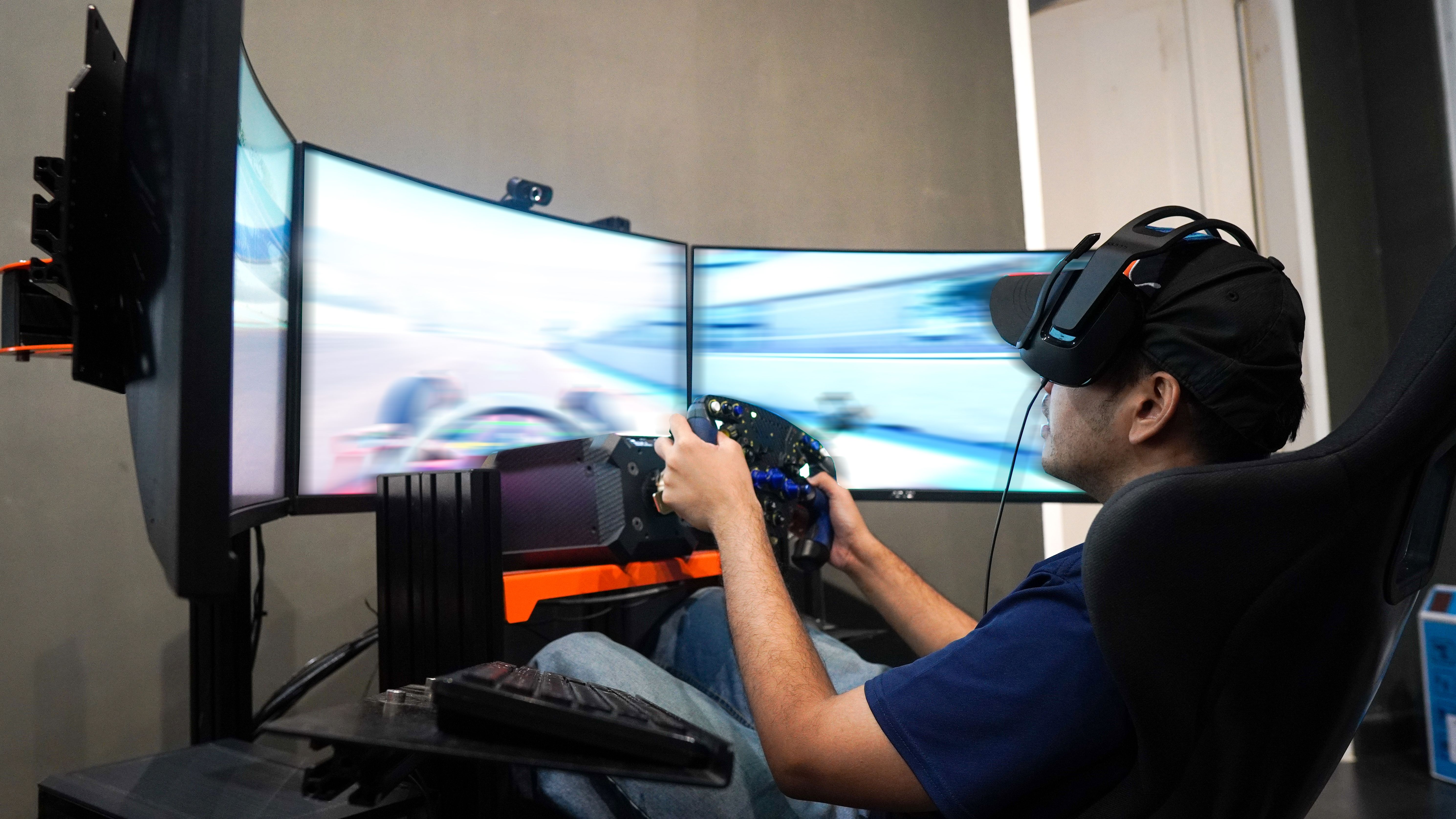
The world of virtual reality (VR) is expanding rapidly, with multiple platforms offering unique opportunities for developers. Crafting VR experiences for devices like the Oculus Quest, HTC Vive, Valve Index, and Pico requires an understanding of each system's strengths and limitations. In this blog post, we'll explore how to create compelling and immersive VR experiences across these different platforms.
Understanding Each Platform
Oculus Quest
The Oculus Quest is known for its standalone capabilities, meaning it doesn’t require a PC connection. This freedom allows developers to focus on optimizing performance and creating seamless user experiences. However, developers must consider the hardware limitations when designing graphics and gameplay.
HTC Vive
The HTC Vive offers a powerful tethered experience with precise tracking and high-quality visuals. Developers can leverage its capabilities for more demanding VR applications but should ensure that their experiences are optimized for smooth performance to avoid motion sickness.

Valve Index
The Valve Index is renowned for its high resolution and refresh rate, providing an immersive and detailed VR experience. Its advanced controllers allow for intricate interactions, which can enhance gameplay and user engagement. Developers should consider these features when crafting interactive VR environments.
Pico
Pico headsets have been gaining traction, especially in enterprise applications. Known for their affordability and ease of use, these devices are perfect for educational and business-focused VR solutions. Developers need to tailor their content to suit the specifications and use cases of Pico headsets.
Designing Cross-Platform Experiences
Creating VR experiences for multiple platforms involves balancing performance and visual fidelity. Developers should focus on universal design principles that can be adapted to each system's unique features. This includes scalable graphics, adjustable controls, and customizable user interfaces.
Optimization Techniques
To ensure smooth performance across platforms, developers can employ various optimization techniques. These include:
- Level of Detail (LOD) management
- Efficient use of shaders and textures
- Reducing polygon count where possible
Testing and Iteration
Testing is a critical phase in multi-platform VR development. Each platform may have different requirements and constraints, necessitating thorough testing to ensure a consistent experience. Iterative design helps identify and resolve platform-specific issues, leading to a polished final product.

Conclusion
Developing multi-platform VR experiences is a rewarding challenge that requires careful consideration of each platform's capabilities. By understanding these differences and employing strategic design and optimization techniques, developers can create engaging and immersive VR content that resonates across various devices.