Innovative Uses of Virtual Reality in Education: Case Studies and Success Stories


Transforming Traditional Learning Environments
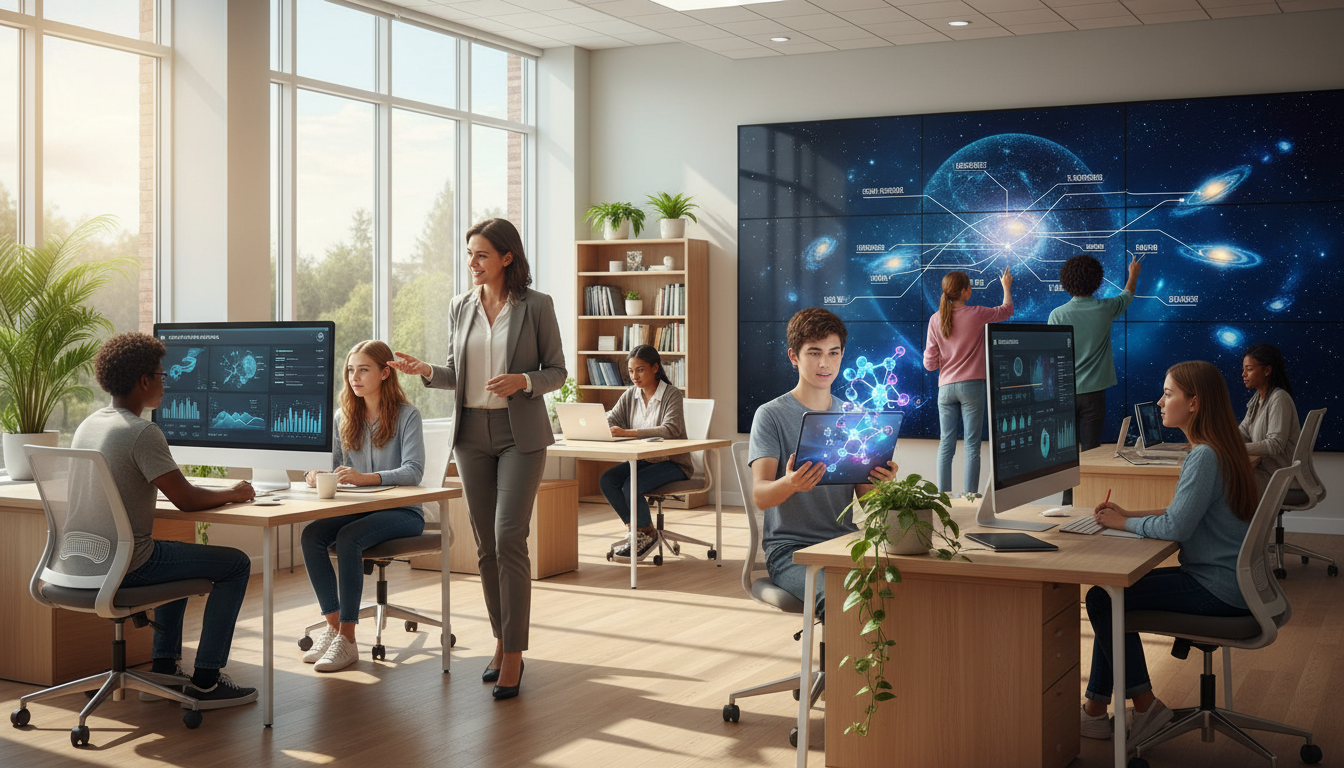
Virtual Reality (VR) is revolutionizing the education sector by providing immersive experiences that enhance learning. Traditional classrooms are being transformed with VR, enabling students to explore new worlds and concepts right from their desks. This technology is not just a novelty; it's a powerful tool that supports diverse learning styles and engagement levels.
Case Study: Empowering Medical Training
One of the most compelling uses of VR in education is in medical training. Medical students can now practice complex surgeries in a risk-free environment. For instance, Stanford University's Virtual Reality lab provides aspiring surgeons with realistic simulations of surgical procedures. This hands-on experience is invaluable, enabling students to refine their skills without the pressure of real-life consequences.
The realistic simulations also help in reducing the anxiety and stress associated with high-stakes medical procedures. By practicing in a controlled environment, students gain confidence and competence, which is essential for their future careers.
Success Story: Virtual Field Trips
Virtual field trips are another innovative application of VR in education. Schools that lack the budget for physical field trips can offer students immersive experiences to places like the Great Wall of China or the depths of the ocean. Google Expeditions, for example, has been widely adopted in schools, allowing students to explore and learn about different cultures and ecosystems without leaving the classroom.
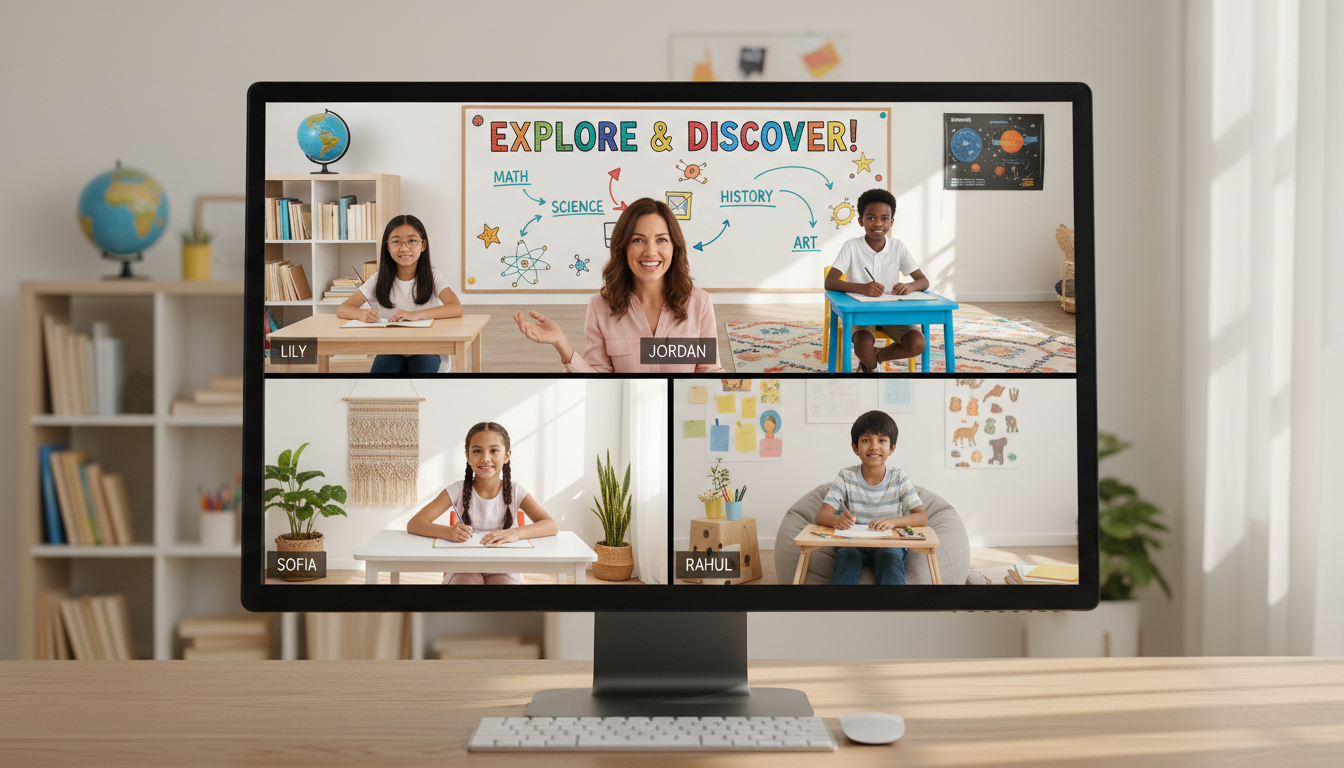
These virtual journeys make learning fun and interactive, helping students to retain information more effectively. Teachers can guide students through these experiences, providing context and additional information that enrich the learning process.
Enhancing STEM Education
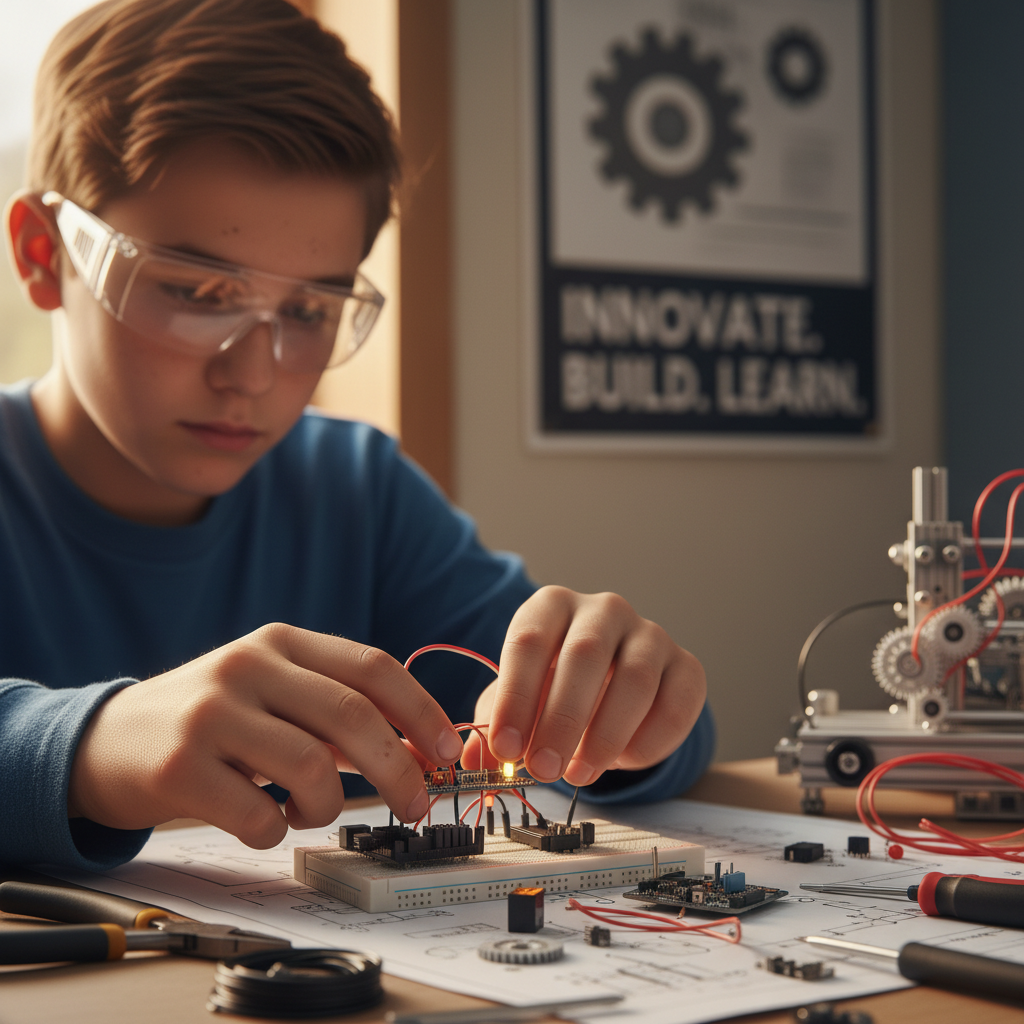
VR is also making strides in STEM (Science, Technology, Engineering, and Mathematics) education. Through VR labs, students can conduct experiments and explore scientific concepts in a virtual space. This approach not only saves on resources but also allows for experiments that might be too dangerous or impractical in a traditional setting.
Innovative programs like Labster are providing virtual lab simulations that cover a wide range of scientific subjects. These programs are tailored to meet curriculum standards, ensuring that students receive comprehensive and relevant education.
Language Learning Through Immersion
Another exciting application of VR is in language learning. By immersing students in a virtual environment where the target language is spoken, they can practice conversational skills and improve their fluency. Programs like Mondly VR offer interactive language lessons that mimic real-life scenarios, providing a practical way to learn a new language.
This method of learning is especially effective because it exposes learners to native pronunciation and cultural nuances, which are often missing in traditional language classes.
Conclusion: The Future of VR in Education
The integration of VR in education is just beginning, but the possibilities are endless. As technology continues to advance, we can expect even more innovative applications that will further enrich the educational landscape. By harnessing the power of VR, educators can provide students with unparalleled learning experiences that prepare them for the future.
As more institutions adopt VR technology, success stories and case studies will continue to emerge, showcasing the transformative impact of virtual reality in education.