Innovative Trends in Virtual Reality: What to Expect Next


Introduction to Virtual Reality Trends
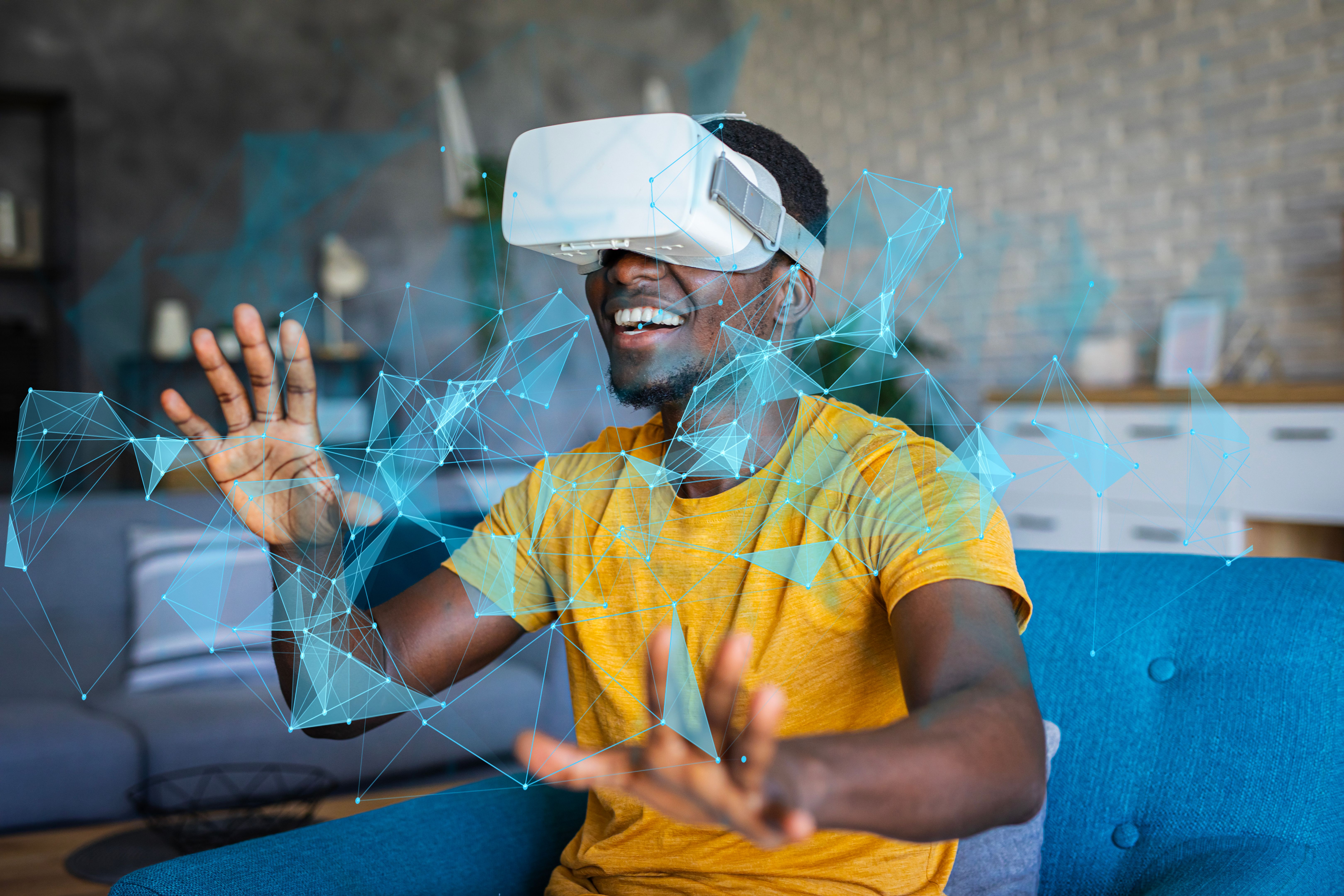
Virtual reality (VR) has rapidly evolved over the past few years, transforming from a niche technology into a mainstream phenomenon. As VR continues to advance, several innovative trends are shaping the future of this immersive technology. These trends promise to revolutionize how we interact with digital environments, offering new possibilities for entertainment, education, and beyond.

Enhanced Realism and Immersion
One of the primary goals of VR technology is to create an experience that feels as real as possible. Recent advancements in graphics processing and haptic feedback are making this goal more achievable. Companies are developing VR headsets with higher resolution displays and more accurate motion tracking, allowing users to experience environments with unprecedented detail and realism.
Alongside visual improvements, haptic technology is also evolving. This technology allows users to feel tactile sensations in virtual environments, enhancing immersion. From the sensation of raindrops to the texture of surfaces, haptics are adding a new layer of depth to VR experiences.
Social and Collaborative VR
As social connectivity becomes increasingly important, VR is evolving to include more collaborative and social features. Virtual reality platforms are now offering shared spaces where users can meet, interact, and collaborate in real-time. This trend is particularly impactful for remote work and online education, where virtual meeting spaces can simulate the experience of being in the same room.

Virtual Workspaces
Virtual workspaces are becoming more sophisticated, offering tools and environments that mimic physical office settings. Features such as virtual whiteboards and 3D models allow for dynamic collaboration, making remote teamwork more effective and engaging.
Healthcare and Therapeutic Applications
VR is making significant strides in the healthcare sector, offering new solutions for treatment and therapy. Virtual reality therapy is being used to treat conditions such as PTSD, anxiety, and phobias. By exposing patients to controlled virtual environments, therapists can help individuals confront and manage their fears in a safe and controlled setting.

Medical Training and Simulation
Medical professionals are also benefiting from VR through immersive training simulations. These simulations provide a realistic and risk-free environment for medical students and professionals to practice procedures and surgeries, enhancing their skills and confidence.
Gaming and Entertainment Innovations
The gaming industry continues to be a major driver of VR innovation. New developments are focusing on creating more interactive and engaging experiences. Developers are experimenting with AI-driven narratives and adaptive gameplay, making each gaming session unique to the player.
Furthermore, the integration of VR with other technologies, such as augmented reality (AR) and artificial intelligence (AI), is opening up new possibilities for entertainment. These hybrid experiences are blurring the lines between virtual and real worlds, offering limitless potential for creativity and storytelling.
Conclusion
The future of virtual reality is filled with exciting possibilities. As technology continues to advance, VR will likely become an integral part of various industries, transforming the way we work, play, and interact with the world around us. Whether through enhanced realism, social connectivity, or innovative applications in healthcare and gaming, the next wave of VR advancements promises to deliver experiences that are more immersive and impactful than ever before.