Innovative Trends in Virtual Reality: What's Next?


Introduction to Virtual Reality
Virtual reality (VR) has revolutionized the way we interact with digital environments, offering immersive experiences that were once the realm of science fiction. As technology continues to advance, the potential applications of VR are expanding rapidly, influencing various industries and enhancing user experiences.
The question on everyone's mind is: what's next? In this blog post, we'll explore some of the most innovative trends in virtual reality and how they are shaping the future.
Enhanced Realism and Immersion
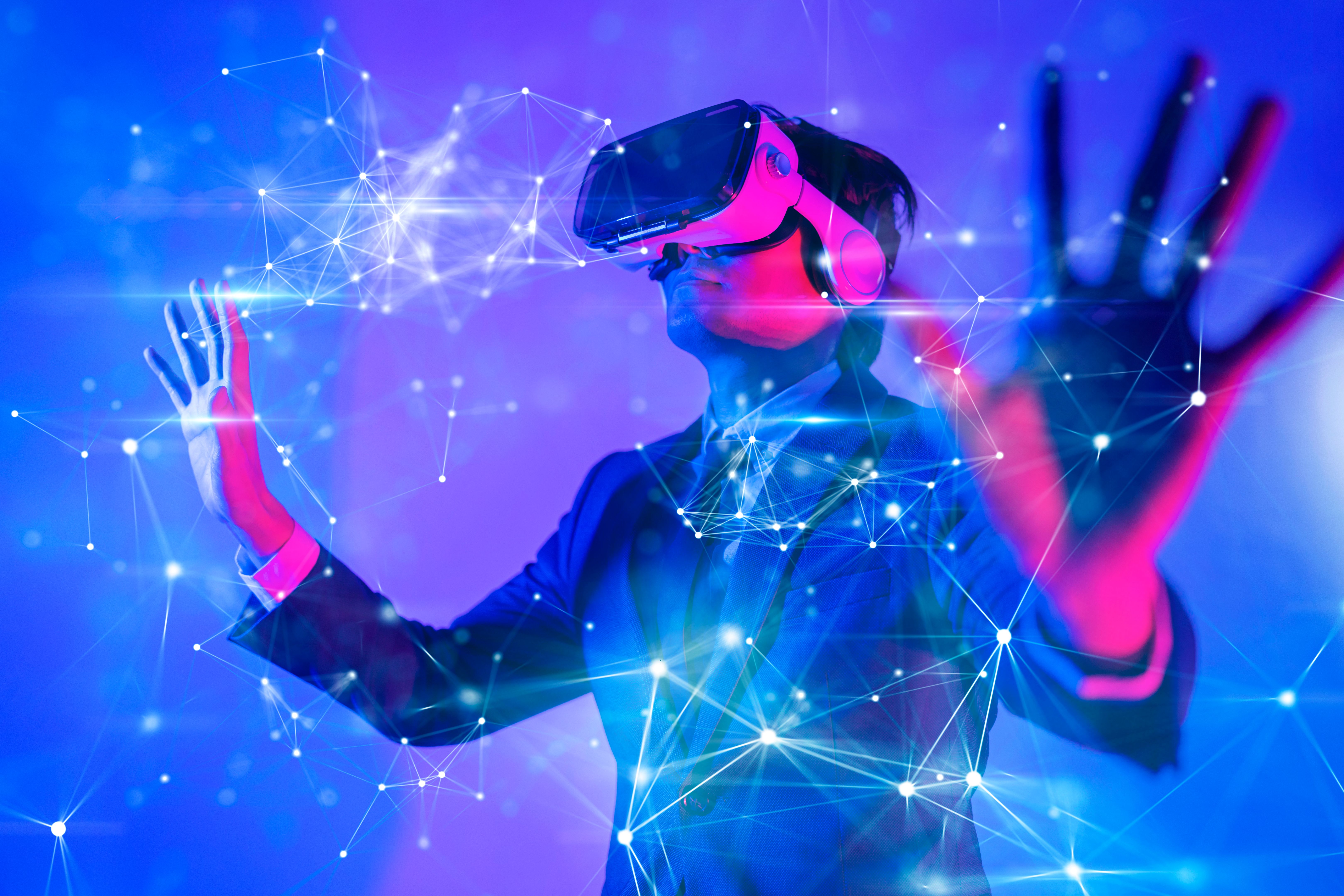
One of the key trends in VR is the push towards more realistic and immersive experiences. Developers are utilizing advanced graphics, improved motion tracking, and haptic feedback to create environments that feel incredibly lifelike. This trend is not just limited to gaming; industries like real estate and tourism are leveraging these technologies to offer virtual tours that closely mimic real-world experiences.
Moreover, the integration of AI with VR is enhancing the realism of virtual interactions. AI-driven characters and environments can respond and adapt to user actions in real-time, creating a dynamic and engaging experience.
Real-World Applications
The applications for enhanced VR are vast. In healthcare, for instance, surgeons can practice complex procedures in a risk-free, virtual environment. Meanwhile, in education, students can explore historical events or distant planets, providing a learning experience that textbooks simply cannot match.
Social VR and Collaboration
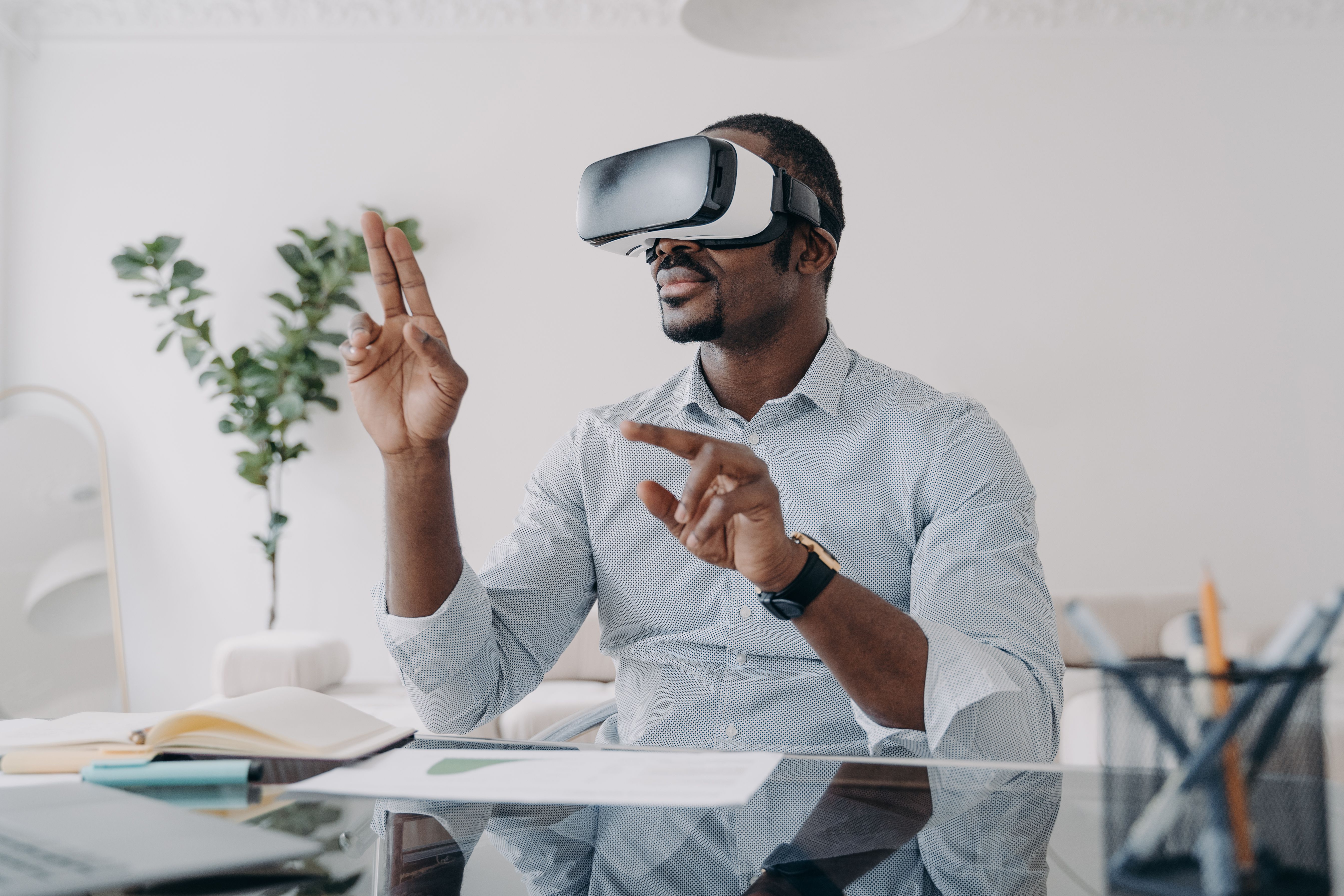
As remote work becomes more prevalent, VR is playing a crucial role in transforming how teams collaborate. Social VR platforms enable people to meet, interact, and collaborate in a virtual space, regardless of their physical location. This trend is fostering a new era of remote work, where virtual offices and meetings are the norm.
Moreover, VR is breaking down geographical barriers, allowing people to connect on a more personal level than ever before. From virtual concerts to digital art exhibitions, the possibilities for social engagement are expanding rapidly.
Future of Social Interactions
The future of social VR is exciting. As technology progresses, we can expect more personalized and interactive social experiences. Avatars will become more expressive, and the environments more customizable, allowing users to create and participate in unique, shared experiences.

VR in Training and Education
Training and education are among the most promising fields for VR innovation. By providing a hands-on learning experience, VR is revolutionizing how information is absorbed and skills are acquired. Industries such as aviation, military, and manufacturing are already using VR for training purposes, reducing costs and improving outcomes.
In education, VR allows for interactive lessons that are not only more engaging but also cater to various learning styles. Virtual classrooms can bring subjects to life, making them more accessible and understandable for students.
Impact on Learning
The impact of VR on learning is profound. By enabling experiential learning, VR helps students retain information better and develop critical thinking skills. As VR technology becomes more affordable and widespread, its adoption in schools and universities is expected to grow significantly.
Conclusion
Virtual reality is continuously evolving, with each innovation offering new possibilities for how we interact with digital worlds. From enhanced realism to expanded social interactions, the trends in VR are transforming numerous aspects of our daily lives. As we look to the future, the potential applications of VR are limited only by our imagination.
Embracing these trends will not only reshape industries but also redefine how we connect, learn, and experience the world around us. The next wave of VR innovation is upon us, and it's set to change everything.