Innovations in VR: What’s Next for Virtual Reality Experiences?


The Evolution of Virtual Reality
Virtual Reality (VR) technology has come a long way since its inception. From bulky headsets with limited functionality to sleek devices that offer immersive experiences, VR has continually evolved to meet the demands of a tech-savvy audience. But what does the future hold for this groundbreaking technology?
As developers and researchers push the boundaries of what's possible, VR is set to transform various industries, from gaming to education and healthcare. With rapid advancements, the next wave of VR experiences promises to be more immersive and interactive than ever before.

Immersive Storytelling
One of the most exciting innovations in VR is immersive storytelling. Unlike traditional mediums, VR allows users to be part of the story, providing a unique perspective that engages all the senses. This form of storytelling is already making waves in gaming, but its potential extends to films, documentaries, and even live events.
Imagine attending a concert from the comfort of your home or exploring historical sites as if you were there. The possibilities are endless, and as VR technology continues to improve, so will the quality and depth of these experiences.
Enhanced Realism with Haptic Feedback
Haptic feedback is another area where VR is making significant strides. By simulating the sense of touch, haptic technology adds a layer of realism that enhances the user's experience. This is particularly beneficial in training simulations, where realistic interactions can improve learning outcomes.
From feeling the texture of virtual objects to experiencing the impact of actions within a VR environment, haptic feedback is set to revolutionize how users interact with virtual worlds.

Social VR and Collaboration
As VR becomes more accessible, social VR platforms are gaining popularity. These platforms allow users to interact with others in a virtual space, fostering collaboration and communication. Whether it's for work, education, or leisure, social VR offers a new way to connect with people worldwide.
Businesses are also exploring the potential of VR for remote work and collaboration. Virtual meetings and collaborative projects can be conducted in immersive environments, enhancing productivity and engagement.
AI Integration and Personalization
The integration of Artificial Intelligence (AI) with VR is paving the way for personalized experiences. AI can tailor VR environments to individual preferences, making interactions more relevant and engaging. This personalization is particularly useful in education, where customized learning experiences can cater to different learning styles.
Moreover, AI-driven characters and environments can adapt in real-time, providing dynamic and responsive interactions that enhance the overall experience.
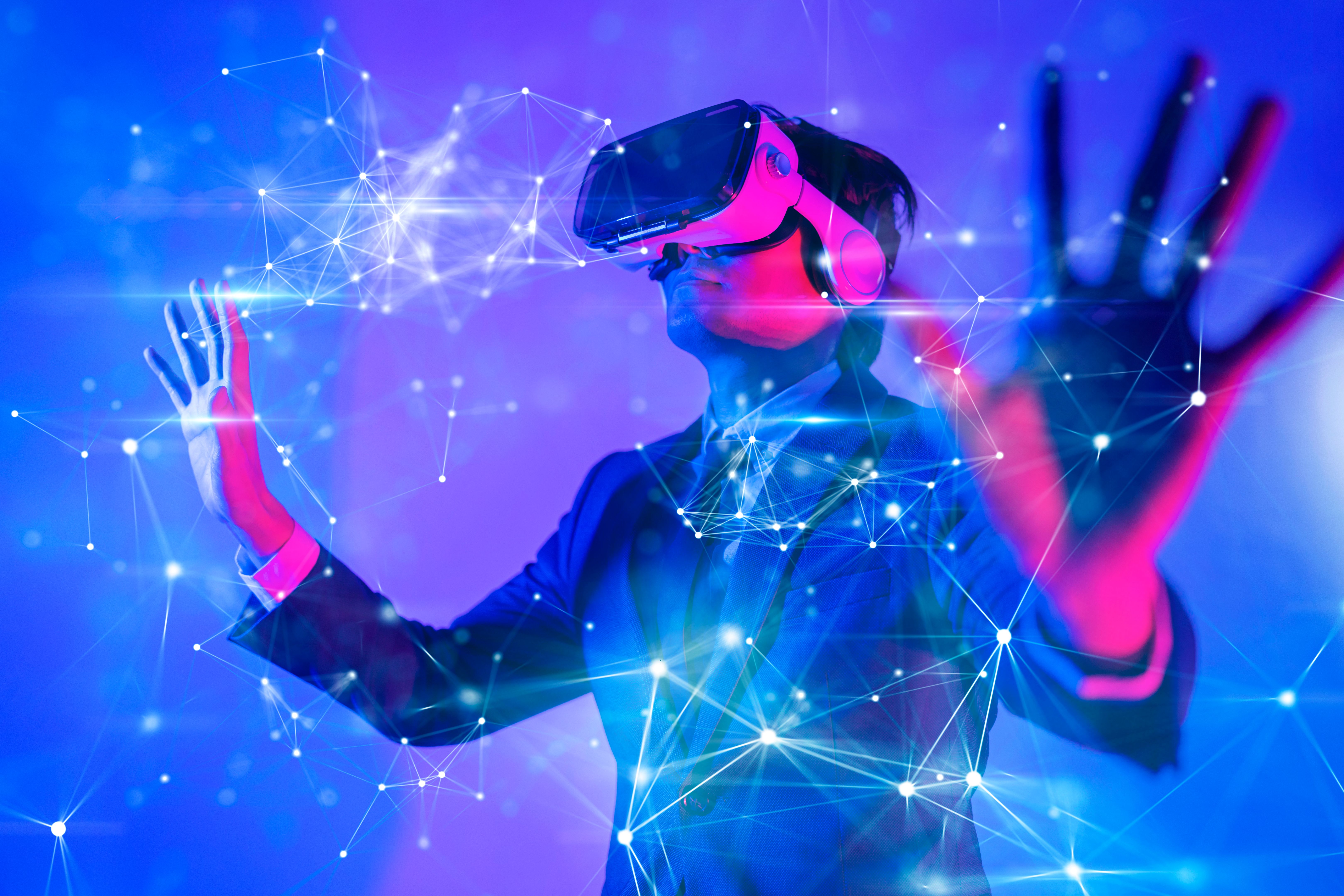
The Future of VR Accessibility
As VR technology advances, making it accessible to a broader audience is a priority. Developers are focusing on creating affordable and user-friendly devices, ensuring that VR experiences are available to everyone. This democratization of VR has the potential to transform how we learn, work, and play.
With ongoing innovations and improvements, the future of VR looks promising. As we continue to explore the possibilities, one thing is certain: Virtual Reality is here to stay, and its impact will be felt across all aspects of life.