How VRcore Education UK is Revolutionizing Classrooms


The educational landscape is rapidly evolving, and one of the most exciting developments is the integration of virtual reality (VR) into classrooms. VRcore Education UK is at the forefront of this revolution, transforming how students learn and interact with educational content.
Immersive Learning Experiences
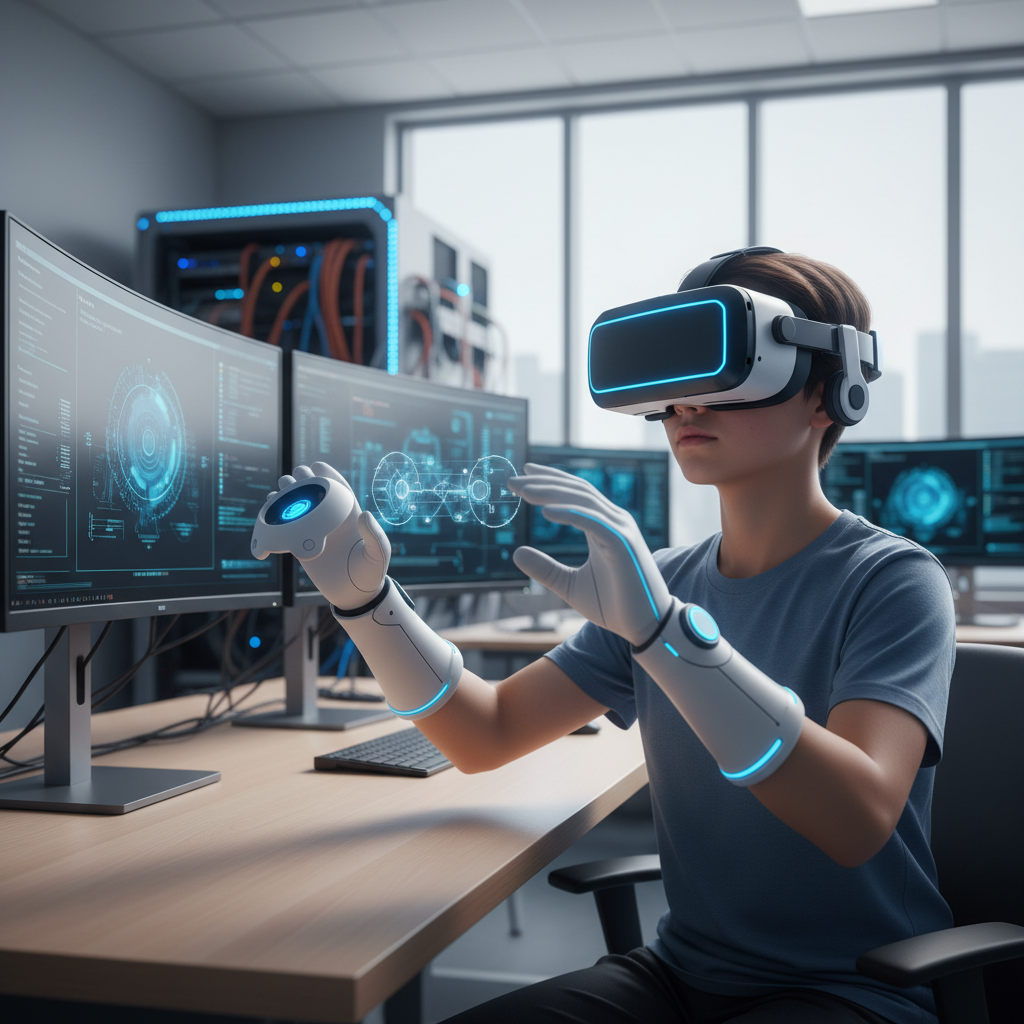
VRcore Education UK provides students with immersive learning experiences that traditional methods simply cannot match. By using VR, students can explore historical sites, dive into the depths of the ocean, or even travel through space, all from the comfort of their classroom. These experiences make learning more engaging and memorable.
The immersive nature of VR helps students better retain information by engaging multiple senses. This sensory engagement fosters a deeper understanding of complex subjects, making it an invaluable tool in education.
Enhanced Student Engagement
Engagement is a key factor in student success, and VRcore Education UK is making strides in keeping students interested and motivated. With VR, lessons become interactive adventures, capturing students’ attention and encouraging active participation.
Moreover, VR allows for interactive simulations that make abstract concepts tangible. For subjects like chemistry or physics, where visualizing concepts can be challenging, VR offers a hands-on approach to learning.
Personalized Learning Paths
One of the standout features of VRcore Education UK is the ability to tailor educational experiences to individual student needs. With VR, educators can create personalized learning paths that adapt to each student's pace and style of learning.
This customization ensures that all students, regardless of their learning abilities, can benefit from the curriculum. It also allows for immediate feedback and adjustments, helping students overcome challenges more effectively.
Collaboration and Social Interaction
VRcore Education UK also emphasizes collaboration and social interaction among students. Through virtual environments, students can work together on projects, participate in group discussions, and develop teamwork skills, all while being in different physical locations.
This collaborative nature of VR not only enhances learning outcomes but also prepares students for the increasingly digital and interconnected world they will enter after school.
Conclusion
VRcore Education UK is paving the way for a new era in education. By integrating virtual reality into classrooms, they are providing students with unique, interactive, and personalized learning experiences. As technology continues to advance, the potential for VR in education is limitless, promising a future where learning is not just a requirement but an exciting adventure.