How VR is Revolutionizing Classrooms with Back-to-School Educational Tools


As technology continues to advance, virtual reality (VR) is making a significant impact in classrooms, transforming traditional learning methods. The integration of VR with educational tools is offering students immersive experiences that were once unimaginable. This shift is not only engaging but also enhances learning outcomes.
Interactive Learning Experiences
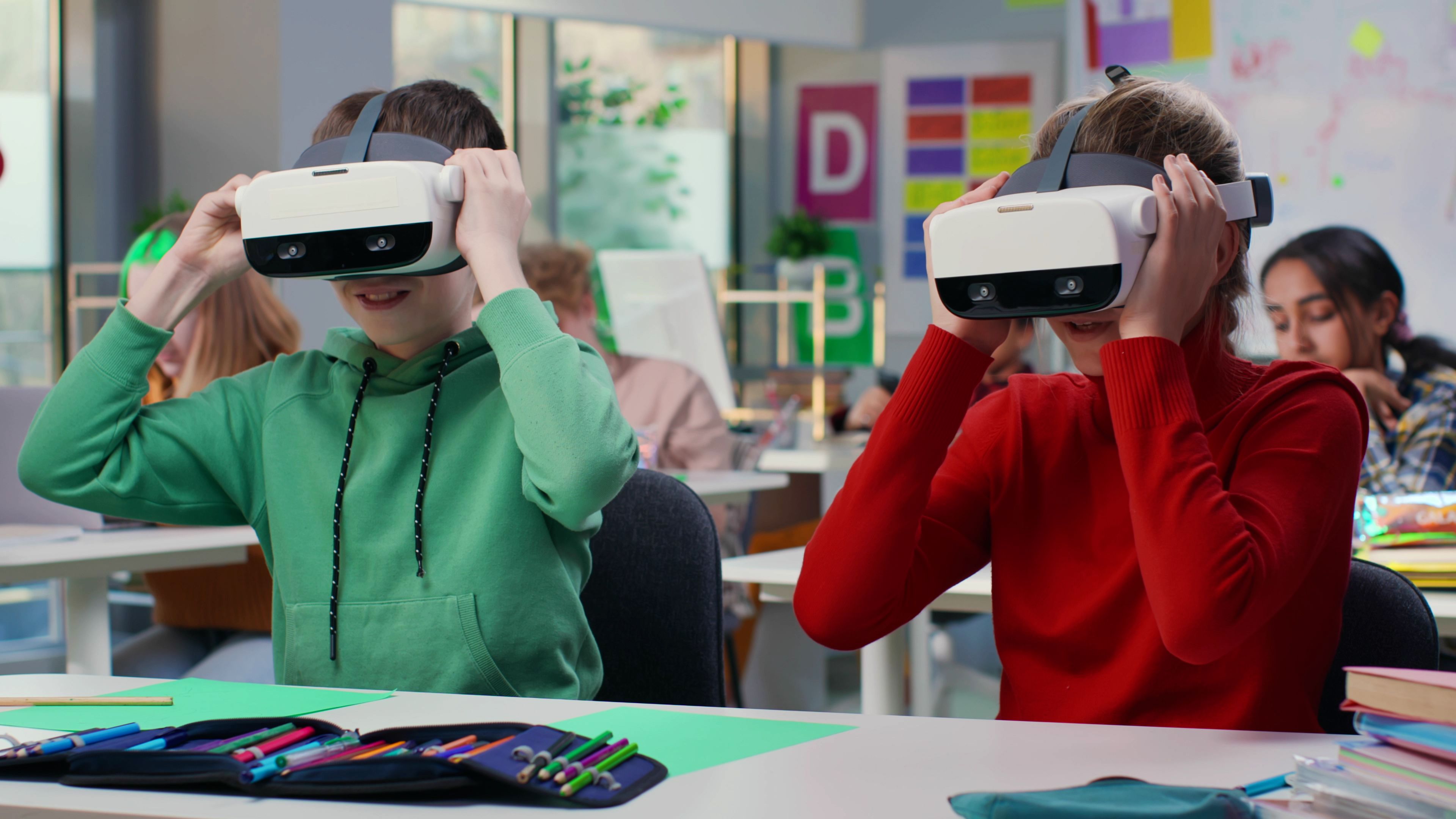
One of the most compelling aspects of VR in education is its ability to create interactive learning experiences. Instead of merely reading about historical events or scientific phenomena, students can now experience them firsthand. For instance, a history lesson on ancient Egypt can transport students to the pyramids, offering a 360-degree view of the surroundings.
This immersive experience helps students retain information more effectively. According to studies, students who learn through VR retain 30% more information compared to traditional methods. This is because VR engages multiple senses, making learning both effective and enjoyable.
Enhanced STEM Education
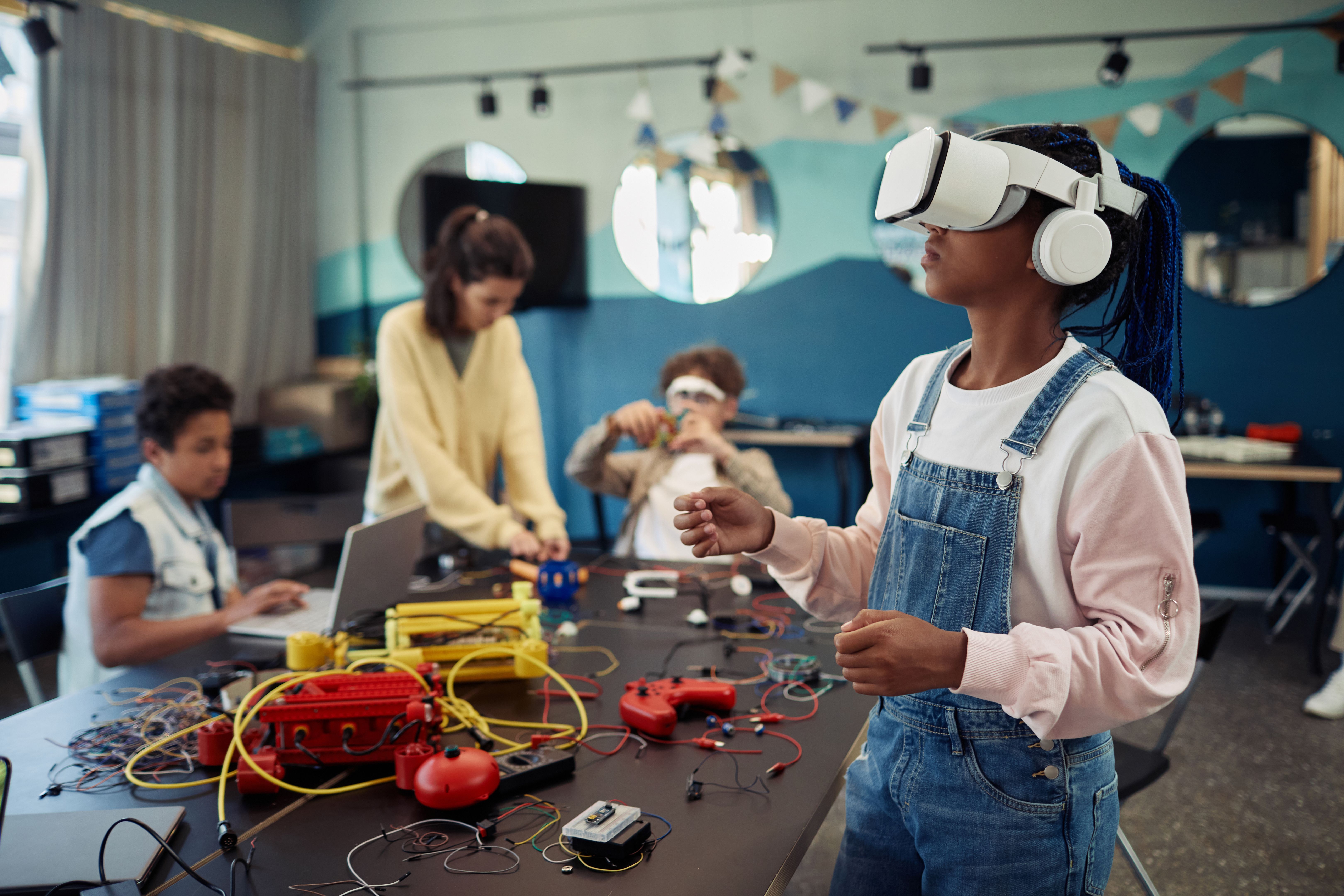
STEM subjects often involve complex concepts that can be challenging to grasp through textbooks alone. VR simplifies these concepts by visualizing abstract ideas. In a virtual lab, students can conduct experiments without the limitations of physical resources or safety concerns. This hands-on approach fosters a deeper understanding of scientific principles.
Breaking Geographical Barriers
VR technology is also bridging geographical gaps, allowing students from different parts of the world to participate in the same learning environment. Virtual field trips can take students to the Amazon rainforest or the Great Wall of China, expanding their worldview without leaving the classroom.
This global accessibility promotes cultural understanding and diversity, preparing students for a more interconnected world. Schools in remote areas can now access quality education resources, leveling the playing field for all students.
Special Needs and Inclusive Education
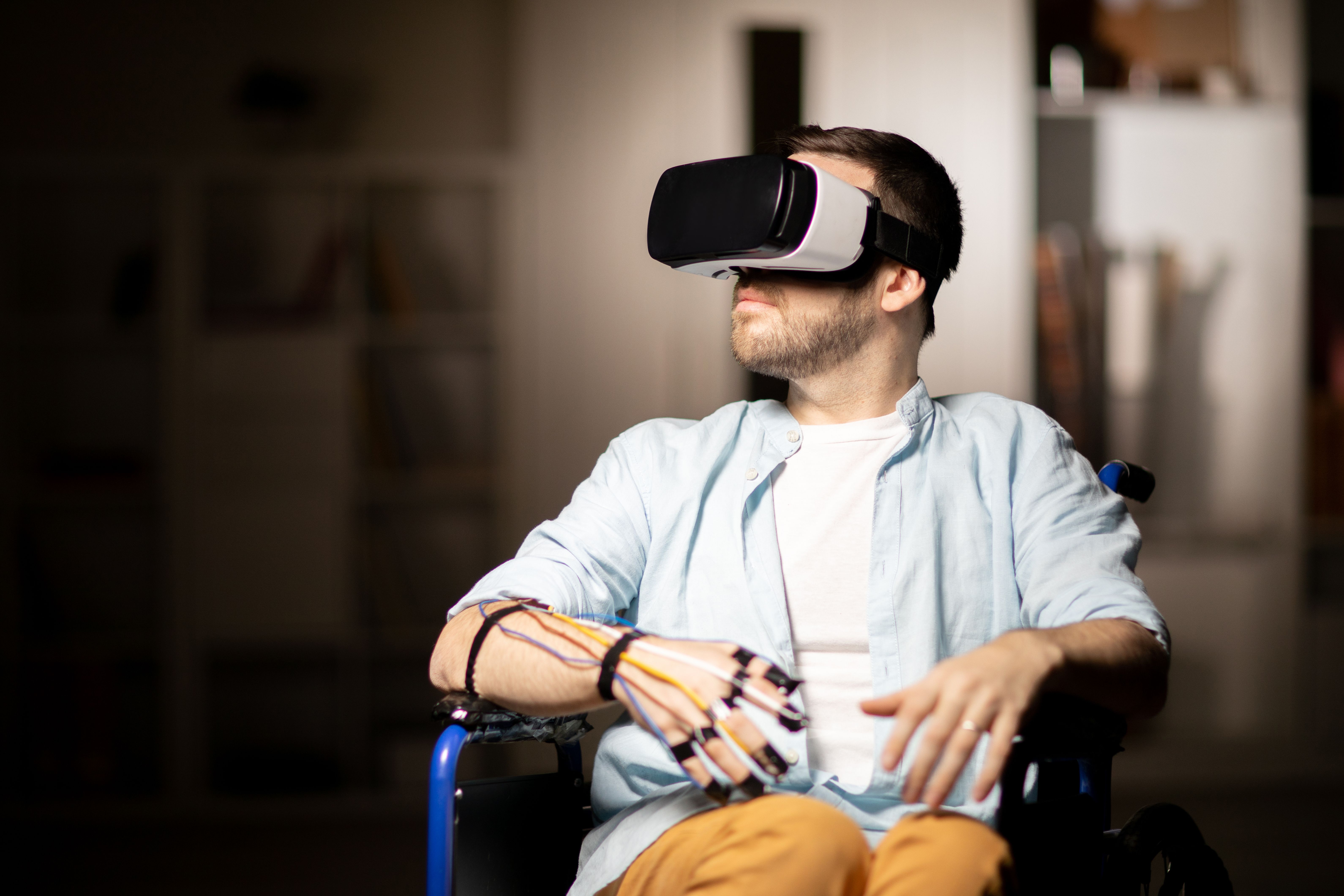
VR is proving to be a powerful tool for inclusive education. Students with special needs can benefit from customized VR programs tailored to their learning pace and style. For example, VR can simulate social scenarios to help students with autism develop social skills in a controlled environment.
Teacher Training and Professional Development
VR is not just for students; it also offers professional development opportunities for teachers. Educators can use VR to simulate classroom management scenarios or practice new teaching strategies in a risk-free environment. This helps teachers refine their skills and adapt to modern educational demands.
By integrating VR into teacher training, educators can stay updated with the latest teaching methodologies and technologies, ultimately benefiting their students.
The Future of VR in Education
The potential of VR in education is vast and still unfolding. As technology advances, we can expect even more sophisticated tools that further enrich the learning experience. Schools adopting VR are not just investing in technology but are preparing students for a future where digital literacy is paramount.
In conclusion, VR is revolutionizing classrooms by offering dynamic, inclusive, and effective educational tools. As more schools embrace this technology, the traditional educational model is set to evolve, providing students with the skills they need in an increasingly digital world.