How VR Game Development is Revolutionizing the Entertainment Industry


Immersive Experiences Redefining Entertainment
Virtual Reality (VR) game development is at the forefront of revolutionizing the entertainment industry. With the ability to transport players into immersive worlds, VR is changing how we experience games, movies, and even live events. The technology allows users to interact with digital environments in ways that were previously unimaginable, creating a more engaging and dynamic form of entertainment.
Enhanced User Engagement
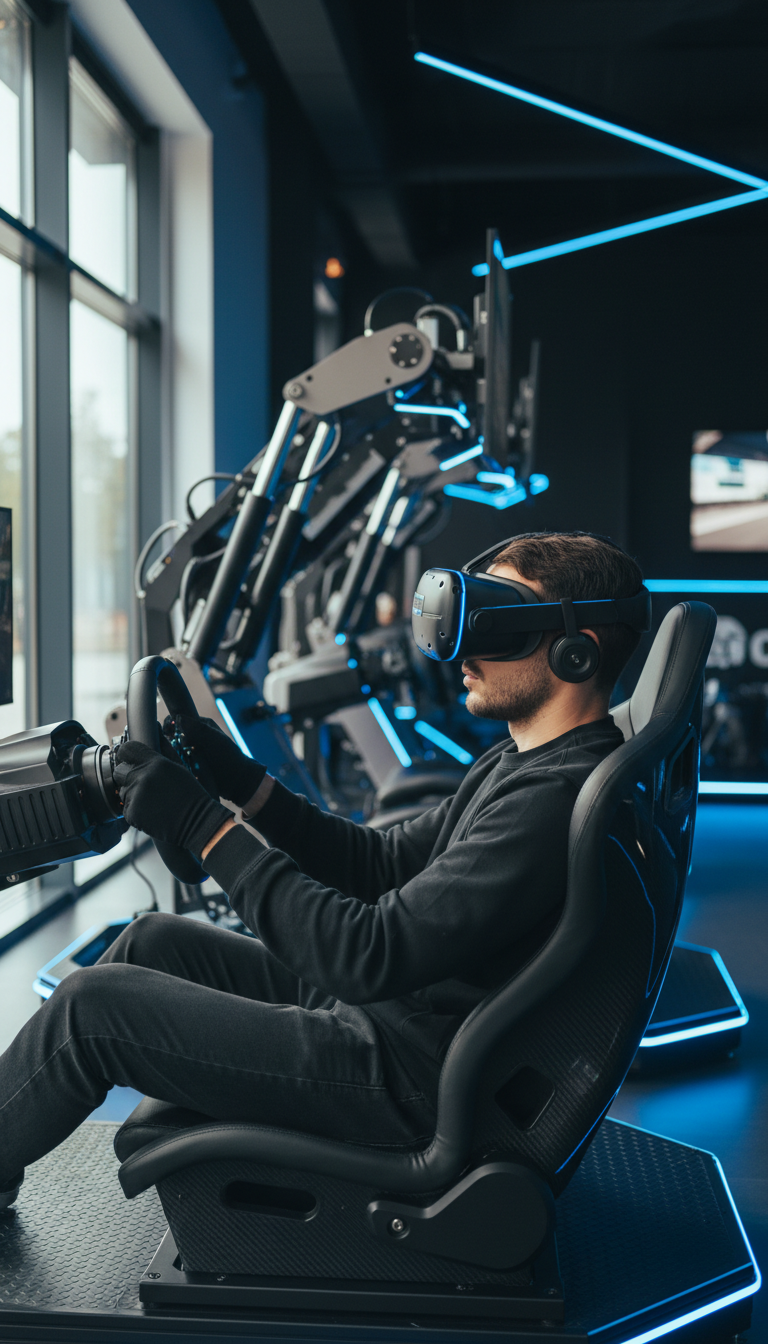
One of the most significant impacts of VR game development is the heightened level of user engagement. Unlike traditional gaming, VR offers an interactive experience where players are not just passive observers but active participants. This level of engagement keeps players immersed longer and encourages deeper connections with the game's narrative and characters.
Developers are leveraging VR to create environments that respond to a player’s movements and actions in real-time. This interaction creates a sense of presence, making the virtual world feel more real and personal. As a result, gamers often report feeling more emotionally invested in VR experiences compared to traditional gaming.
Diversification of Entertainment Options
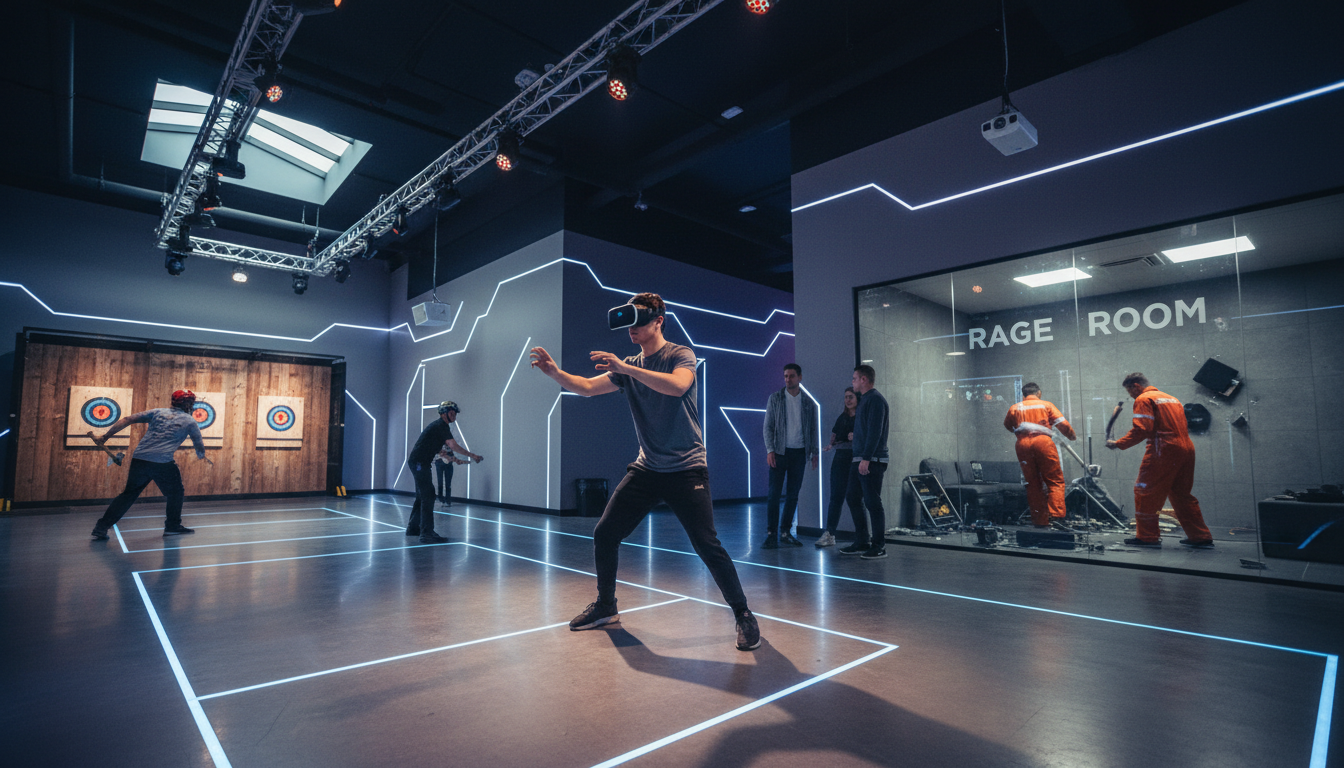
VR is expanding the possibilities within the entertainment sector by diversifying the types of content available to consumers. Beyond gaming, VR is being used in virtual concerts, theme park attractions, and even theater performances. This diversification opens up new avenues for artists and developers to create unique experiences that blend traditional forms of entertainment with cutting-edge technology.
Advancements in Technology
The rapid development of VR technology has played a crucial role in its integration into the entertainment industry. Improved graphics, more intuitive controls, and enhanced sensory feedback are making VR experiences more accessible and enjoyable for a wider audience. These advancements are continually pushing the boundaries of what is possible in virtual environments.
Moreover, the decreasing cost of VR hardware is making it more accessible to consumers, allowing more people to experience the benefits of VR entertainment. As the technology becomes more mainstream, we can expect further innovations that will continue to shape the future of entertainment.
Challenges and Opportunities
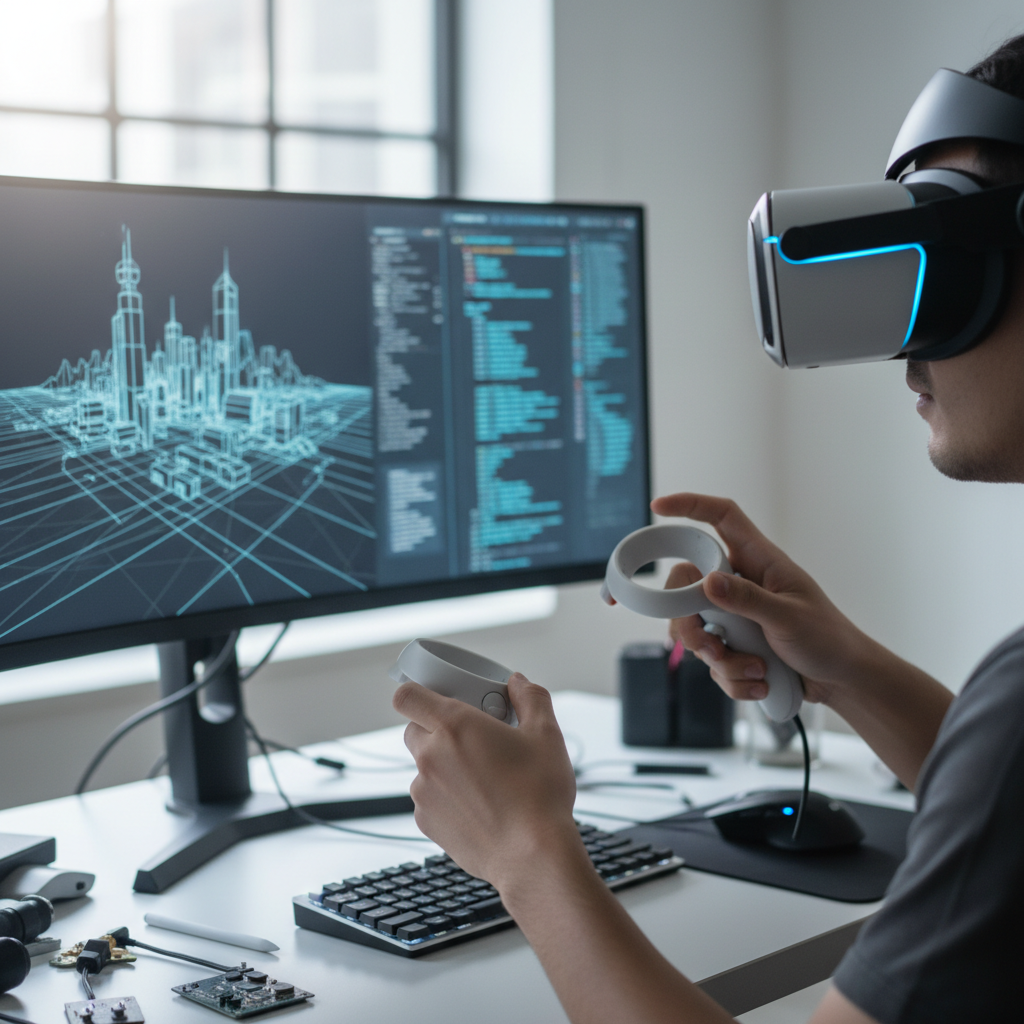
While VR game development offers many exciting opportunities, it also presents several challenges. Developers must consider issues such as motion sickness, hardware limitations, and the need for compelling content to keep users engaged. However, these challenges also present opportunities for innovation and improvement within the industry.
As developers continue to address these challenges, the potential for VR to revolutionize entertainment grows. The ongoing evolution of VR technology promises to deliver even more captivating and interactive experiences, making it an integral part of the entertainment landscape.
The Future of VR in Entertainment
Looking ahead, the future of VR in the entertainment industry is bright. As technology continues to advance, we can expect even more sophisticated and immersive experiences. The integration of artificial intelligence and machine learning with VR could lead to personalized and adaptive content, further enhancing user engagement.
In conclusion, VR game development is not just a trend but a transformative force reshaping the entertainment industry. Its ability to provide immersive, engaging, and diverse experiences ensures its continued growth and relevance in the years to come.