How Virtual Reality is Revolutionizing Education


The Rise of Virtual Reality in Education
Virtual Reality (VR) is rapidly transforming the educational landscape, offering innovative ways to engage students and enhance learning experiences. With the advent of VR technology, educators can immerse students in interactive environments that were previously unimaginable.
Enhancing Engagement and Retention
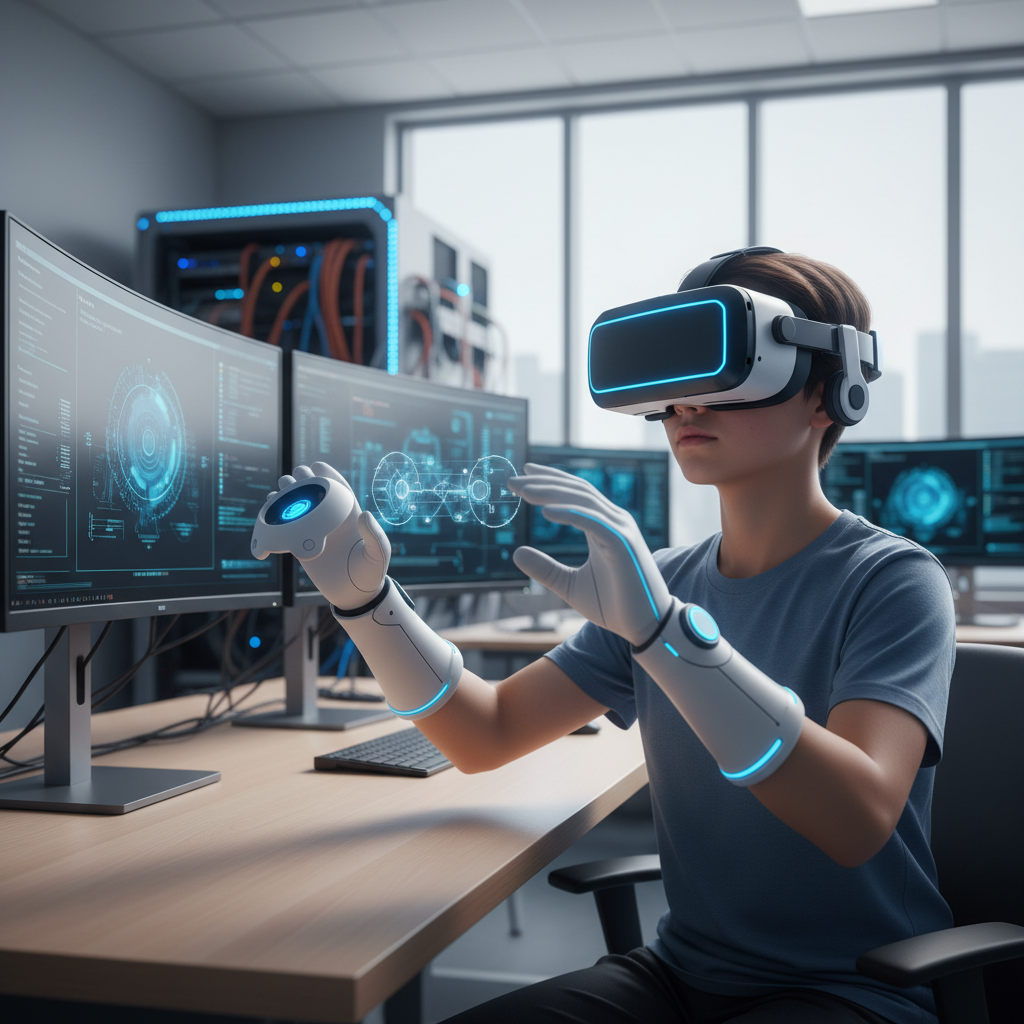
One of the most significant benefits of VR in education is its ability to boost student engagement. By creating immersive learning environments, VR can capture students' attention and foster deeper understanding. Studies have shown that interactive experiences can significantly improve information retention compared to traditional teaching methods.
For example, students studying history can virtually travel to ancient civilizations, experiencing the sights and sounds of the past. This immersive approach makes learning more relatable and memorable.
Expanding Access to Resources
VR technology can democratize education by providing access to resources that might be geographically or financially out of reach. Schools in remote areas can offer their students virtual field trips to museums, laboratories, and cultural sites worldwide, broadening their educational horizons.
Personalized Learning Experiences
With VR, education can be tailored to individual learning styles and paces. Interactive simulations allow students to learn through trial and error in a safe environment. This personalized approach can address different learning needs, helping students grasp complex concepts more effectively.
For instance, in science classes, students can conduct virtual experiments, manipulating variables and observing outcomes without the constraints of time or resources.
Fostering Collaboration and Communication
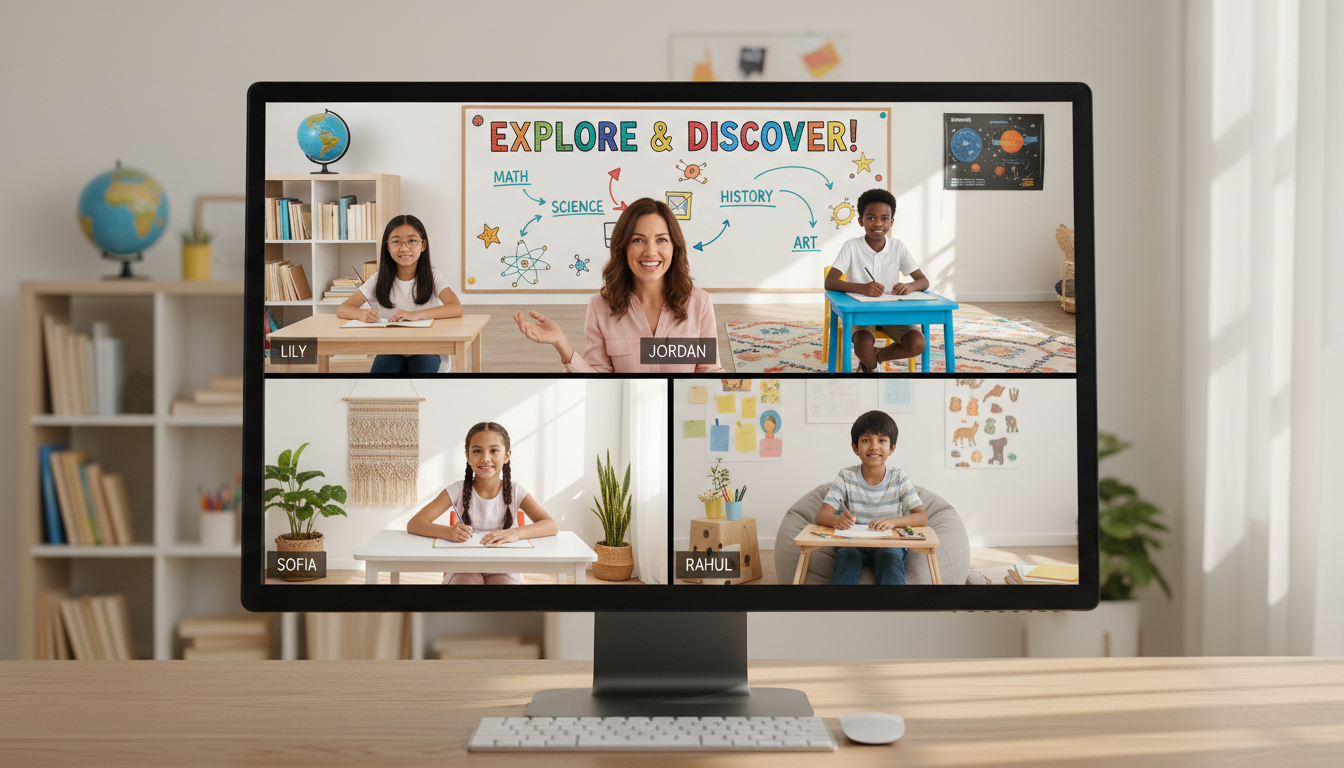
VR also promotes collaboration and communication among students. Virtual classrooms and group projects encourage teamwork and problem-solving skills. Students can work together in a shared virtual space, regardless of their physical location, fostering a sense of community and collaboration.
Challenges and Future Prospects
While VR presents numerous benefits, there are challenges to its widespread adoption. These include the cost of VR equipment, the need for technical support, and concerns about screen time. However, as technology advances, these challenges are gradually being addressed.
Looking ahead, the future of VR in education is promising. Continued innovations will likely lead to more affordable and accessible solutions, further integrating VR into everyday learning environments.
Conclusion
Virtual Reality is undeniably revolutionizing education by making learning more engaging, accessible, and personalized. As educators and institutions embrace this technology, the potential for enhanced educational experiences continues to grow. The integration of VR in education marks a significant shift towards a more interactive and inclusive future.