How to Create Immersive Storytelling Experiences in VR Games


In the realm of virtual reality (VR), storytelling takes on entirely new dimensions. The immersive nature of VR allows players to experience narratives in ways previously unimaginable. Crafting compelling stories in VR games requires a unique blend of creativity, technology, and user-centric design.
Understanding the Power of Immersion
Immersion is the cornerstone of VR storytelling. Unlike traditional games, VR places players directly within the story, making them an integral part of the narrative. This level of engagement can evoke stronger emotional responses and a deeper connection to the story.
To harness this power, developers need to pay attention to details that enhance immersion, such as realistic environments, interactive elements, and dynamic soundscapes. The goal is to make players feel as though they are truly part of the virtual world.
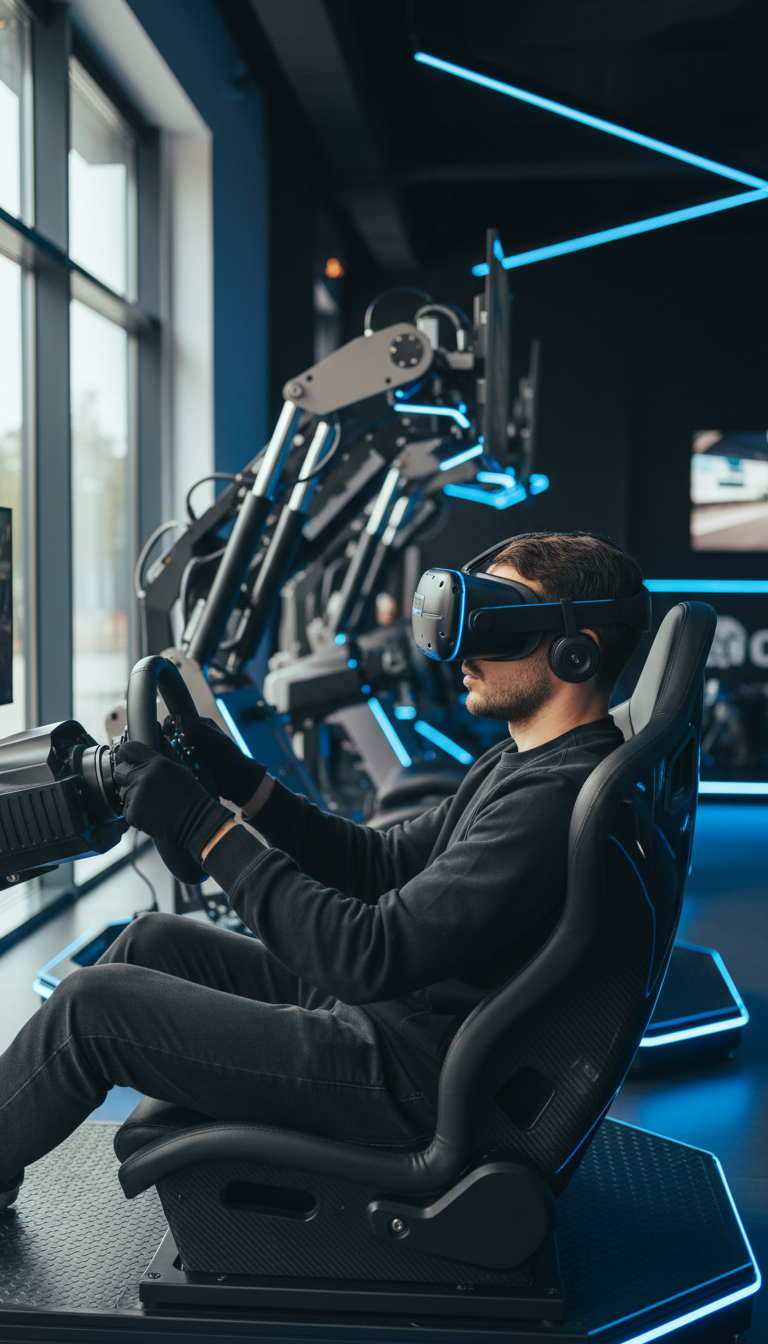
Crafting a Compelling Narrative
A well-crafted narrative is essential for any story-driven game, and VR is no exception. Start by developing a storyline that captivates and resonates with your audience. Consider the unique aspects of VR, such as the ability for players to explore the world at their own pace, and weave this into the narrative structure.
Character Development
Characters should be multidimensional and relatable. Players should feel invested in the characters’ journeys. Utilize VR’s capabilities to allow players to interact with characters in meaningful ways, enhancing their emotional engagement.

Designing Interactive Environments
The environment in a VR game is not just a backdrop; it’s a crucial component of storytelling. Make sure the world is rich with details that tell their own stories, from the architecture to the ambient sounds. These elements can provide context and depth to the narrative.
Environmental Storytelling
Implement environmental storytelling by embedding clues and narrative elements within the game world. This can include hidden messages, interactive objects, and evolving landscapes that respond to player actions. Such features not only enrich the story but also encourage exploration and discovery.

Utilizing Sound and Music
Sound and music play a pivotal role in creating an immersive experience. A well-designed audio landscape can guide emotions, build tension, and enhance the storytelling. Utilize spatial audio to create a more realistic and engaging environment.
Consider how music can influence the narrative flow. Dynamic soundtracks that adapt to the player’s actions can significantly impact the emotional tone of a scene, drawing players deeper into the story.
Incorporating Player Choice
VR games have the unique ability to offer players genuine agency in the narrative. By incorporating meaningful choices, players can influence the story’s outcome, leading to multiple endings and a personalized experience.
Ensure that these choices are impactful and clearly affect the direction of the story. This not only increases replayability but also deepens the player's investment in the narrative.

Creating immersive storytelling experiences in VR games is a complex yet rewarding endeavor. By focusing on immersion, narrative, environment, sound, and player agency, developers can craft engaging stories that resonate deeply with players, leaving a lasting impression.