How to Choose the Right VR System for Your Needs


Understanding Your Purpose
Choosing the right VR system starts with understanding why you need it. Are you an avid gamer looking for immersive experiences, or are you a business professional seeking VR for training purposes? Identifying your primary use will guide you towards a system that meets your requirements. For instance, gaming systems often require high resolution and fast refresh rates, while business applications may prioritize ease of use and integration capabilities.
Compatibility and System Requirements
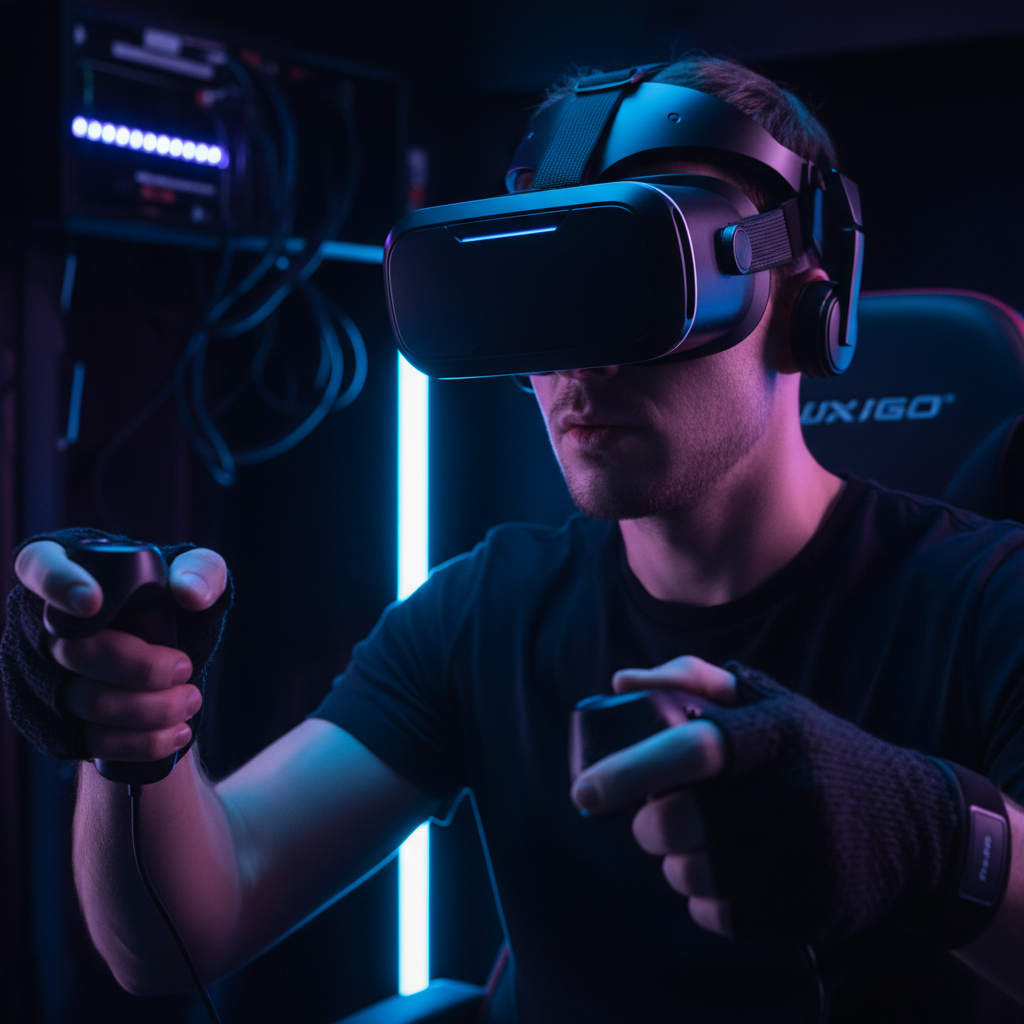
Before purchasing a VR system, check its compatibility with your existing hardware. Some VR systems require powerful PCs with high-end graphics cards, while others may work with gaming consoles or even standalone. Research the system requirements and ensure your current setup can handle the VR system's demands. This step can save you from unexpected additional costs and ensure a smooth VR experience.
Types of VR Systems
VR systems generally fall into three categories: PC-based, console-based, and standalone. PC-based systems generally offer superior graphics and performance but require a powerful computer. Console-based systems are easier to set up and are often more affordable. Standalone systems offer the convenience of portability and ease of use without needing extra devices. Consider which type aligns with your needs and budget.
Budget Considerations
VR systems can vary significantly in price. Establishing a budget beforehand can help narrow down your options. Keep in mind that cost doesn’t just include the headset; you may need additional accessories for a complete setup, such as controllers, sensors, or even a new computer or console. Consider both the initial purchase and any ongoing costs for software and upgrades.
Content Availability
The availability of content is a crucial factor when choosing a VR system. Some platforms offer a broader range of games, apps, and experiences than others. Research the types of content available for different VR systems and ensure they align with your interests. Whether it’s gaming, educational content, or virtual tours, having a wide selection enhances your VR experience.

User Experience and Comfort
Comfort is essential for enjoying VR, especially for extended periods. Look for systems that offer adjustable headsets, comfortable padding, and lightweight designs. Additionally, consider the ease of setup and user interface. A system that’s easy to use will make your VR experience more enjoyable and reduce the learning curve for first-time users.
Future-Proofing Your Investment
VR technology is rapidly evolving, so it’s wise to consider the future potential of your investment. Look for systems with regular software updates and a robust developer community. Features like modular upgrades or compatibility with future accessories can extend the lifespan of your VR system, providing better value over time.
Conclusion
Choosing the right VR system requires careful consideration of various factors, from compatibility and content to budget and comfort. By clearly defining your needs and evaluating your options, you can select a VR system that provides a fulfilling and long-lasting experience. Remember to research thoroughly and consider trying out systems in-store before making your final decision.