Harnessing VR for Corporate Training: Benefits and Best Practices


Introduction to VR in Corporate Training
Virtual Reality (VR) is revolutionizing the corporate training landscape, offering immersive experiences that enhance learning and skill development. By placing employees in a simulated environment, VR provides hands-on practice that traditional methods often lack. This technology is not just a trend; it's a powerful tool for fostering engagement and retention.

The Benefits of VR in Training
Enhanced Engagement
One of the primary advantages of VR in corporate training is the heightened level of engagement. Unlike conventional training sessions, VR captures the learner’s full attention, making the experience more memorable and effective. This immersive approach translates to better knowledge retention and application.
Cost-Effectiveness
Though the initial investment in VR technology can be significant, the long-term savings are substantial. Companies can reduce costs associated with travel, accommodation, and physical materials. Moreover, VR allows for consistent training delivery, ensuring all employees receive the same quality of education.
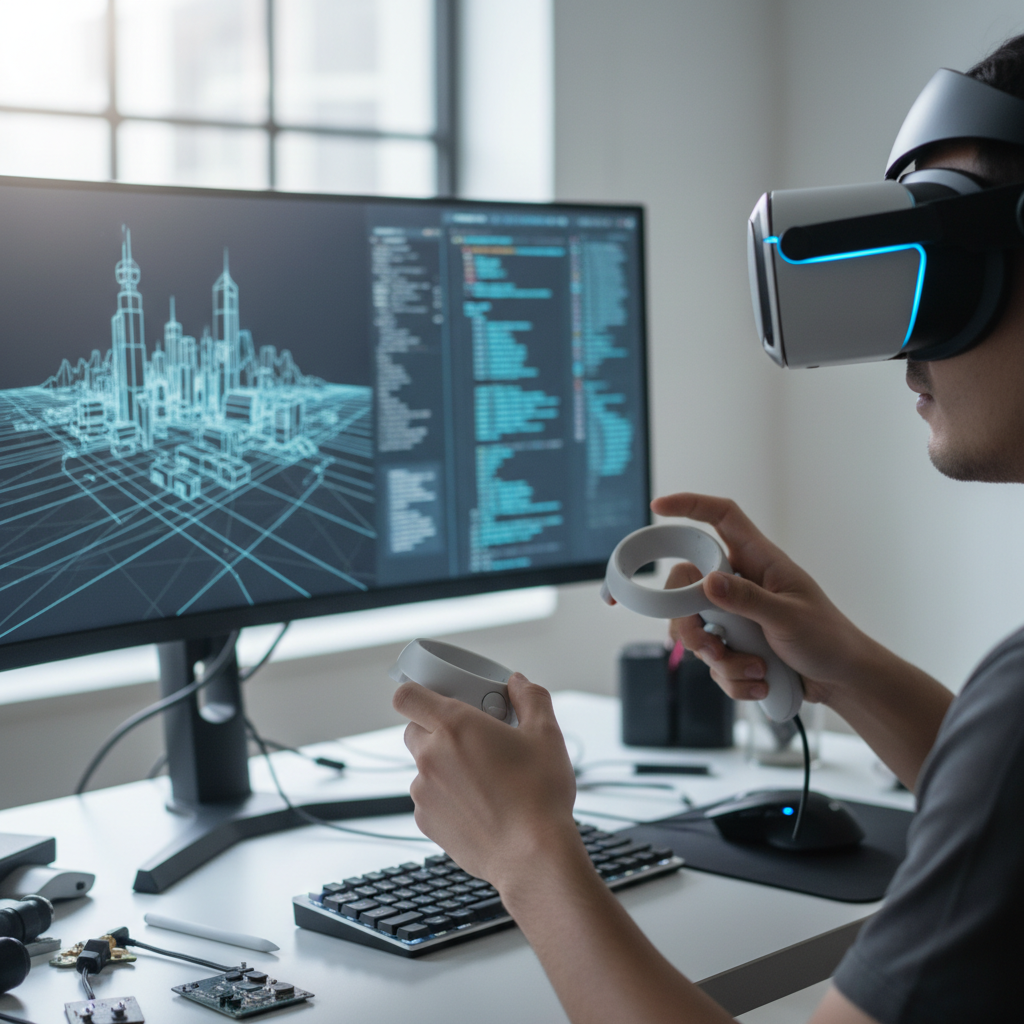
Best Practices for Implementing VR Training
Start with a Pilot Program
Before a full-scale rollout, it's wise to begin with a pilot program. This allows organizations to evaluate the effectiveness of VR training in a controlled setting, gather feedback, and make necessary adjustments. A pilot program minimizes risk and helps in tailoring the VR experience to meet specific organizational needs.
Integrate with Existing Training
VR should complement, not replace, traditional training methods. By integrating VR with existing programs, companies can create a blended learning environment that maximizes the strengths of both approaches. This integration ensures a comprehensive training experience that addresses various learning styles.

Overcoming Challenges
Addressing Technical Issues
Technical challenges are inevitable when implementing new technology. Companies must ensure they have the necessary infrastructure and support to handle potential issues. This includes investing in reliable hardware and software, as well as providing technical support to troubleshoot any problems that arise.
Ensuring Accessibility
To maximize the impact of VR training, it’s crucial to ensure that the technology is accessible to all employees. This includes considering potential physical and cognitive barriers and providing necessary accommodations. By prioritizing accessibility, organizations can create an inclusive training environment.
Conclusion
Harnessing VR for corporate training offers numerous benefits, from enhanced engagement to cost savings. By following best practices and addressing potential challenges, companies can successfully integrate this innovative technology into their training programs. As VR continues to evolve, its role in corporate education is set to expand, paving the way for more dynamic and effective learning experiences.