Facility13: Dark Descent – Behind the Scenes of a VR Horror Experience


Unraveling the Mysteries of Facility13: Dark Descent
Facility13: Dark Descent is not just another VR horror game; it’s a chilling journey into the unknown. This immersive experience has been crafted to grip players from start to finish, plunging them into a world where every shadow hides a secret. But what goes into creating such a spine-tingling adventure?
The Conceptualization Phase
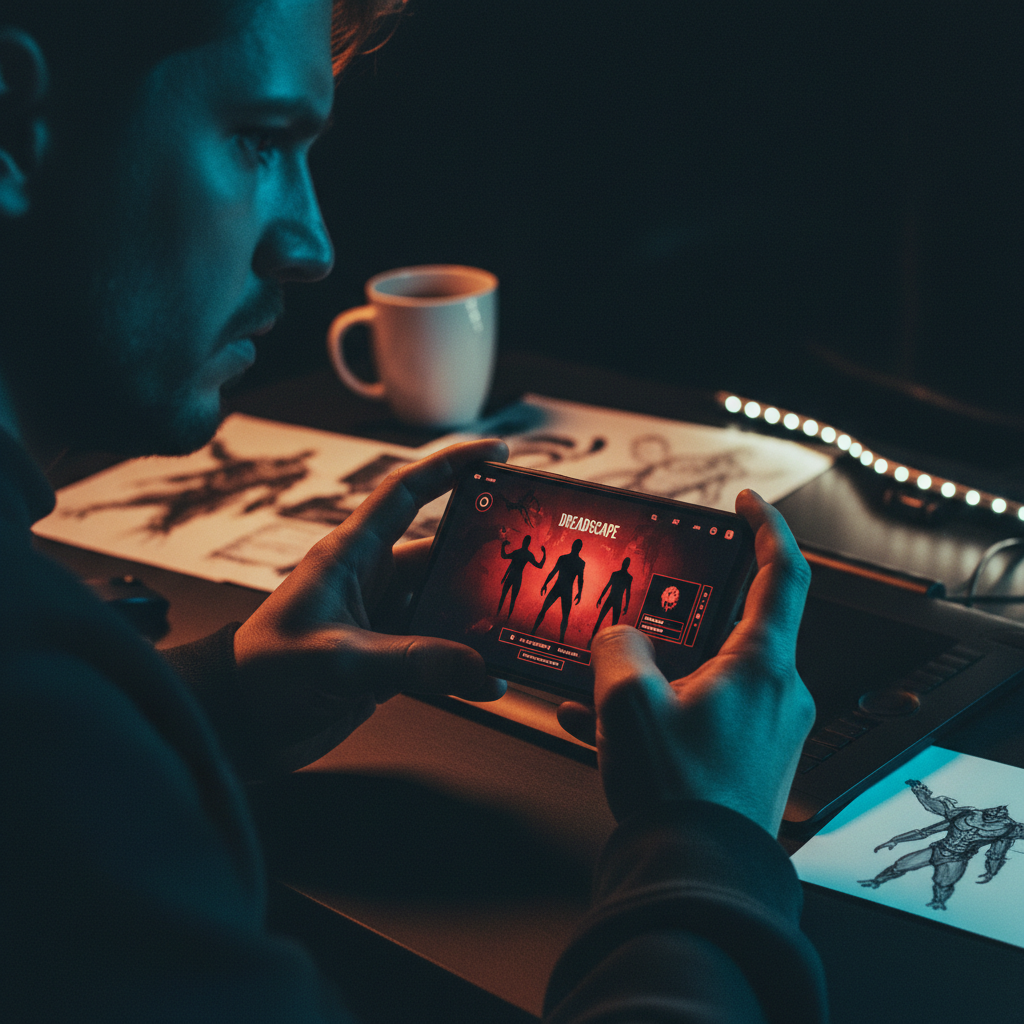
The creation of Facility13 began with a simple yet daunting question: How can we redefine horror in virtual reality? The team brainstormed ideas, drawing inspiration from classic horror films and literature. Their goal was to create a storyline that not only terrifies but also captivates. Key elements such as psychological tension and atmospheric dread were prioritized to ensure an unforgettable experience.
Designing the Dark World
Designing the environment of Facility13 was a complex process that involved meticulous attention to detail. The team used state-of-the-art technology to develop realistic textures and lighting effects. Every corner of the facility was crafted to evoke a sense of isolation and fear, ensuring players feel truly trapped within its eerie corridors.

The sound design plays a crucial role in enhancing the horror experience. Subtle ambient noises, sudden shrieks, and haunting music work together to keep players on edge. The use of spatial audio technology allows sounds to come from specific directions, adding a layer of realism that makes the game even more immersive.
Interactive Storytelling
Unlike traditional horror games, Facility13: Dark Descent focuses heavily on interactive storytelling. Players are not mere spectators; they are active participants in the story. Choices made by players influence the narrative, leading to multiple possible endings. This dynamic storytelling approach ensures that each playthrough is unique.
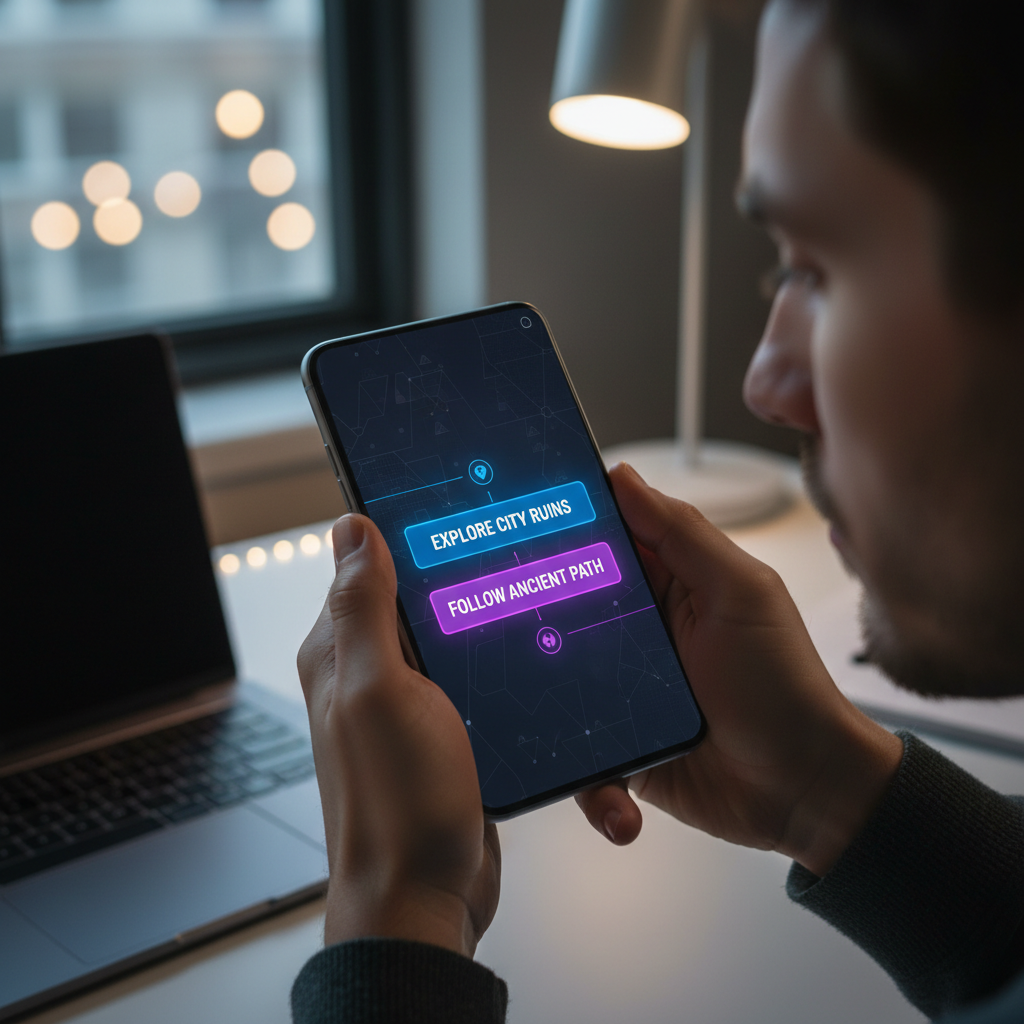
The development team utilized advanced AI to create responsive environments and characters. This AI-driven approach allows for realistic interactions, making players feel like every choice and action has a consequence. The unpredictability of the game keeps players engaged and constantly guessing what will happen next.
The Challenges of VR Horror
Developing a VR horror game presents unique challenges. Motion sickness, for instance, is a common concern. The team implemented several techniques to minimize discomfort, such as optimizing frame rates and incorporating teleportation movement options. Ensuring player comfort was essential to maintaining immersion without sacrificing the horror elements.
Feedback and Iteration
Feedback from beta testers was invaluable in refining Facility13. The team conducted numerous testing phases to gather insights on player reactions and preferences. Iterative design allowed them to make necessary adjustments, enhancing gameplay mechanics and narrative elements based on real-world feedback.
Facility13: Dark Descent stands as a testament to the power of innovation in gaming. By seamlessly blending cutting-edge technology with compelling storytelling, it offers an experience that is both terrifying and exhilarating. As VR technology continues to evolve, the boundaries of horror games will undoubtedly be pushed even further.
For fans of the horror genre, Facility13 promises a journey unlike any other, where the dark descent into fear is only a headset away. Whether you're a seasoned gamer or a newcomer to VR, prepare yourself for an adventure that will leave you questioning what's lurking in the shadows.