Exploring the Future: How UK-Based Virtual Reality Innovations Are Transforming Education


Introduction to Virtual Reality in Education
The landscape of education is rapidly evolving, with technology playing a pivotal role in shaping how students learn and interact with information. Among these technological advancements, virtual reality (VR) stands out as a transformative force. In the UK, innovators are leading the way in integrating VR technology into educational settings, offering immersive and interactive learning experiences that were once the stuff of science fiction.
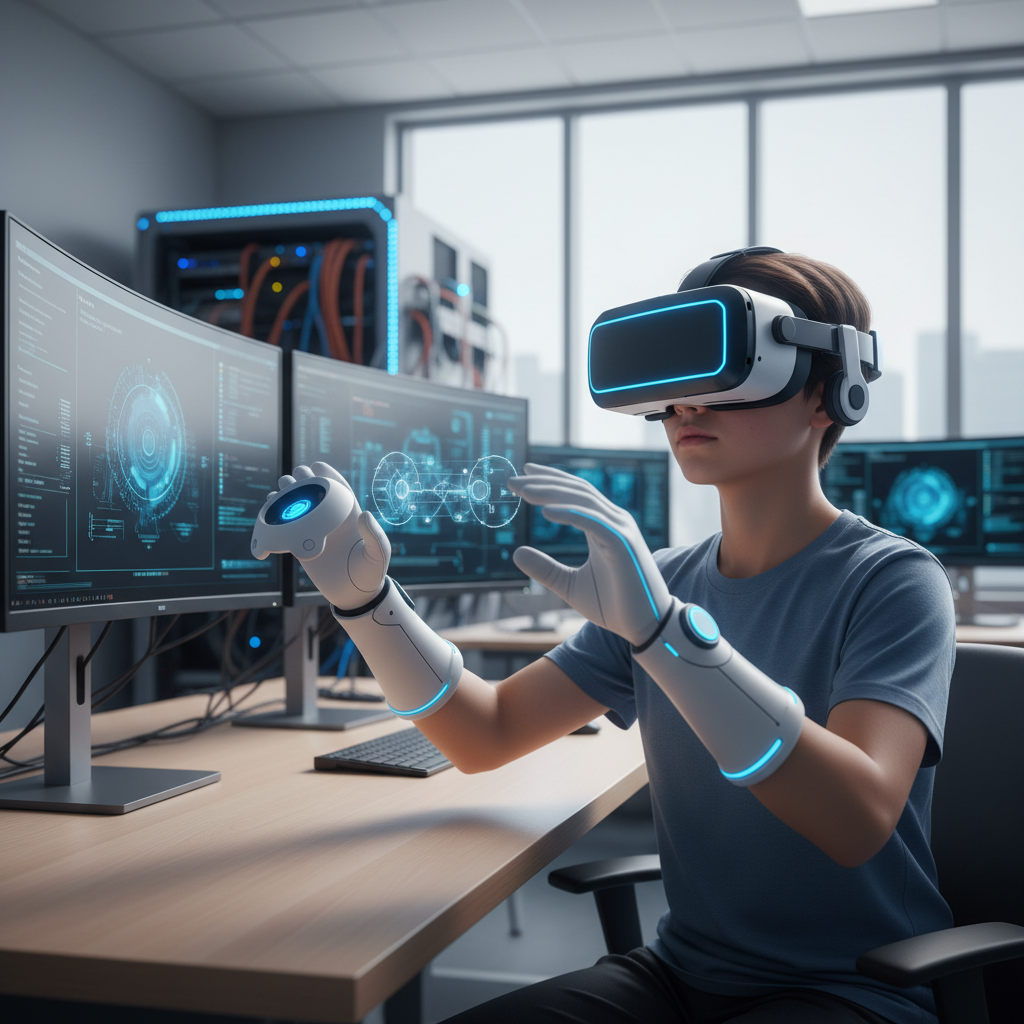
Enhancing Engagement Through Immersive Learning
One of the most significant benefits of incorporating VR into education is the increased level of student engagement. Traditional teaching methods can sometimes fail to capture the attention of digital-native students. However, VR creates an immersive environment where students can explore complex subjects in a more engaging and interactive manner. This hands-on approach promotes active learning and helps students retain information more effectively.
Real-World Applications
VR allows students to experience real-world scenarios without leaving the classroom. For instance, history students can visit ancient civilizations, while science students can explore the human body in 3D. This capability makes learning more relatable and can significantly enhance understanding and retention.
Overcoming Educational Barriers
Virtual reality also has the potential to break down educational barriers. It provides access to resources that may be unavailable in the traditional classroom setting. For students in remote areas or those with physical disabilities, VR can offer equal opportunities to explore and learn, bridging the gap in educational inequality.
Cost-Effective Solutions
While VR technology might seem expensive, innovations in the UK are making it more accessible and affordable for educational institutions. By investing in VR, schools can reduce costs related to physical materials and field trips, ultimately providing a more cost-effective solution in the long run.

Future Prospects and Innovations
The future of VR in education looks promising, with ongoing research and development paving the way for even more sophisticated applications. UK-based companies are at the forefront of these innovations, developing new software and hardware that will further enhance the educational experience. As this technology continues to evolve, it is likely to become a staple in classrooms worldwide.
Collaboration and Customization
One of the key trends is the development of collaborative VR environments where students from different locations can interact and learn together. Additionally, customizable VR content allows educators to tailor experiences to meet specific curriculum needs, maximizing the impact on student learning outcomes.
In conclusion, UK-based virtual reality innovations are significantly transforming the educational landscape. By providing immersive, engaging, and equitable learning opportunities, VR is set to revolutionize the way students learn, preparing them for a future where technology plays an integral role in every aspect of life.