Expert Insights: Integrating VR into Classroom Learning for Enhanced Engagement


Revolutionizing Education with Virtual Reality
The integration of Virtual Reality (VR) into classroom learning is transforming how educators engage with students. By providing immersive and interactive experiences, VR has the potential to enhance student engagement and improve learning outcomes. In this article, we delve into expert insights on how VR can be effectively integrated into educational settings.
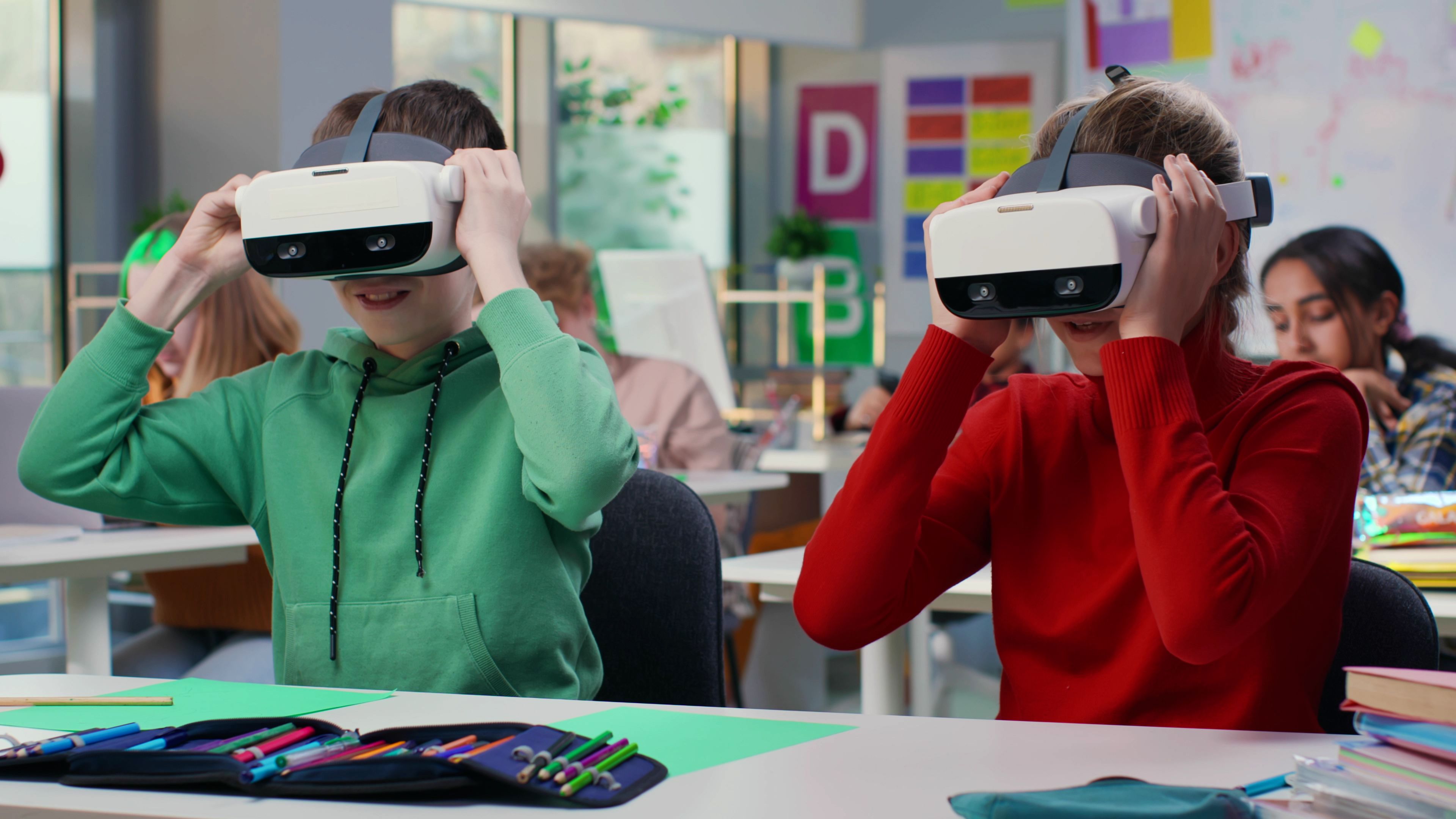
The Benefits of VR in Education
One of the primary advantages of using VR in education is its ability to create an immersive learning environment. This technology allows students to explore new worlds and concepts in a way that is both engaging and memorable. For instance, history lessons can come alive by transporting students to ancient civilizations, while science classes can offer virtual field trips to distant planets.
Additionally, VR can cater to different learning styles. Visual and kinesthetic learners, in particular, can benefit from the 3D visualizations and interactive simulations that VR provides. By offering a diverse range of learning experiences, VR can help ensure that all students stay engaged and motivated.
Implementing VR in the Classroom
Integrating VR into a classroom setting requires careful planning and consideration. Experts suggest starting small by incorporating VR into specific lessons or projects. This approach allows educators to assess the effectiveness of VR and make necessary adjustments before scaling up its use.
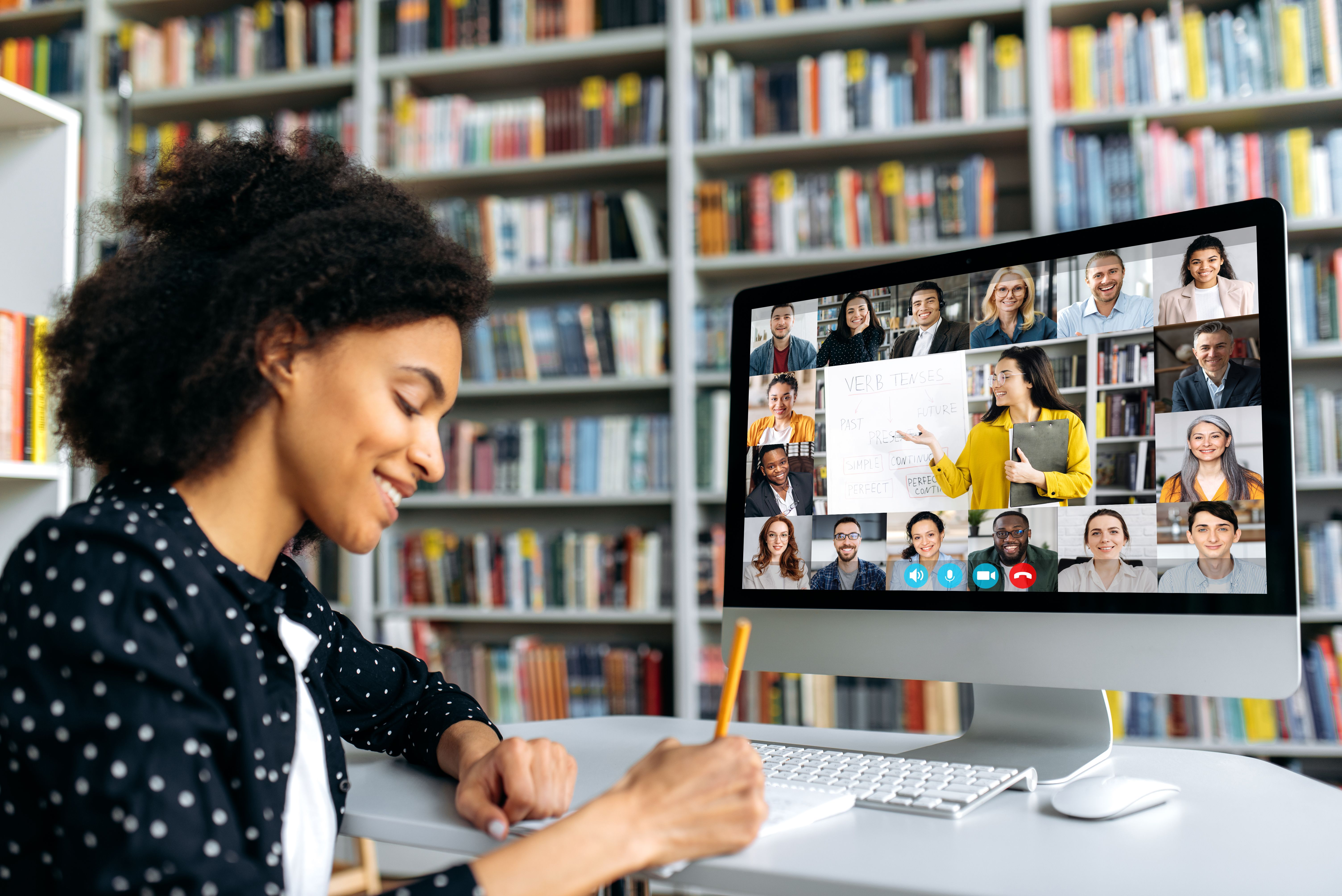
Another important aspect is ensuring that the technology is accessible to all students. Schools may need to invest in VR headsets and compatible devices, but many affordable options are available. Additionally, educators should receive proper training to effectively utilize VR tools and incorporate them into their lesson plans.
Overcoming Challenges
While the benefits of VR in education are clear, there are also challenges to consider. One of the main concerns is the cost of implementing VR technology. Schools must balance their budgets while ensuring they provide students with the best learning tools available.
Moreover, educators need to be mindful of screen time and ensure that VR is used appropriately within the curriculum. Setting clear guidelines and time limits can help prevent potential issues related to excessive use.
Future Prospects
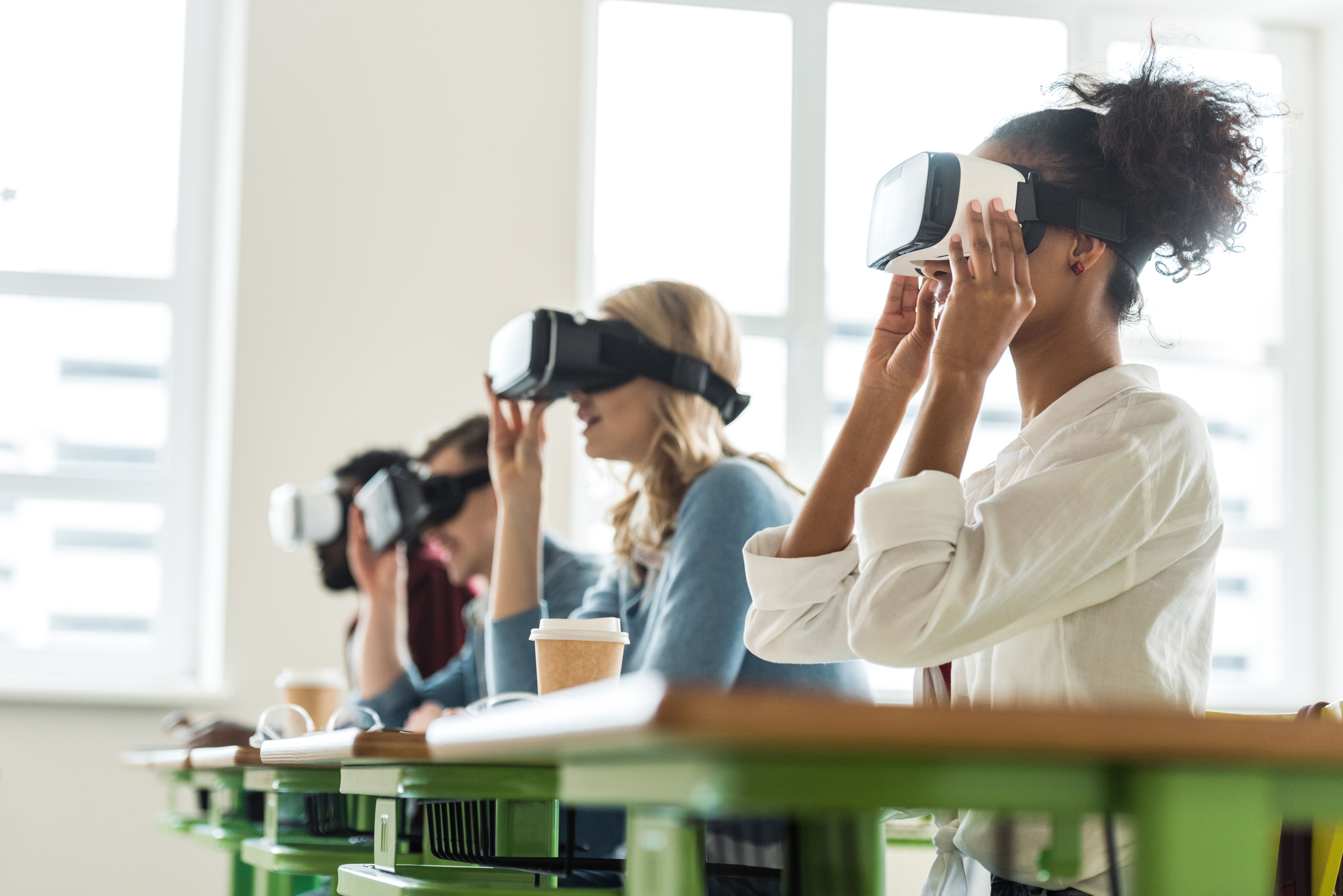
The future of VR in education looks promising. As technology continues to evolve, VR is expected to become even more accessible and effective as a learning tool. Emerging trends include the use of VR for remote learning and collaborations with educational content developers to create tailored experiences.
Experts predict that VR will play a significant role in shaping the future of education by offering students a more engaging, interactive, and personalized learning experience. It's an exciting time for educators and students alike as VR continues to redefine traditional learning methods.