Educational VR: Case Studies in Enhanced Learning


Introduction to Educational VR
Virtual Reality (VR) is revolutionizing the educational landscape by providing immersive learning experiences. From virtual field trips to interactive simulations, VR is enhancing the way students learn and engage with content. In this blog post, we explore several case studies that demonstrate the transformative power of educational VR.
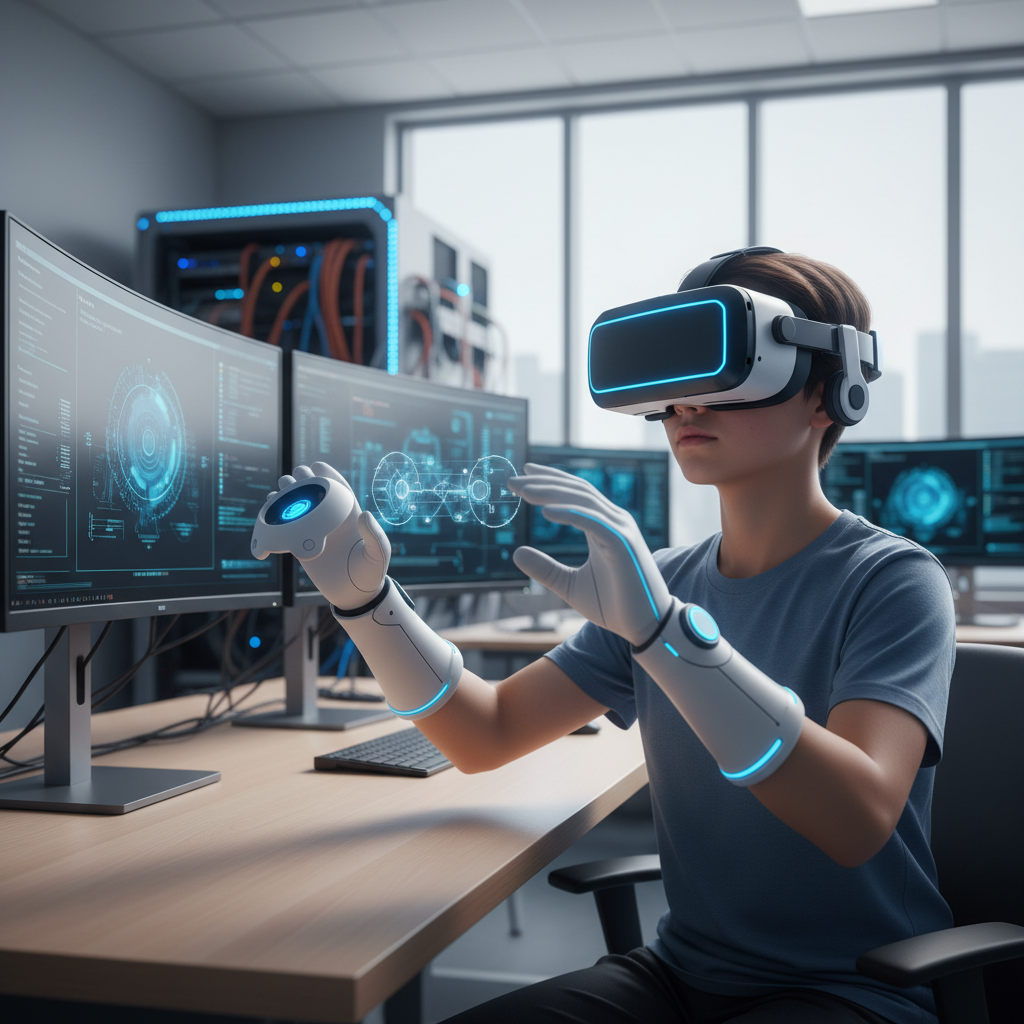
Case Study: Virtual Field Trips
One of the most compelling uses of VR in education is the virtual field trip. Schools can now take students on journeys across the globe without leaving the classroom. For example, a school in California used VR to allow students to explore the Great Barrier Reef. This experience not only enriched their understanding of marine biology but also sparked a deeper interest in environmental conservation.
Virtual field trips can include:
- Historical site visits
- Space exploration
- Natural wonders
Case Study: Interactive Simulations
Interactive simulations offer another avenue for enhanced learning. Medical students at a university in New York have utilized VR to practice surgical procedures in a risk-free environment. These simulations provide a safe space for students to make mistakes and learn from them without real-world consequences.
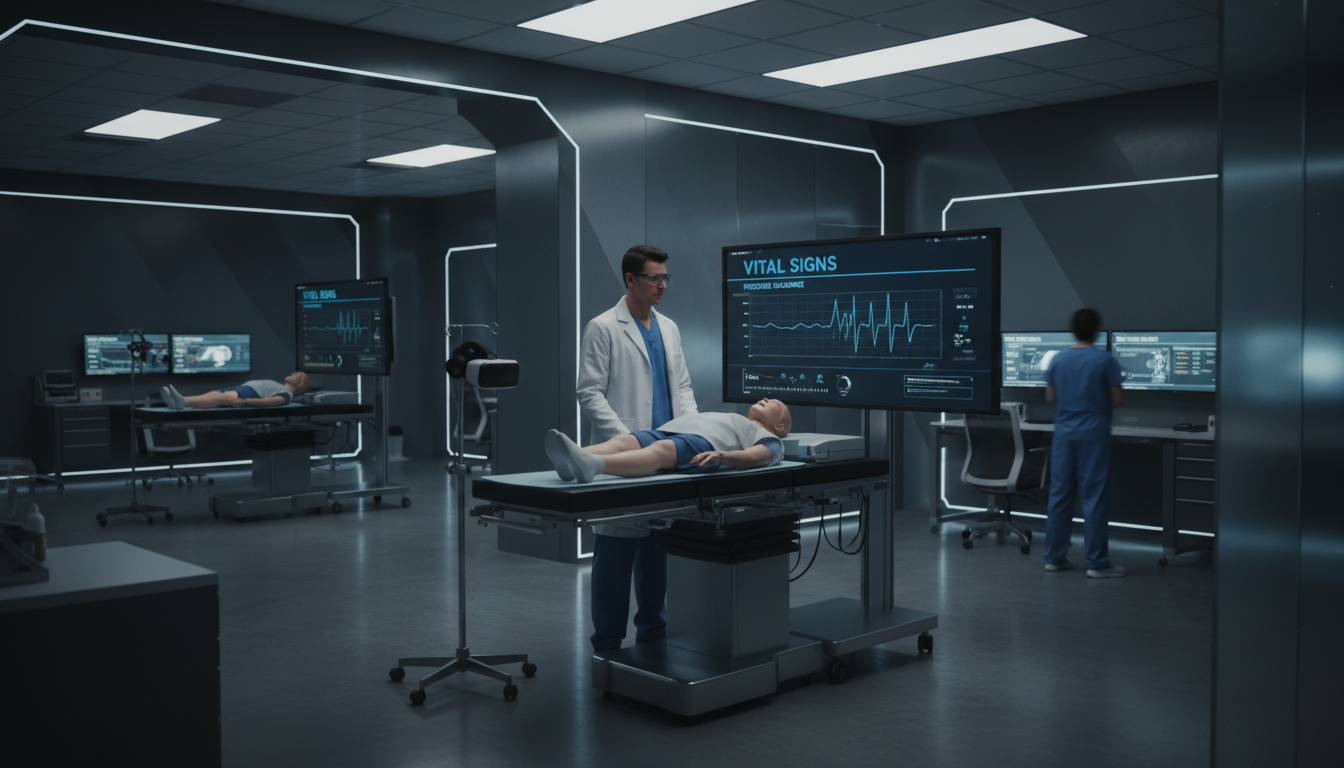
These simulations are beneficial because they:
- Enhance practical skills
- Boost confidence
- Improve retention through hands-on experience
Case Study: Language Immersion
VR is also making waves in language education. A language institute in Japan has implemented VR to create immersive environments where students practice speaking in real-world scenarios. This method has significantly improved conversational skills and increased language retention rates.

Benefits of VR language immersion include:
- Realistic conversational practice
- Exposure to native accents
- Enhanced vocabulary acquisition
Conclusion: The Future of Learning
The case studies presented highlight the versatility and effectiveness of VR in education. As technology continues to advance, the potential for VR to transform learning experiences becomes even greater. By providing students with immersive, interactive, and engaging content, educational VR is paving the way for a more dynamic and effective learning environment.
In summary, educational VR not only enhances learning but also prepares students for a future where technology plays a central role. As more institutions adopt VR, we can expect to see even more innovative applications that will redefine the educational experience.