Cross-Platform VR Development: Maximizing Reach on Quest, Vive, and More


Introduction to Cross-Platform VR Development
Virtual reality (VR) is evolving rapidly, and developers are increasingly focusing on creating experiences that can be accessed across multiple platforms. By targeting devices like the Oculus Quest, HTC Vive, and others, developers can maximize their reach and provide immersive experiences to a broader audience.
Cross-platform VR development involves designing applications that work seamlessly on different hardware and operating systems. This approach not only enhances user engagement but also increases the potential for revenue generation.
Understanding Platform Differences
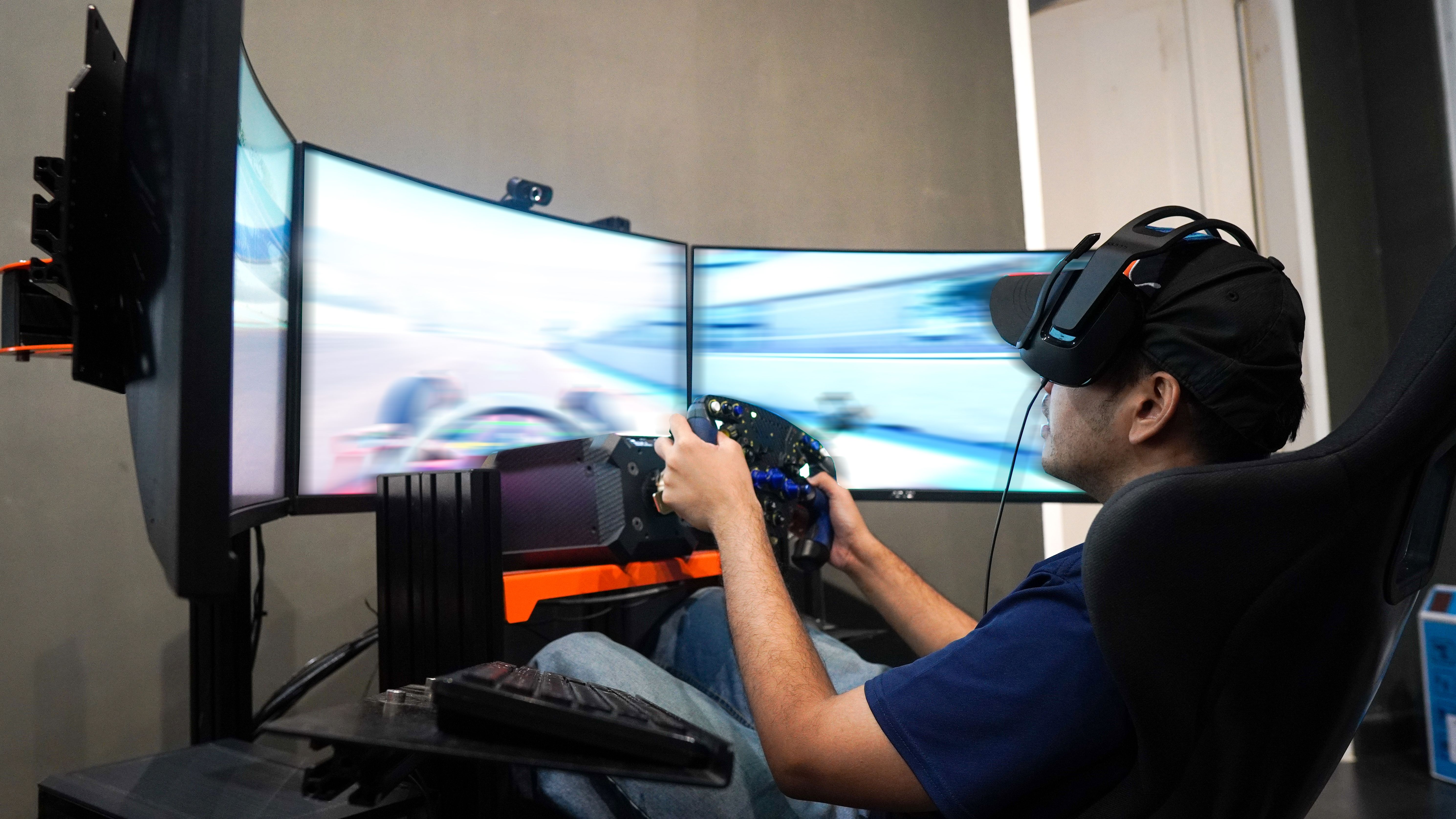
Each VR platform has unique specifications, capabilities, and user bases. For instance, the Oculus Quest is known for its standalone capabilities, allowing users to experience VR without the need for a PC. In contrast, the HTC Vive offers powerful performance but requires a connection to a high-end computer.
Understanding these differences is crucial for developers aiming to create cross-platform VR applications. It involves assessing each platform’s hardware limitations, input methods, and market demographics.
Hardware Limitations
Developers must account for the hardware constraints of each platform. The Quest's standalone nature means it has limited processing power compared to PC-tethered systems like the Vive. Careful optimization is necessary to ensure smooth performance across all devices.

Designing for Multiple User Interfaces
VR platforms offer varied input methods, from hand tracking on the Quest to external controllers for the Vive. Designing an interface that works well across these differing inputs is key to providing a seamless user experience.
Developers should focus on intuitive UI/UX design principles that accommodate the strengths and weaknesses of each device. This might involve creating adaptable layouts or using gesture-based controls where appropriate.
Utilizing Cross-Platform Development Tools
Several tools facilitate cross-platform VR development, such as Unity and Unreal Engine. These engines offer built-in support for multiple VR systems, allowing developers to write code once and deploy it across different platforms. This not only saves time but also ensures consistency in user experience.

Optimizing Performance and Testing
Performance optimization is a critical aspect of cross-platform VR development. Ensuring that applications run smoothly on all target platforms involves extensive testing and tweaking. Developers should employ performance profiling tools to identify bottlenecks and optimize assets accordingly.
Testing is also essential to identify platform-specific issues. By conducting thorough tests on each device, developers can ensure that their applications provide a high-quality experience regardless of the platform.
Future Trends in Cross-Platform VR Development
As the VR industry continues to grow, cross-platform development will become even more crucial. Emerging technologies, such as cloud-based VR streaming, could further break down hardware barriers, allowing users to access high-quality VR experiences on less powerful devices.
Keeping abreast of these trends will enable developers to stay ahead in the competitive VR landscape, providing engaging experiences to a global audience.