Creating Thrilling VR Experiences: The Art of Immersive Storytelling


Understanding Immersive Storytelling in VR
Virtual Reality (VR) has revolutionized the way we experience stories, offering a level of immersion that traditional media simply cannot match. The key to creating thrilling VR experiences lies in the art of immersive storytelling, where users are not just passive observers but active participants in a story. This shift from traditional storytelling to immersive experiences requires a deep understanding of both technology and narrative structure.

Crafting a Compelling Narrative
At the heart of a successful VR experience is a compelling narrative. In VR, the story must be engaging enough to hold the user's attention while providing enough freedom for exploration. Unlike traditional media, where the narrative is linear, VR storytelling often incorporates branching narratives that can lead to multiple outcomes. This interactivity ensures that each user’s journey can be unique and personal.
Utilizing the Power of Presence
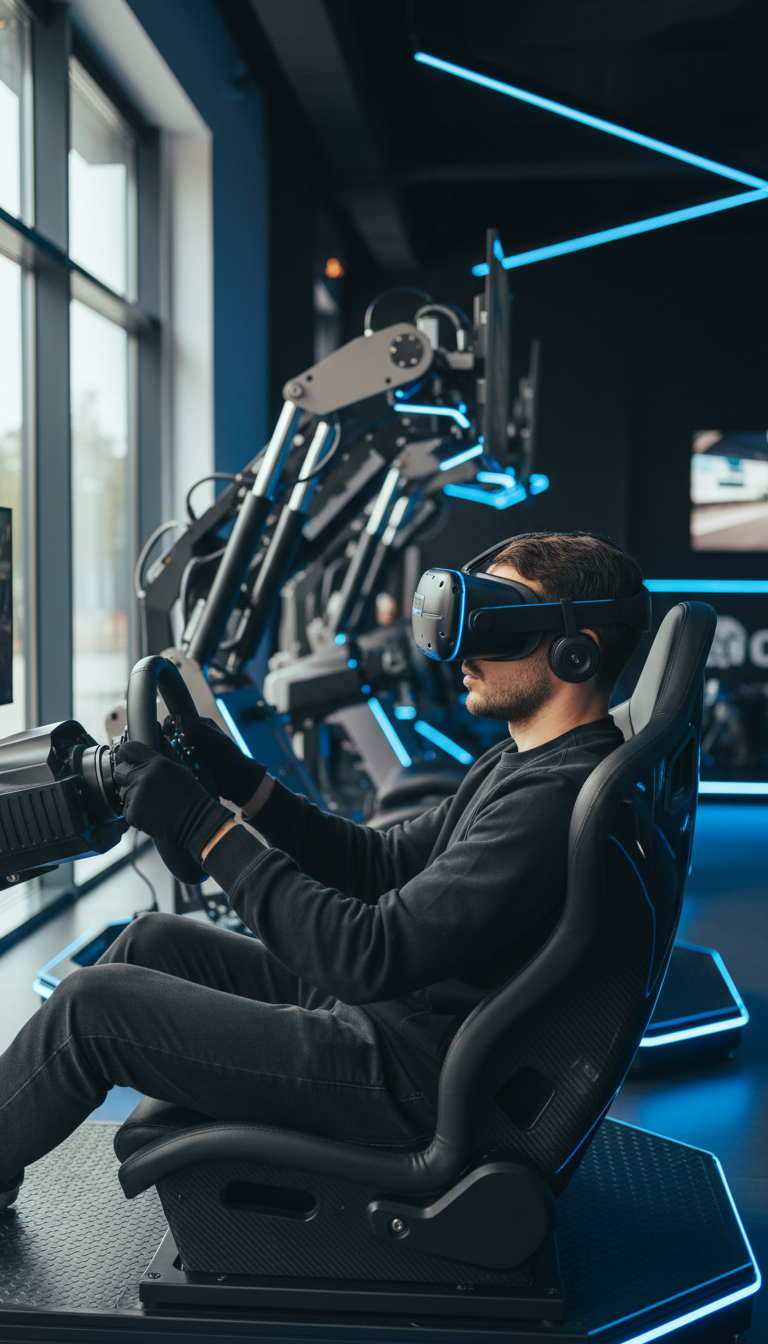
One of the most significant advantages of VR storytelling is the feeling of presence; users feel as if they are truly inside the virtual world. This sense of presence can be enhanced through realistic environments, spatial audio, and interactive elements. By making users feel like they are part of the story, creators can evoke stronger emotional responses and create more memorable experiences.
Designing Interactive Environments
Immersive storytelling also requires meticulously designed environments that encourage exploration and interaction. Every element within the VR space should contribute to the narrative, from the architecture of the location to the ambient sounds. Interactive elements, such as objects that users can manipulate, add layers of depth to the story, allowing users to uncover hidden aspects of the narrative.
The Role of Technology in Storytelling
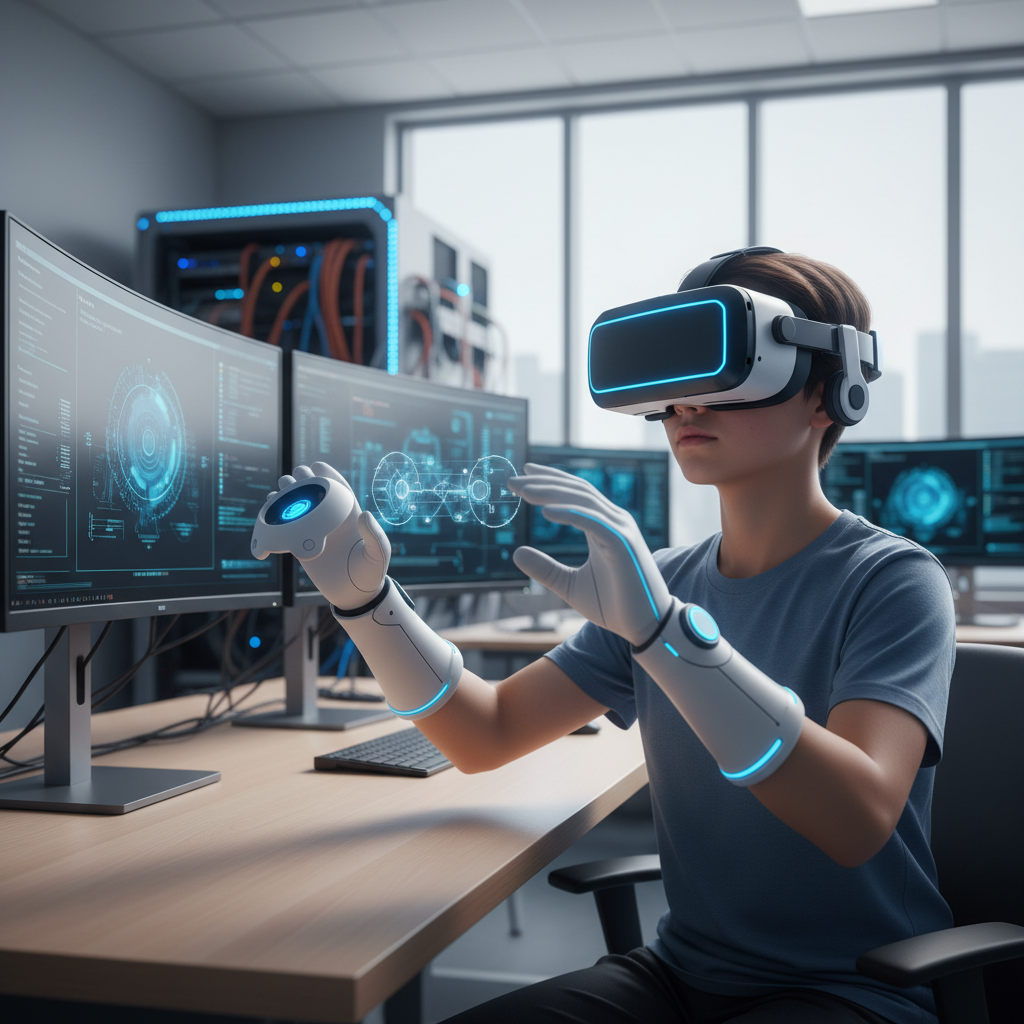
Advanced technology plays a crucial role in the development of VR experiences. High-quality graphics, motion tracking, and haptic feedback devices all contribute to a more immersive experience. As technology continues to evolve, the possibilities for creating even more engaging and realistic VR stories expand, opening new avenues for storytellers to explore.
Challenges in VR Storytelling
Creating immersive VR stories is not without its challenges. One of the primary obstacles is ensuring that the narrative remains coherent despite the interactive nature of VR. This requires careful planning and a deep understanding of user behavior. Additionally, technical limitations such as hardware constraints and user discomfort must be addressed to maintain immersion and engagement.
Future of Immersive Storytelling
The future of immersive storytelling in VR is bright, with endless possibilities for innovation. As more creators and developers explore this medium, we can expect to see even more innovative and thrilling VR experiences. The integration of artificial intelligence and machine learning could lead to more personalized narratives, where the story adapts in real-time to the user’s actions and preferences.
In conclusion, creating thrilling VR experiences through immersive storytelling is an art that blends technology, creativity, and narrative expertise. As the field continues to grow, storytellers who embrace these elements will be at the forefront of delivering unforgettable experiences that captivate and inspire users like never before.