Creating Immersive Storytelling in VR: Techniques and Tips


Introduction to Immersive Storytelling in VR
Virtual Reality (VR) offers a groundbreaking platform for storytelling, allowing creators to immerse audiences in experiences like never before. The ability to engage viewers in a 360-degree space transforms traditional narratives into interactive adventures. This post explores techniques and tips for creating compelling VR stories that captivate and engage.

Understanding the VR Medium
Unlike traditional media, VR provides an immersive environment where users can interact with the story. This requires a different approach to narrative structure. In VR, the audience becomes an active participant, influencing the flow and outcome of the story. Crafting narratives that utilize this interactivity is crucial for an engaging experience.
Emphasizing User Perspective
One of the key aspects of VR storytelling is prioritizing the user’s perspective. The story should be designed to place the user at the center of the action, allowing them to explore and interact with their surroundings. This involves careful attention to character placement, environmental design, and the pacing of interactions.
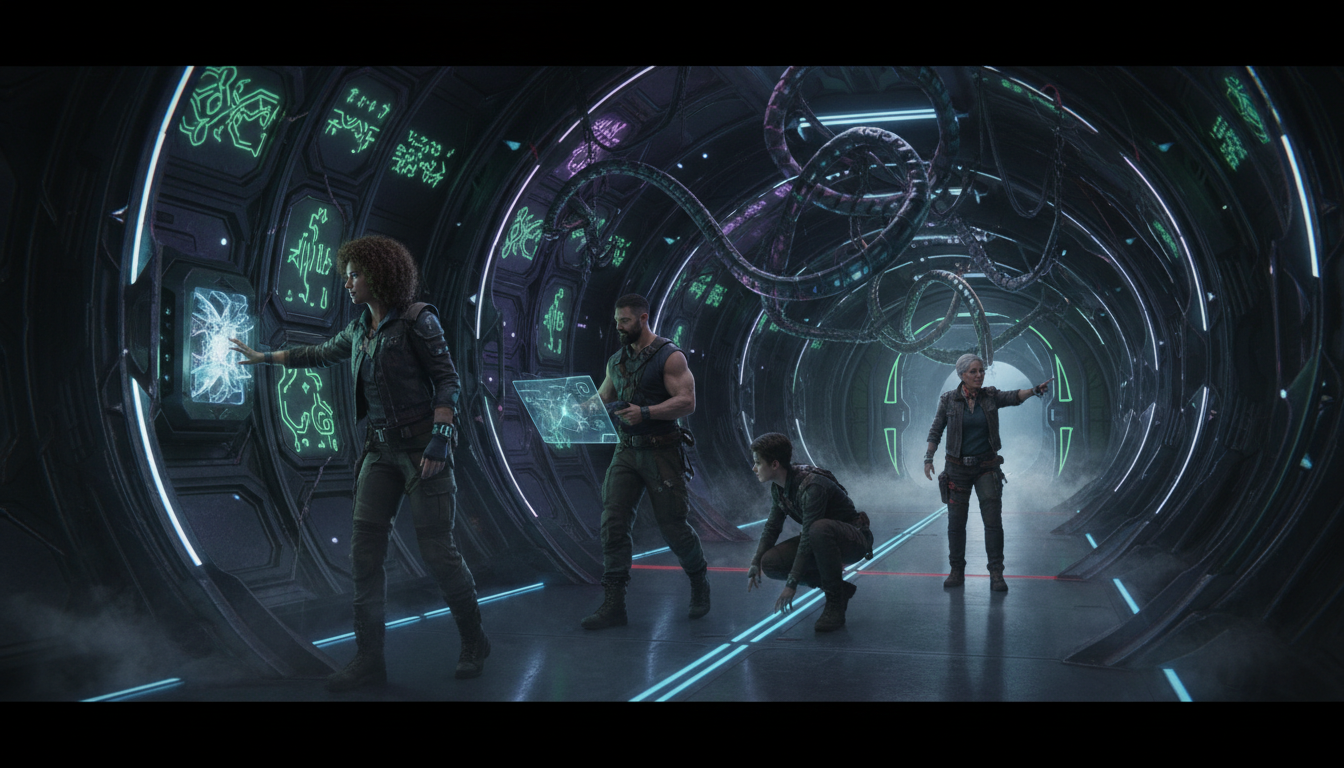
Techniques for Engaging VR Storytelling
To create engaging VR stories, consider these essential techniques:
- Interactive Elements: Incorporate elements that the user can interact with, making them feel part of the narrative.
- Spatial Audio: Use sound to guide the user’s attention and enhance the emotional impact of the story.
- Dynamic Environments: Develop environments that respond to the user's actions, creating a seamless narrative flow.
Building Emotional Connections
Emotional engagement is key to any compelling story. In VR, this can be achieved through character development and meaningful interactions. Characters should feel real and relatable, encouraging users to form emotional connections and become invested in the story's outcome.

Overcoming Challenges in VR Storytelling
While VR presents exciting opportunities, it also comes with challenges. One major challenge is ensuring that the narrative remains engaging without overwhelming the user. Balancing interactivity with story progression is crucial to maintain user interest.
Ensuring Accessibility
Another challenge is accessibility. Not all users may be familiar with VR technology, so stories should be intuitive and easy to navigate. Providing clear instructions and ensuring that interactions are user-friendly can enhance the overall experience.
Conclusion
Creating immersive storytelling experiences in VR requires a blend of creativity, technical skills, and an understanding of the medium’s unique capabilities. By focusing on user perspective, incorporating interactive elements, and building emotional connections, storytellers can craft compelling narratives that captivate and engage modern audiences. As VR technology continues to evolve, the possibilities for immersive storytelling are truly limitless.