Choosing the Right VR System for Your Needs: A Comparison of Quest, Vive, Index, and Pico


Understanding Your VR Needs
Virtual reality (VR) technology has rapidly evolved, offering a range of systems catering to diverse needs and budgets. Whether you're a gamer, developer, or someone simply looking to explore new realms, choosing the right VR system can significantly enhance your experience. With options like Quest, Vive, Index, and Pico available, understanding their unique features and strengths is crucial.
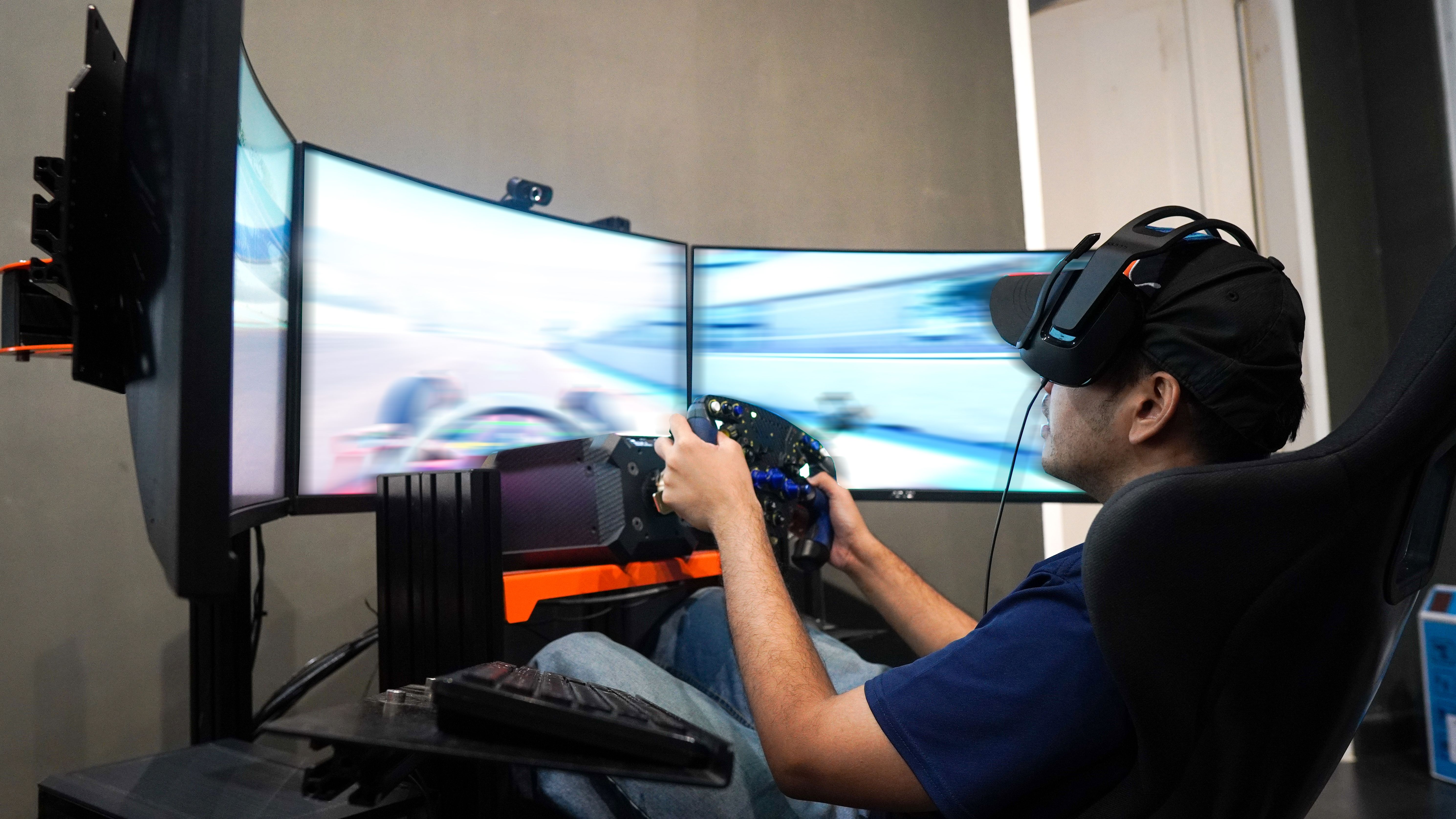
Oculus Quest: The Standalone Powerhouse
The Oculus Quest series has gained popularity for its all-in-one design, eliminating the need for a PC or console. This makes it a fantastic option for those seeking portability and ease of use. The Quest 2, in particular, offers an impressive resolution and a wide range of games and applications via the Oculus Store. Its intuitive setup and wireless freedom make it ideal for casual users and those new to VR.
However, while the Quest's convenience is unmatched, it may not satisfy those looking for high-end graphics or extensive customization options. Its reliance on Facebook accounts for login also raises privacy concerns for some users.
HTC Vive: Immersive Experience with Precision
The HTC Vive series is known for delivering an immersive VR experience with high precision tracking. Ideal for gaming enthusiasts and professionals alike, the Vive offers room-scale tracking that allows users to move freely in a defined space. The Vive Pro provides superior graphics and audio quality, making it a top choice for those prioritizing performance.

Nevertheless, the need for external sensors and a powerful PC can make setup more complex compared to standalone systems like the Quest. Additionally, the initial cost may be higher, but the experience often justifies the investment for serious VR users.
Valve Index: The Premium Option
The Valve Index is renowned for its cutting-edge technology and premium build quality. It features a high refresh rate, precise tracking, and impressive audio fidelity, making it a favorite among enthusiasts seeking top-tier performance. The system's finger-tracking controllers offer a unique level of interaction that enhances immersion.
However, the Valve Index's premium features come at a premium price point. Furthermore, similar to the Vive, it requires a robust PC setup and external sensors, which might not be suitable for everyone.

Pico: The Emerging Contender
Pico VR headsets are gaining traction as a cost-effective alternative with solid performance. While not as well-known as other brands, Pico offers standalone headsets that provide decent graphics and comfort. It's an attractive option for educational purposes or businesses looking to integrate VR without breaking the bank.
One limitation is the smaller library of available apps compared to more established platforms like Oculus or SteamVR. Yet, Pico continues to expand its offerings, making it an interesting choice for those looking to explore VR without a hefty investment.
Making Your Decision
When determining which VR system suits you best, consider factors like budget, intended use, and technical requirements. If portability and ease of use are priorities, the Oculus Quest might be your best bet. For those seeking high-quality graphics and precision tracking, the HTC Vive or Valve Index may be more appropriate.
For newcomers or budget-conscious users, Pico presents a compelling option with its affordability and growing ecosystem. Analyze your needs and weigh them against what each system offers to make an informed decision that will enhance your virtual experiences.