Breaking Common Myths About Virtual Reality in Gaming and Education


Understanding Virtual Reality in Gaming and Education
Virtual reality (VR) has been a buzzword in both gaming and education in recent years. However, along with its growing popularity, various myths and misconceptions have also emerged. It's crucial to debunk these myths to fully appreciate the potential of VR in these fields.
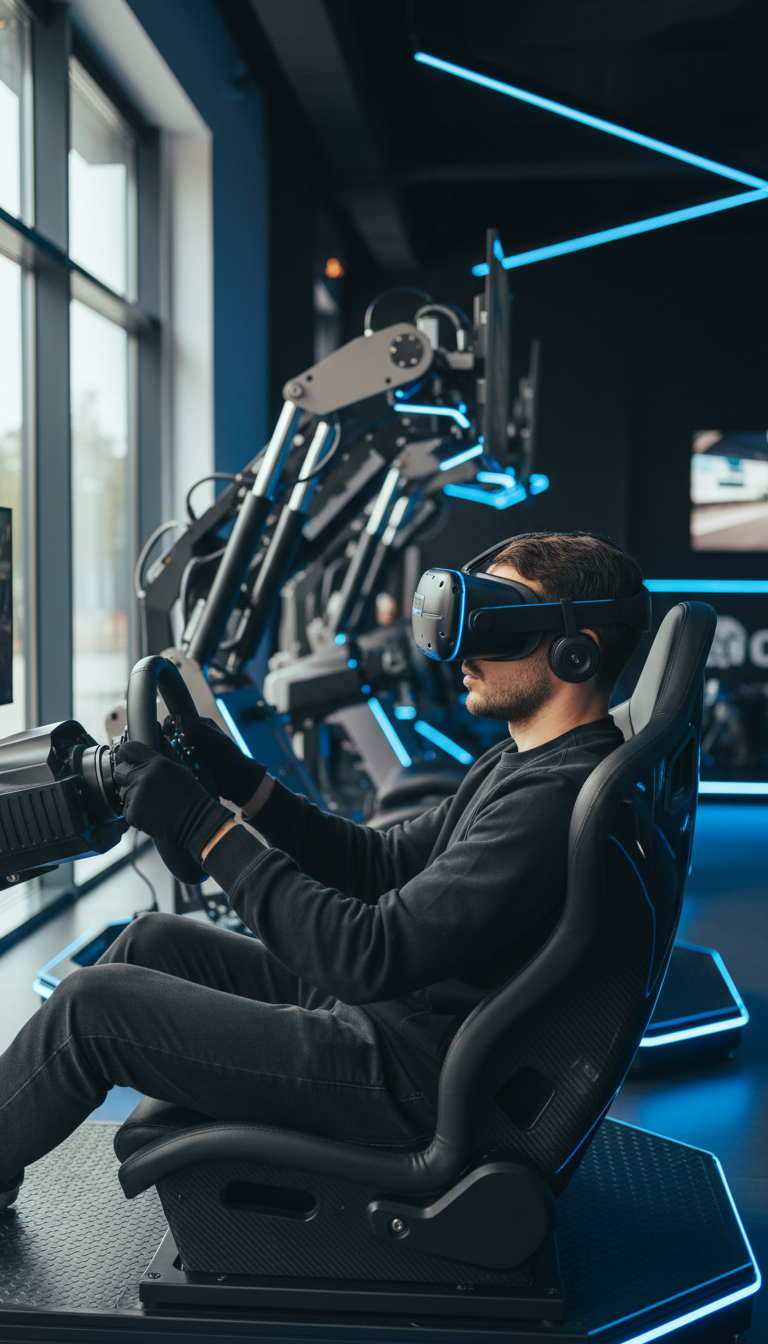
Myth 1: VR is Only for Gaming
One of the most common myths is that VR is exclusively for gaming. While it's true that VR offers an immersive experience for gamers, its applications extend far beyond. In the educational sector, VR is transforming how students learn by providing interactive and engaging experiences.
For instance, VR can take students on virtual field trips, allowing them to explore historical sites or dive deep into the ocean without leaving the classroom. This immersive learning experience can significantly enhance understanding and retention of information.
Myth 2: VR is Too Expensive
Another prevalent myth is that VR technology is prohibitively expensive. While there are high-end systems that come with a hefty price tag, the market offers a range of affordable options. Many VR headsets are now available at a fraction of the cost they once were, making them accessible to a wider audience.
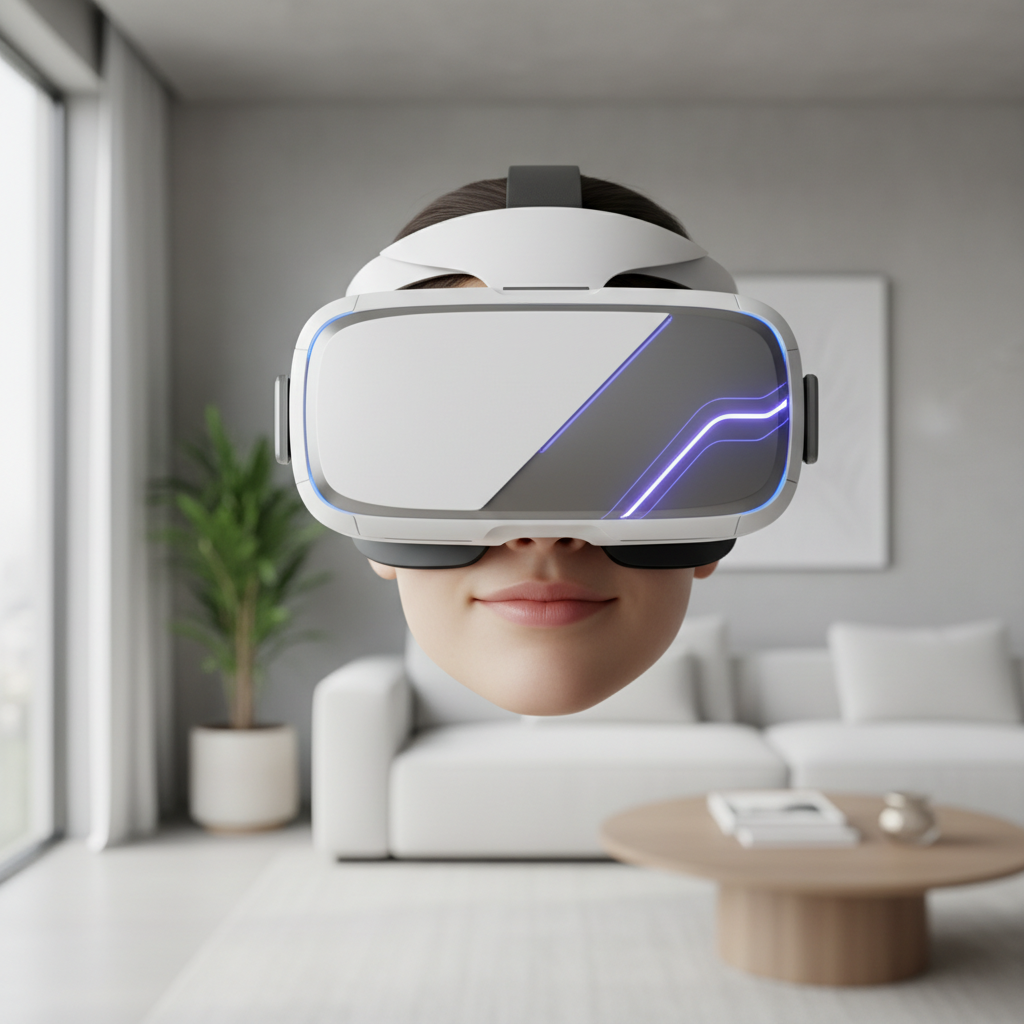
Moreover, educational institutions and gaming enthusiasts can benefit from VR applications and content that are either free or reasonably priced. This means that both sectors can integrate VR without breaking the bank.
Myth 3: VR is Isolating
Some people believe that using VR is a solitary activity that isolates individuals. However, VR technology is increasingly becoming a social platform. Multiplayer VR games and educational applications allow users to interact and collaborate in virtual environments, fostering a sense of community.
In education, VR can facilitate group projects and discussions, enabling students from different locations to work together in a shared virtual space. This collaborative aspect makes VR a powerful tool for both learning and social interaction.

Myth 4: VR Causes Motion Sickness
Motion sickness is another concern often associated with VR. While some users may experience discomfort, advancements in VR technology have significantly reduced such issues. Improved frame rates and optimized graphics contribute to smoother experiences, minimizing motion sickness.
It's also worth noting that acclimatization plays a role. As users spend more time with VR, they often become more comfortable, reducing the likelihood of experiencing discomfort.
The Future of VR
As VR technology continues to evolve, its applications in gaming and education will only expand. By addressing and debunking these common myths, we can embrace the true potential of VR and unlock new opportunities for immersive experiences in both sectors.