Back to School: Revolutionizing Education with VR-Powered Tools


Enhancing Learning Experiences
The integration of Virtual Reality (VR) into education is transforming how students engage with their studies. By immersing learners in interactive environments, VR-powered tools offer a dynamic approach to traditional educational methods. This technology is not just an addition to the classroom; it is revolutionizing the way education is delivered.
One of the most exciting aspects of VR in education is its ability to create *immersive learning experiences*. Students can explore ancient civilizations, conduct virtual science experiments, or dive into complex mathematical concepts, all from the comfort of their classroom. These experiences not only enhance understanding but also boost retention rates.
Boosting Student Engagement
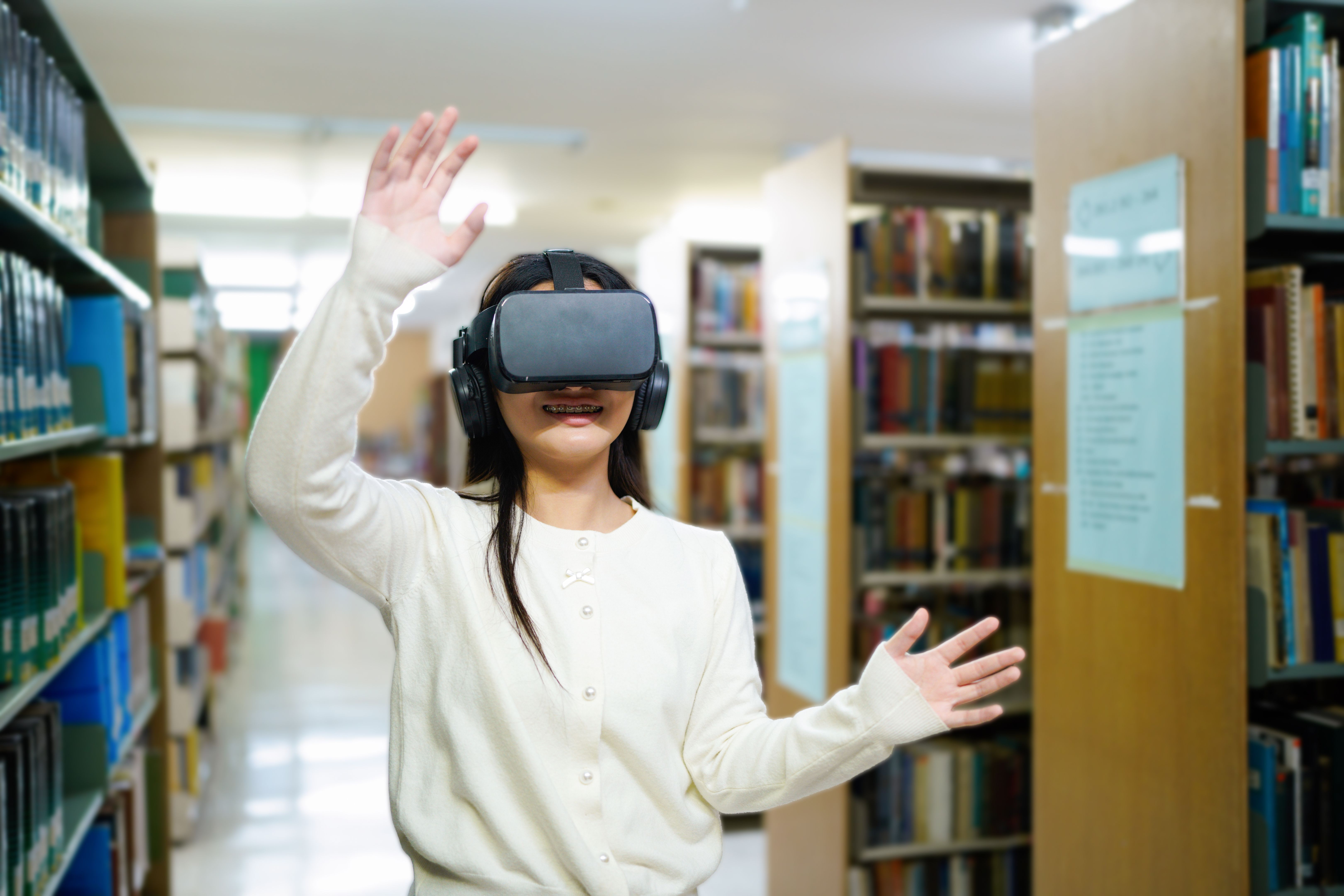
Student engagement is crucial for effective learning, and VR has proven to be a powerful tool in capturing students' attention. By providing a *hands-on learning environment*, VR encourages active participation. This active involvement leads to a deeper understanding of the subject matter, as students are more likely to remember what they've experienced rather than what they've read.
Furthermore, VR tools can be tailored to individual learning styles. Visual learners, for instance, benefit from the vivid graphics and animations, while kinesthetic learners can interact with simulations, making the learning process more inclusive and comprehensive.
Expanding Educational Horizons
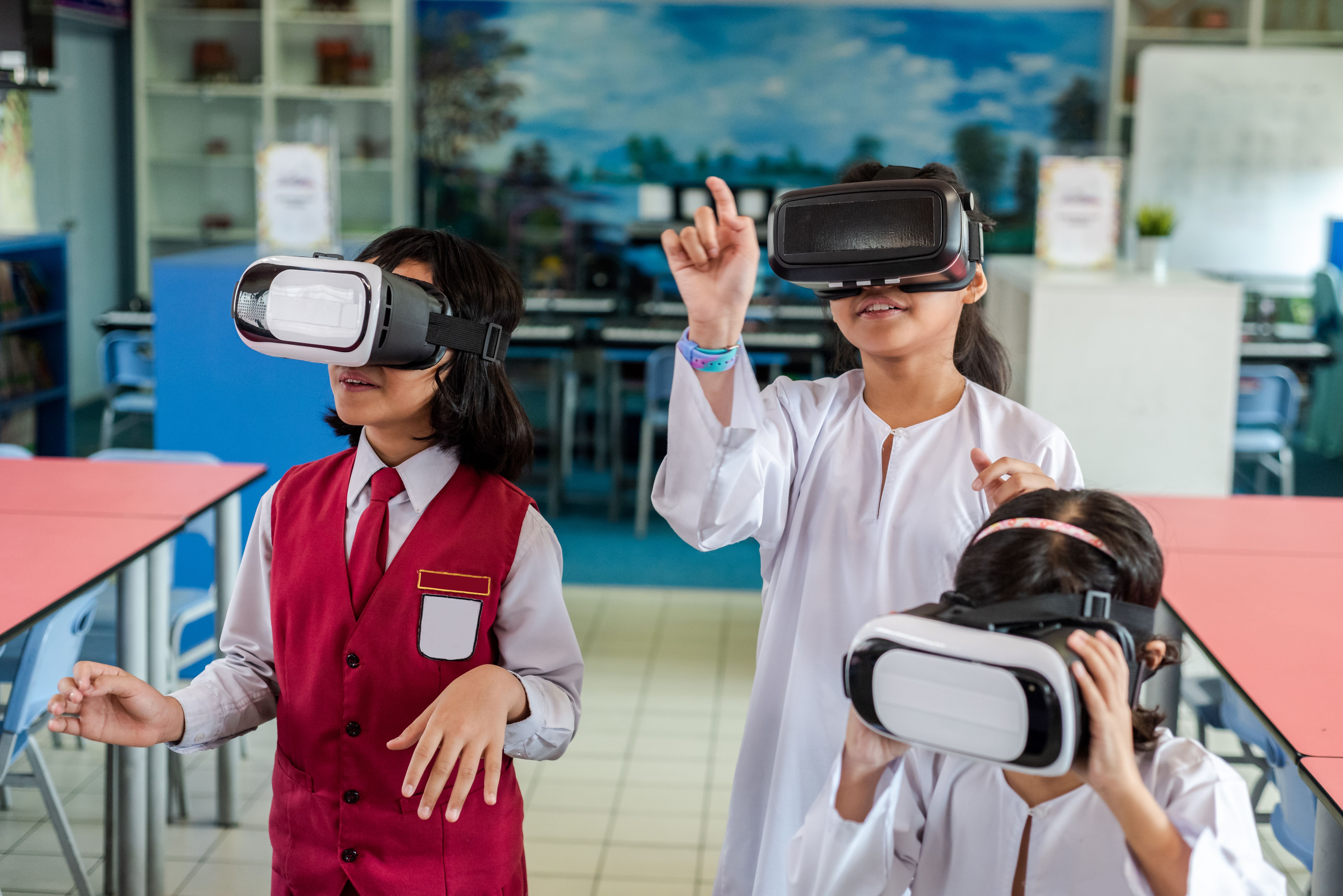
VR has the potential to break down geographical barriers, offering students access to experiences they might never have in the real world. For example, students can take virtual field trips to museums, historical sites, or even outer space, broadening their horizons without leaving the classroom. This *global accessibility* allows for a more diverse and enriched educational experience.
Additionally, VR can simulate real-world scenarios, providing students with valuable practical skills. Medical students, for instance, can perform virtual surgeries, while engineering students can assemble and test structures, all within a risk-free environment.

Challenges and Considerations
While the benefits of VR in education are numerous, there are challenges to consider. The cost of VR equipment and the need for technical support can be significant barriers for some schools. Ensuring that all students have equal access to these tools is essential to avoid widening the educational gap.
Moreover, educators must be adequately trained to integrate VR into their curriculum effectively. Professional development and ongoing support are vital to harness the full potential of VR in education.
The Future of VR in Education
The future of VR in education looks promising as technology continues to advance. As costs decrease and accessibility improves, more schools will likely adopt VR tools. This evolution is expected to lead to more personalized and effective educational experiences, preparing students for the challenges of the modern world.
Ultimately, VR-powered tools are set to play a significant role in shaping the future of education. By providing immersive, engaging, and accessible learning environments, VR is not just transforming education—it is revolutionizing it.