Back to School: How VR Educational Tools are Transforming Classrooms


The Rise of VR in Education
As the new school year begins, educators are increasingly turning to innovative technologies to enhance learning experiences. Among these, Virtual Reality (VR) educational tools are making a significant impact. By immersing students in interactive environments, VR is transforming traditional classrooms into dynamic learning spaces.
VR technology offers students the opportunity to explore and interact with subjects in ways that were previously unimaginable. Whether it's walking through ancient civilizations or exploring the human body, VR provides immersive experiences that enhance understanding and retention.
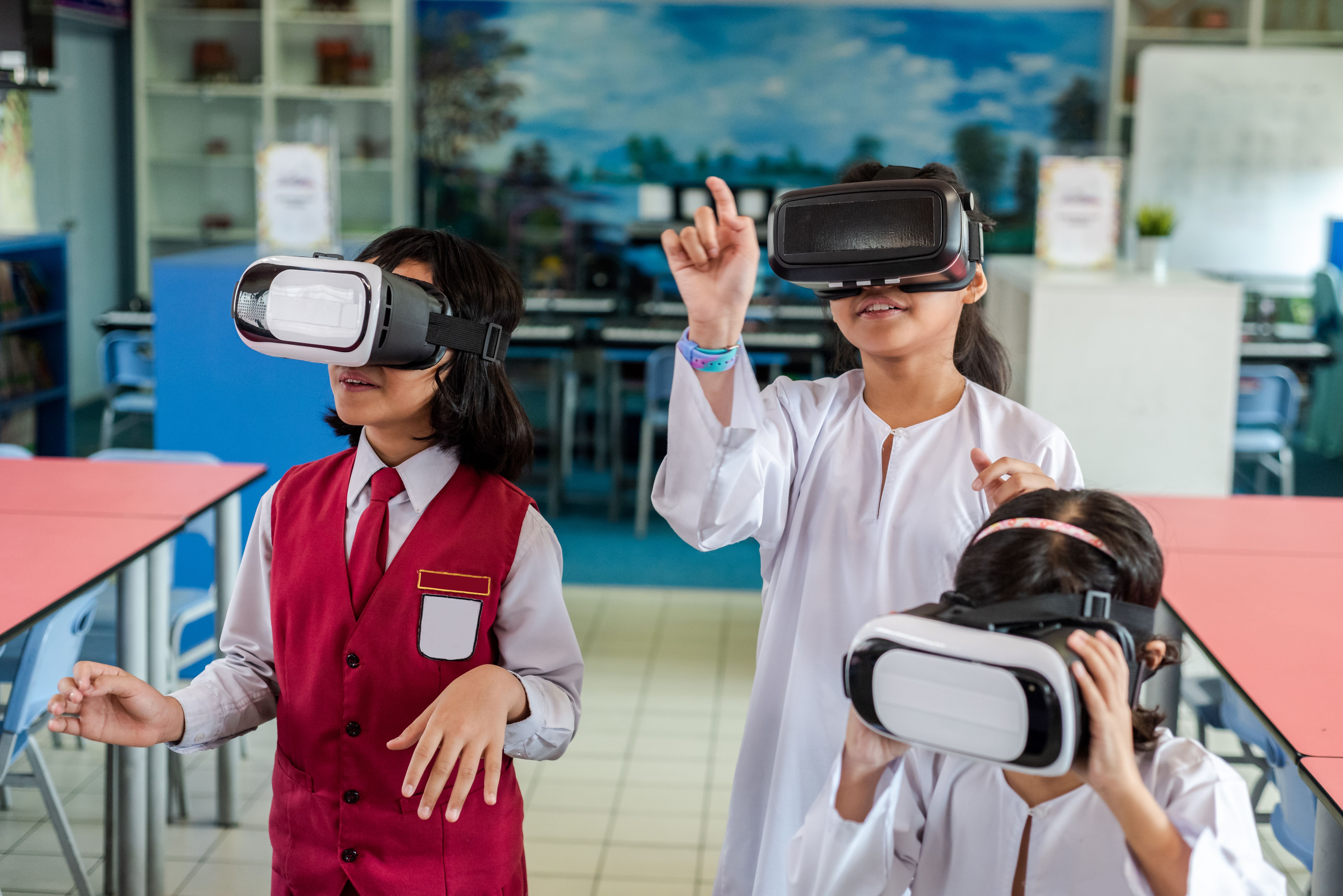
Engagement and Motivation
One of the most significant benefits of VR in education is its ability to increase student engagement and motivation. The immersive nature of VR captures students' attention and makes learning more enjoyable. This interactive approach encourages students to explore and discover new concepts actively.
Furthermore, VR can cater to different learning styles. Visual learners, for instance, can benefit from vivid 3D models, while kinesthetic learners can engage in hands-on activities within the virtual environment. This diversity in learning approaches ensures that every student can benefit from VR technology.
Overcoming Learning Barriers
VR is also helping to overcome traditional learning barriers. For students with disabilities, VR can provide customized learning experiences that are both accessible and engaging. By tailoring content to meet individual needs, VR ensures that all students have equal opportunities to succeed.
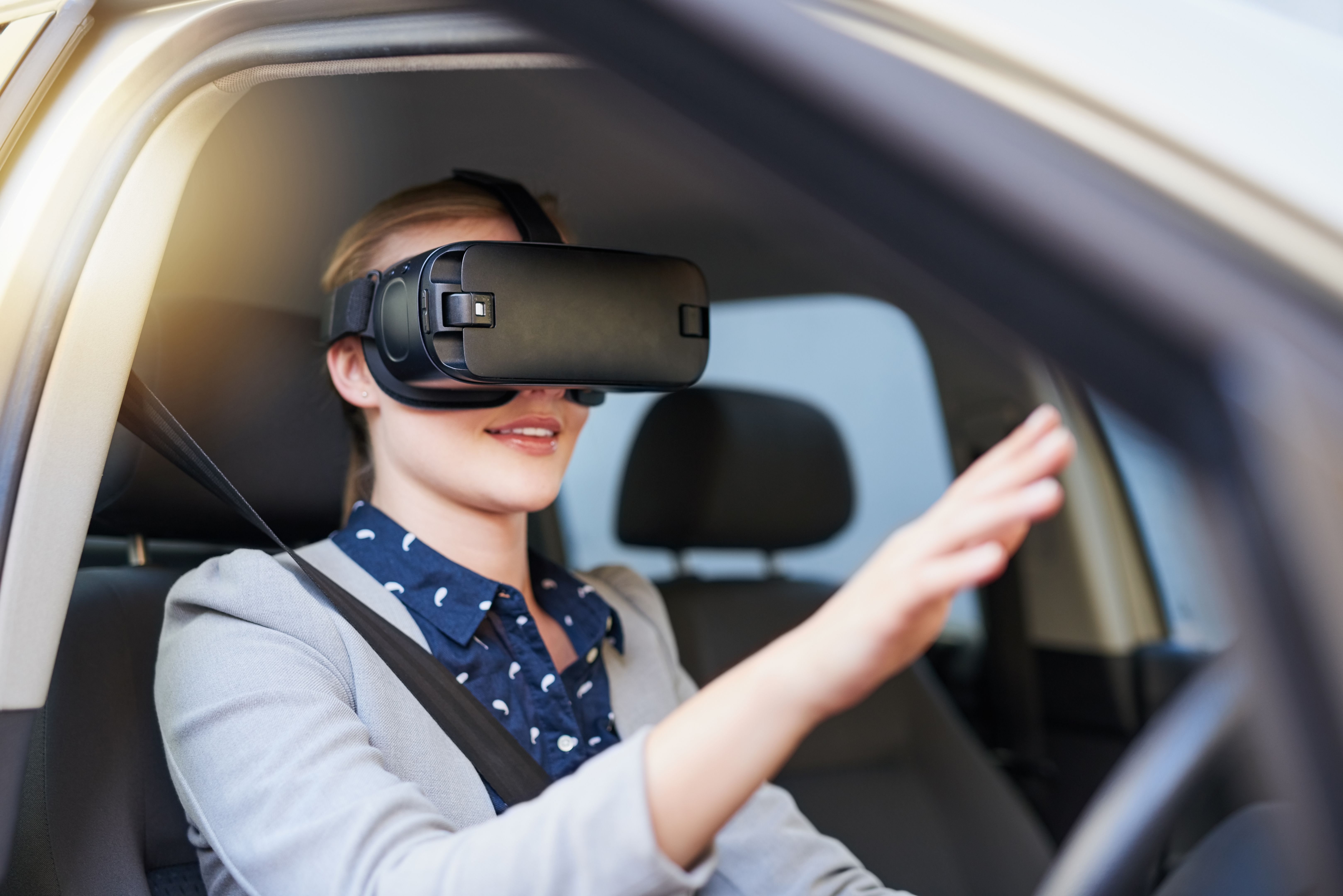
Moreover, VR can bridge geographical gaps, allowing students from remote areas to access high-quality educational experiences. By connecting students to a global classroom, VR fosters a sense of community and collaboration that transcends physical boundaries.
Subjects and Applications
VR is being applied across a range of subjects, each benefiting from its unique capabilities:
- Science: Students can conduct virtual experiments and explore complex concepts like never before.
- History: By visiting historical sites in VR, students can gain a deeper understanding of past events.
- Art: VR allows students to create and manipulate 3D art, expanding their creative horizons.
The Future of VR in Education
As VR technology continues to evolve, its potential in education is boundless. Developers are constantly creating new content that aligns with curriculum standards, ensuring that VR remains a valuable educational tool. Additionally, advancements in hardware are making VR more accessible and affordable for schools.
Ultimately, the integration of VR into classrooms is reshaping the educational landscape. By providing immersive, personalized, and interactive learning experiences, VR is not only preparing students for the future but also transforming the way education is delivered today.