AI Integration in Virtual Reality: Transforming the VR Experience


In recent years, the integration of Artificial Intelligence (AI) in Virtual Reality (VR) has revolutionized the way we interact with digital environments. The synergy between these two cutting-edge technologies is transforming the VR experience, making it more immersive, interactive, and personalized.
Enhancing Immersion
AI algorithms play a crucial role in enhancing the immersion of VR environments. By analyzing user behavior and preferences, AI can tailor the virtual world to better suit individual users. This means that the VR experience becomes not just more engaging, but also more relevant and personalized.
For instance, AI can dynamically adjust the visual and auditory elements of a VR experience based on real-time analysis. This adaptability ensures that users remain engrossed in their virtual surroundings, making the distinction between reality and the digital world increasingly seamless.
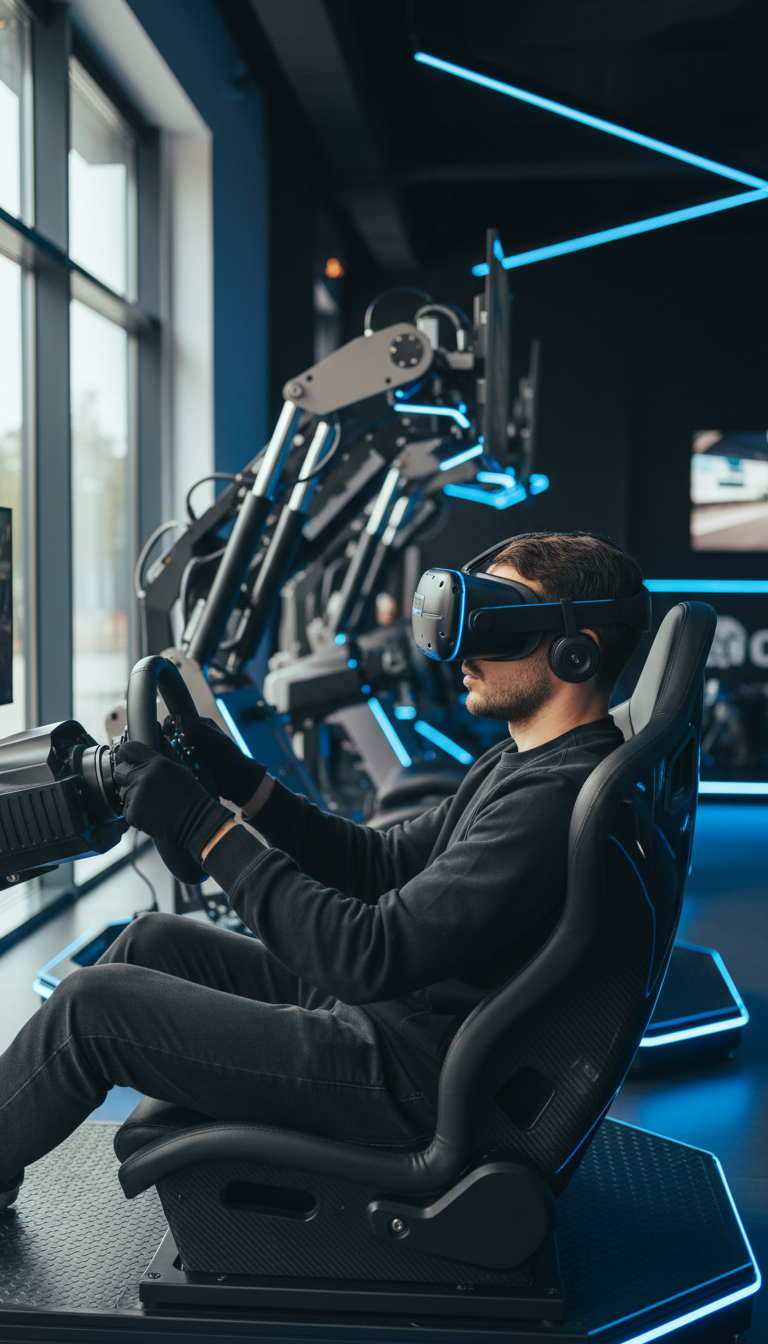
Real-Time Interaction
One of the most significant contributions of AI to VR is the enhancement of real-time interaction. AI-driven avatars and virtual characters can respond to user inputs and emotions in a more lifelike manner. These intelligent entities can recognize speech, interpret gestures, and even understand facial expressions, providing a more intuitive and realistic interaction.
This level of interactivity opens up new possibilities for gaming, training simulations, and social interactions within VR platforms. Users can now engage with characters that not only react but also learn and evolve, creating a dynamic and ever-changing environment.
Personalization and Adaptation
Personalization is at the heart of AI integration in VR. By leveraging machine learning algorithms, VR systems can offer experiences that adapt to the user's skills, preferences, and goals. This personalized approach ensures that each session is unique, encouraging users to engage with the platform more frequently and for longer durations.
For example, in educational VR applications, AI can assess a user's progress and adapt the content to match their learning pace. Similarly, in fitness apps, AI can modify routines to align with the user's fitness level, providing a tailored workout experience.
Improving Accessibility
AI is also instrumental in making VR more accessible to a wider audience. By incorporating natural language processing and voice recognition, AI enables users with disabilities to interact with VR environments using voice commands and other assistive technologies.
This inclusive approach not only broadens the potential user base but also ensures that VR technology is available to everyone, regardless of physical or cognitive limitations.

The Future of AI in VR
The future of AI integration in VR looks promising, with ongoing advancements set to further enhance the capabilities of both technologies. As AI continues to evolve, we can expect even more sophisticated and intuitive VR experiences, blurring the lines between the physical and digital worlds.
Innovations such as AI-driven content creation and predictive analytics are poised to redefine the VR landscape, offering users unprecedented levels of engagement and immersion.
In conclusion, the integration of AI in VR is not just transforming the VR experience; it is reshaping the way we interact with and perceive digital environments. As these technologies continue to converge, the possibilities for innovation and creativity are boundless, heralding a new era in virtual reality.