A Beginner's Guide to Choosing the Right VR System


Understanding Virtual Reality (VR)
Virtual Reality (VR) is transforming the way we experience digital content, offering immersive environments that make users feel as if they are part of the action. For beginners, choosing the right VR system can be overwhelming due to the numerous options available.

Define Your Purpose
Before investing in a VR system, it's crucial to define what you intend to use it for. Are you interested in gaming, educational purposes, or professional training? Different systems cater to different needs, so understanding your primary use can narrow down your options.
Gaming
If gaming is your primary interest, look for VR systems that offer a wide range of compatible games and robust performance. Systems like the Oculus Quest and PlayStation VR are popular among gamers for their vast game libraries and interactive experiences.
Education and Training
For educational or professional training purposes, consider systems that provide realistic simulations and detailed environments. These systems often come with specialized software that supports learning and skill development.

Consider Your Budget
VR systems vary significantly in price, from affordable options to high-end setups. Establishing a budget is essential to prevent overspending while ensuring you get the features you need. Entry-level VR systems are great for beginners, while more expensive options offer advanced capabilities.
Check Compatibility and Requirements
Ensure that the VR system you choose is compatible with your existing hardware. Some systems require powerful PCs, while others work independently. Check the system requirements to avoid additional costs on hardware upgrades.
Standalone vs. Tethered Systems
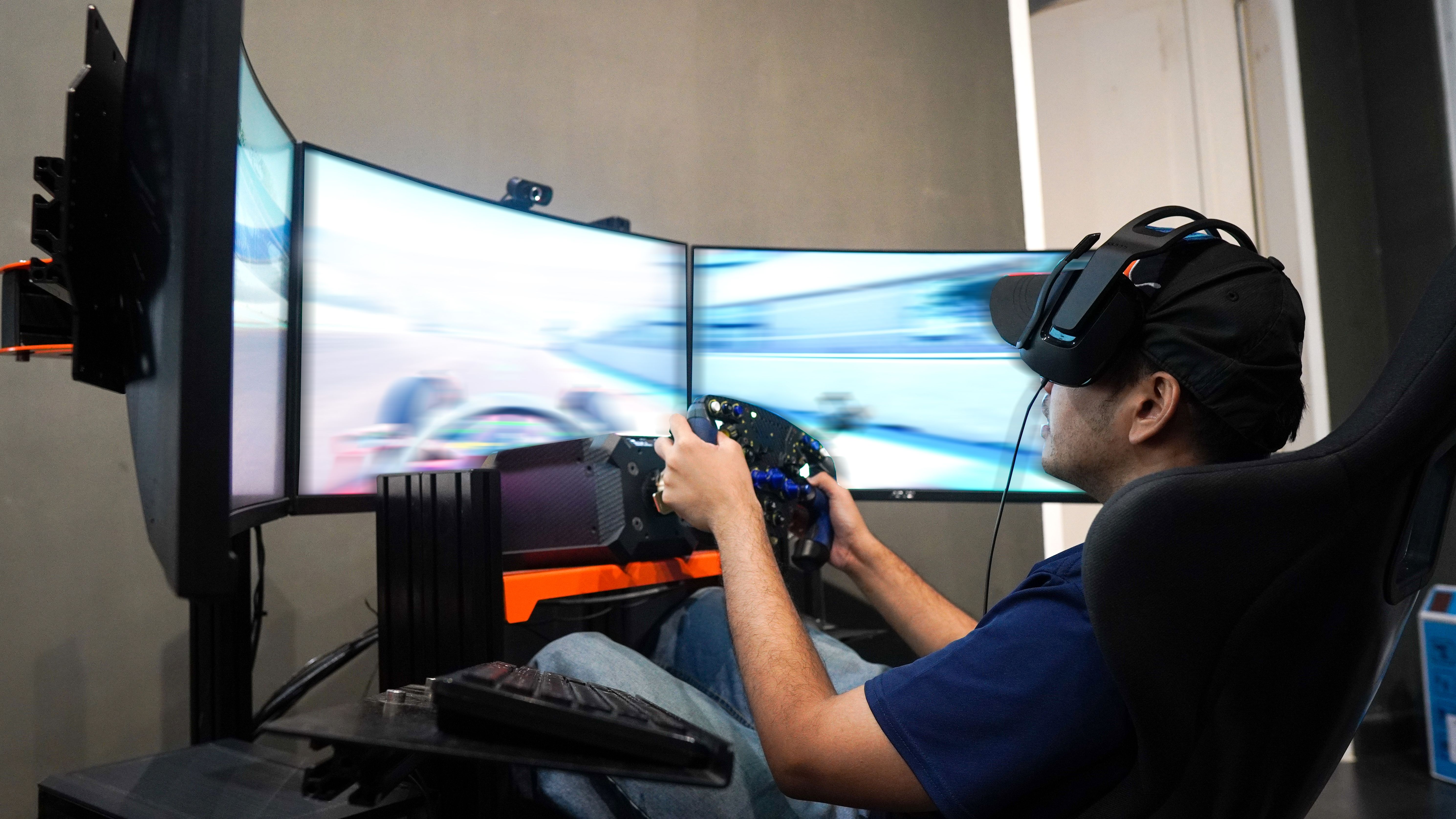
Standalone VR systems operate independently without the need for a PC or console, offering convenience and portability. Tethered systems, on the other hand, connect to a computer or console, providing higher performance and better graphics.
Explore the Features
Different VR systems come with varying features, such as motion tracking, room-scale VR, and hand controllers. Consider which features are necessary for your intended use. Motion tracking, for example, enhances the immersive experience by allowing you to move freely within a virtual space.
Read Reviews and Recommendations
Before making a final decision, read reviews and recommendations from trusted sources or users. This research can provide insights into the performance, reliability, and user experience of different VR systems, helping you make an informed choice.
By considering these factors, you can select a VR system that aligns with your interests and requirements, ensuring a satisfying and immersive virtual experience.